Analisi esperta di Saint Thomas di Diego Velazquez
Stile: Baroque · Genere: religious painting
Expert Analysis of Diego Velázquez’s “Saint Thomas”
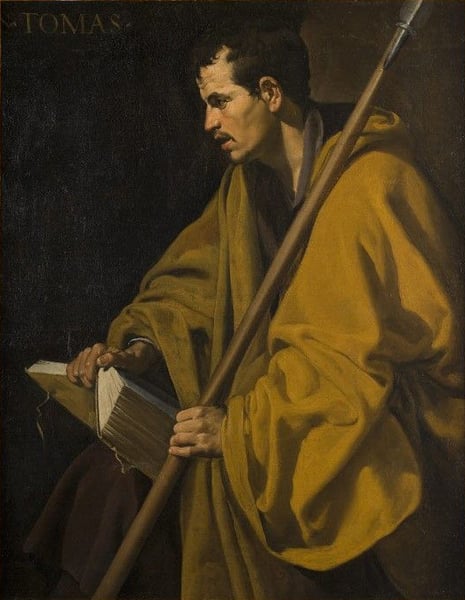
Diego Velázquez’s Saint Thomas is a quintessential example of Spanish Baroque religious painting, distinguished by the artist’s revolutionary naturalism and restrained yet powerful emotional intensity. Executed during his early Seville period, the work marks a crucial step in Velázquez’s development of tenebrist chiaroscuro, a hallmark of the Baroque style that he absorbed through the influence of Caravaggio and taught through direct observation.
The painting’s significance lies in its radical departure from idealized religious iconography. Velázquez presents Saint Thomas not as a remote, ethereal figure, but as a strikingly human and contemplative presence. The apostle is shown in half-length, his face emerging from a deep, shadowed background. The dramatic side lighting (tenebrism) carves his features with sculptural clarity, emphasizing the furrows of his brow, the weight of his gaze, and the rough texture of his unglamorous cloak. This focus on humble, tangible reality was a core tenet of Spanish Baroque piety, seeking to make divine figures accessible and relatable to the viewer.
Moreover, the work exemplifies Velázquez’s mastery of bodegón-like detail: the saint’s hands, the subtle folds of his garment, and the subdued palette of browns and grays are rendered with an almost tactile precision. Unlike the more theatrical gesturing of Italian Baroque, Velázquez achieves emotional resonance through stillness and psychological depth. Saint Thomas appears lost in doubt—a theme appropriate to his apostolic identity—yet his expression hints at the dawning certainty of faith.
Within the Baroque period, this painting is significant for merging Caravaggesque chiaroscuro with a uniquely Spanish sobriety and humanism. It demonstrates Velázquez’s early ability to transform a conventional religious subject into a compelling study of character and light, foreshadowing the mature genius of his later court portraits and monumental histories. Saint Thomas remains a testament to how Baroque art could find the sacred in the frank depiction of ordinary humanity.
Museum / Gallery
Visivamente simili
20 opere con composizione e palette affini
St. Thomas
Jusepe de Ribera
St. James the Greater
Alonzo Cano
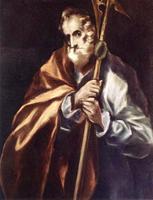
Apostle St. Thaddeus (Jude)
El Greco
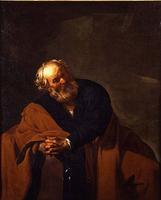
Saint Peter
Dirck van Baburen
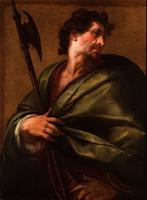
Saint Matthew
Giulio Cesare Procaccini
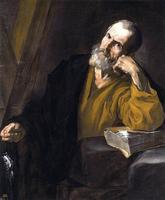
St. Andrew
Jusepe de Ribera
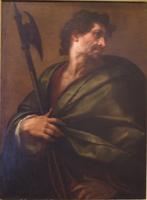
Saint Matthew the Apostle
Giulio Cesare Procaccini
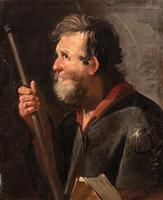
Saint James the Greater
Dirck van Baburen
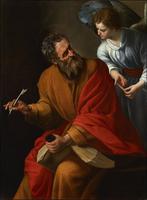
St. Matthew and the angel
Juan Bautista Maíno
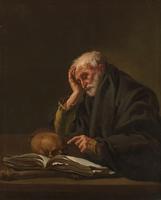
Saint Jerome
Hendrick Terbrugghen
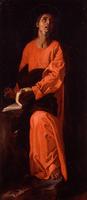
San Juan Evangelista
Francesco Ribalta
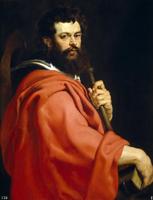
St. James the Apostle
Peter Paul Rubens
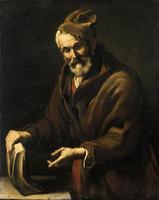
Portrait of a Philosopher
Salvator Rosa
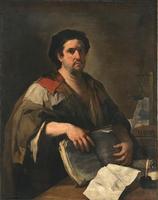
Cynic philosopher
Luca Giordano
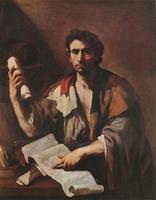
Cynic philosopher
Luca Giordano
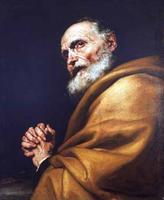
St. Peter
Jusepe de Ribera
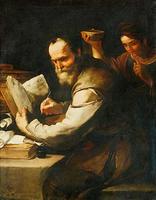
Xanthippe
Luca Giordano
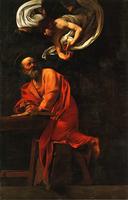
Inspiration of Saint Matthew
Caravaggio
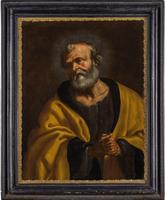
Penitent Saint Peter
Dirck van Baburen
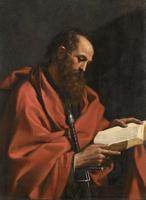
Saint Paul
Guercino