
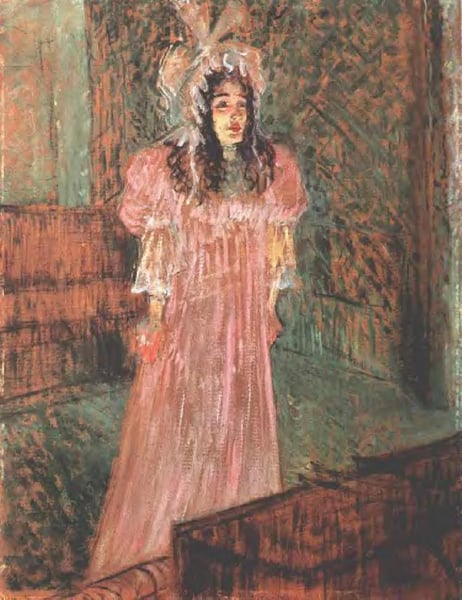
Análisis experto de Miss May Belfort de Henri de Toulouse-Lautrec
Estilo: Post-Impressionism · Género: portrait
Expert Analysis of "Miss May Belfort" by Henri de Toulouse-Lautrec
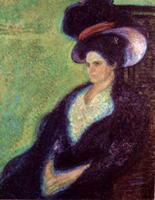
As a Post-Impressionist portrait, "Miss May Belfort" exemplifies Toulouse-Lautrec’s radical departure from naturalistic representation toward a more expressive, psychologically charged portrayal of his subject. The work is significant within the Post-Impressionist movement for several reasons:
First, Toulouse-Lautrec distills the sitter’s identity through bold, flattened planes of color and sharp, calligraphic outlines—techniques that reject Impressionist optical fidelity in favor of subjective emotional truth. Miss Belfort, a cabaret performer known for her childlike persona and unconventional stage presence, is captured here with a sense of theatricality that reflects the artist’s deep engagement with Montmartre’s nightlife. The portrait’s simplified forms and asymmetric composition emphasize her performative nature, making the work a key example of how Post-Impressionists used distortion and abstraction to reveal inner character rather than external likeness.
Second, the painting bridges Toulouse-Lautrec’s graphic poster work and his fine art portraiture. The flat areas of color and strong contours anticipate Art Nouveau while remaining rooted in the Post-Impressionist fascination with symbolic meaning. This hybrid style helped to define the movement’s contribution to modern portraiture—transforming the genre from a mere record of appearance into a vehicle for exploring mood, identity, and social context.
Finally, the work’s significance lies in its candid yet empathetic view of a marginalized performer. Toulouse-Lautrec’s portrait does not sentimentalize Miss Belfort; instead, it presents her with a directness that challenges conventional representations of women in art, aligning with Post-Impressionism’s broader aim to capture authentic, often raw, human experience. In this way, "Miss May Belfort" stands as a seminal example of how the style elevated the portrait genre to a medium of psychological and social commentary.
Museum / Gallery
Visualmente similares
20 obras con composición y paleta relacionadas
Portrait of Miss May Belfort
Henri de Toulouse-Lautrec
Violet Sargent
John Singer Sargent
Portrait of Margarita Morozova
Valentin Serov
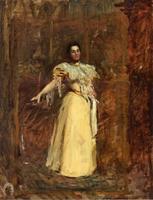
Painting
Thomas Eakins
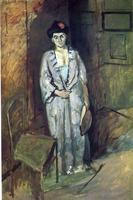
The Japanese Lady
Henri Matisse
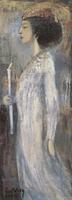
Woman with Candle
Lajos Gulacsy
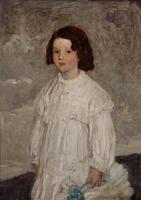
Portrait of Rose Levy
Ethel Carrick
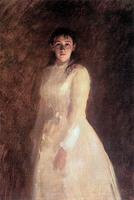
Portrait of a Woman
Ivan Kramskoy
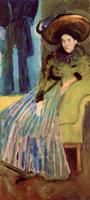
Seated Woman in green dress
Richard Gerstl
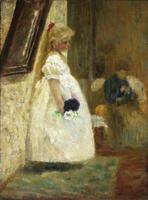
Birthday of the Grandmother
Olga Boznańska
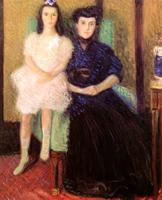
Mother and Daughter
Richard Gerstl
Czóbel Béla Girl in Pink 1974
Bela Czobel
Bettina Bauer
Max Kurzweil
Portrait of E.A. Krasilschikova
Valentin Serov
The Fey Sisters (Karoline & Pauline)
Richard Gerstl
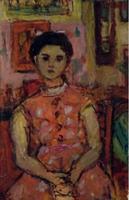
Bela Czobel, Young Girl
Bela Czobel
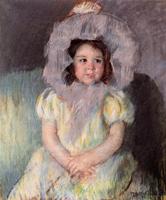
Margot in White
Mary Cassatt
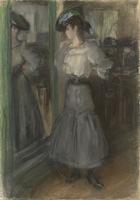
Girl in Front of a Mirror
Isaac Israels
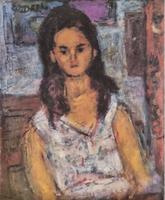
White Blouse
Bela Czobel
Woman with Feathered Hat
Richard Gerstl