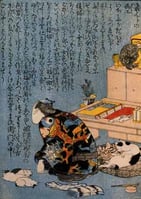
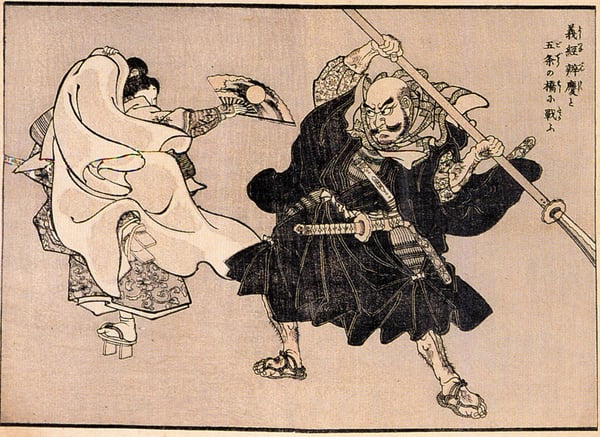
Heroes of china and Japan
Expert analysis of Utagawa Kuniyoshi’s Heroes of china and Japan
Style: Ukiyo-e · Genre: mythological painting
Expert Analysis: "Heroes of China and Japan" by Utagawa Kuniyoshi
Utagawa Kuniyoshi’s Heroes of China and Japan stands as a landmark of the Ukiyo-e tradition, particularly within the mythological painting genre. What makes this work significant is its ambitious synthesis of two distinct but interconnected cultural heroic traditions, rendered through Kuniyoshi’s signature dynamism and intricate detail.
Significance within the Ukiyo-e Style:
Kuniyoshi was a master of musha-e (warrior prints), and this piece exemplifies how he pushed Ukiyo-e beyond mere depictions of courtesans and actors into epic, narrative-driven imagery. His composition is characteristically bold—figures are often caught in dramatic, contorted poses that convey raw energy and tension. The use of vivid color blocks (a hallmark of nishiki-e woodblock printing) and meticulous linework—especially in armor, musculature, and flowing garments—demonstrates technical virtuosity. Kuniyoshi was also known for incorporating yōkai (supernatural creatures) and symbolic motifs, blending historical fact with mythological flourish.
Significance within the Mythological Genre:
This work is a cross-cultural compendium of legendary valor. By pairing heroes from China (such as figures from Water Margin or historical military sages) with those from Japan (like Minamoto no Yoshitsune or Kintarō), Kuniyoshi creates a visual dialogue between two great storytelling traditions. In the competitive Edo-period print market, such a fusion was a clever commercial and artistic strategy, appealing to audiences fascinated by Chinese classics while reinforcing native Japanese pride. The mythological framing allows Kuniyoshi to transcend strict historical accuracy, instead focusing on the timeless archetype of the hero—defying gods, demons, or overwhelming odds.
Overall Significance:
Heroes of China and Japan is important as a synthesis of cultural narratives and as a tour de force of ukiyo-e printmaking. Kuniyoshi’s ability to pack multiple figures into a cohesive, explosive composition, while maintaining individual characterization, influenced later artists (including European Japonism painters). The work remains a testament to how Ukiyo-e could elevate popular mythology into a sophisticated, visually thrilling art form.
Visually similar
20 works with related composition and palette
Eight Hundred Heroes of Our Country
Utagawa Kuniyoshi
The actor
Utagawa Kuniyoshi
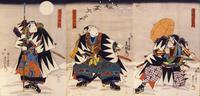
Kanadehon Chūshingura
Utagawa Kunisada
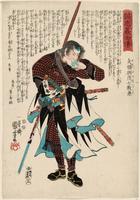
Yatô Yomoshichi Norikane
Utagawa Kuniyoshi
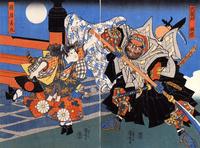
Uchiwakamaru fighting Benkei on Gojo bridge
Utagawa Kuniyoshi
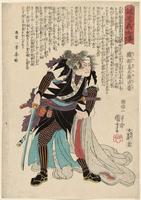
Oribe Yasubei Taketsune
Utagawa Kuniyoshi
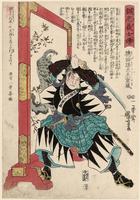
Tokuda Magodayû Shigemori
Utagawa Kuniyoshi
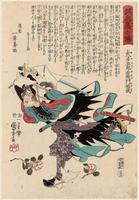
Yata Gorôemon Suketake
Utagawa Kuniyoshi
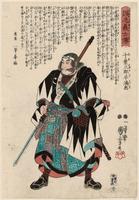
Chiba Saburôhei Mitsutada
Utagawa Kuniyoshi
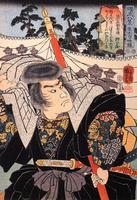
Vesper bell at Todaiji
Utagawa Kuniyoshi
Samurai and the conquered
Utagawa Kuniyoshi
Shikamatsu Kanroku Yukishige
Utagawa Kuniyoshi
Kurahashi Zensuke Takeyuki
Utagawa Kuniyoshi
Ushioda Masanojô Takanori
Utagawa Kuniyoshi
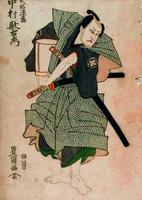
Utaemon Nakamura III as Genzō Takebe by Toyokuni Utagawa I
Utagawa Toyokuni
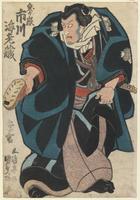
The Actor in the Ichikawa Family
Utagawa Kunisada
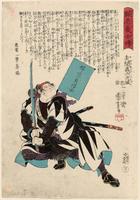
Yazama Shinroku Mitsukaze
Utagawa Kuniyoshi
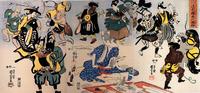
Otsu-e Paintings Coming Alive Triptych
Utagawa Kuniyoshi
Kabuki Actor Ichikawa Ebizō I as Gongorō Kagemasa
Tōshūsai Sharaku
Actors
Utagawa Kuniyoshi