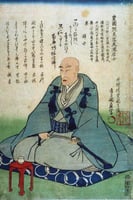
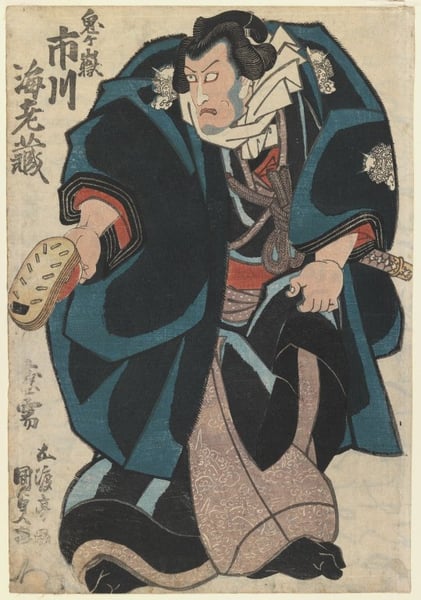
Utagawa Kunisada sanatçısının The Actor in the Ichikawa Family eseri hakkında uzman analizi
Tarz: Ukiyo-e · Tür: yakusha-e
Expert Analysis: "The Actor in the Ichikawa Family" by Utagawa Kunisada
This print, a quintessential example of the ukiyo-e genre yakusha-e (actor prints), embodies the dynamic intersection of kabuki theater and woodblock art during the late Edo period. Utagawa Kunisada (1786–1865) was the most prolific and commercially successful designer of actor portraits in his era, and this work highlights his mastery in capturing the theatrical charisma and lineage of the prestigious Ichikawa family—one of kabuki's most storied acting dynasties.
Significance Within Ukiyo-e and Yakusha-e
-
Celebration of Lineage and Performance
The portrayal of an Ichikawa actor is not merely a likeness; it is a visual embodiment of the family's performance traditions, which often specialized in aragoto (rough-style) roles—heroic, bombastic characters clad in elaborate armor and bold makeup. Kunisada’s composition likely emphasizes the actor’s iconic pose, costume details (such as the distinctive kumadori makeup patterns), and the intense facial expression typical of a climactic mie (dramatic stance). This print functions as both a portrait and a souvenir, connecting kabuki fans to their favorite performers. -
Technical Virtuosity in Color and Line
Kunisada was renowned for his vivid color palettes, achieved through advanced multicolor woodblock printing (nishiki-e). Here, the rich indigos, crimsons, and golds not only heighten the theatricality but also demonstrate the publisher’s investment in high-quality production. The intricate linework—especially in the actor’s flowing robes with interlocking family crests and seasonal patterns—showcases Kunisada’s skill in rendering luxurious textures (silk, brocade, armor) while maintaining the flat, decorative surface effect prized in ukiyo-e. -
Influence and Popularity in the Late Edo Period
By the 1820s–1860s, Kunisada dominated the yakusha-e market, overshadowing contemporaries like Hiroshige in print sales. This work reflects the period’s shift from earlier, more restrained actor prints (by Sharaku, for instance) toward a more flamboyant, idealized style that appealed to mass audiences. Kunisada’s ability to blend realistic facial features (often based on actor portraits) with stylized, almost calligraphic energy made his prints essential for documenting kabuki’s golden age. -
Cultural Resonance
The Ichikawa family name itself carries historical weight: its founder, Ichikawa Danjūrō I, pioneered aragoto in the 17th century. By depicting a member of this lineage, Kunisada reinforces the continuity of kabuki tradition and the ritualized fierceness that defined Edo-period masculinity. The print thus serves as a marker of social identity—owning such imagery was a way for urban commoners to participate in the glamour of the theater world.
Conclusion
“The Actor in the Ichikawa Family” is significant not only as a demonstration of Kunisada’s technical finesse but as a cultural artifact that crystallizes the symbiotic relationship between ukiyo-e and kabuki. It captures the star power of the Ichikawa actors, the dynamism of Edo-period popular culture, and the enduring appeal of actor prints as both art and memorabilia.
Museum / Gallery
Görsel olarak benzer
İlişkili kompozisyon ve renk paletine sahip 20 eser
Kagamiiwa Hamanosuke, sumo wrestler
Utagawa Kunisada
Ohnomatsu Midorinosuke
Utagawa Kunisada
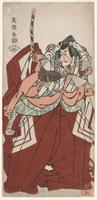
Kabuki Actor Ichikawa Ebizō I as Gongorō Kagemasa
Tōshūsai Sharaku
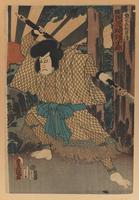
The Kabuki Actor Kawaharazaki Gonjuro as Kagekiyo
Utagawa Kunisada
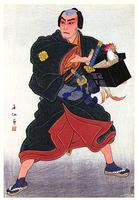
Ichikawa Sadanji as Sukune Taro
Natori Shunsen
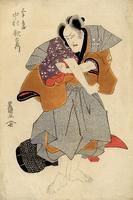
Nakamura Utaemon
Utagawa Toyokuni
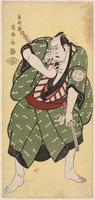
Ōtani Hiroji III as Tosa no Matabei
Tōshūsai Sharaku
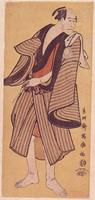
Kabuki Actor Ichikawa Ebizō I as Ranmyaku No Kichi
Tōshūsai Sharaku
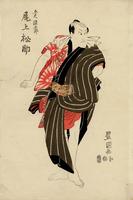
Kabuki actor Eisaburō Onoe I (Kikugorō Onoe III)
Utagawa Toyokuni
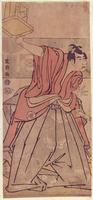
Kabuki Actor Bandō Mitsugorō II as Soga Gorō Tokimune
Tōshūsai Sharaku
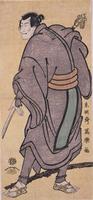
Kabuki Actor Ichikawa Komazō II as Minase Rokurō Munezumi in a Kamishimo
Tōshūsai Sharaku
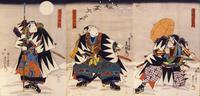
Kanadehon Chūshingura
Utagawa Kunisada
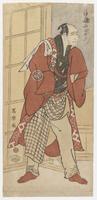
Daizo the Substitute
Tōshūsai Sharaku
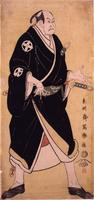
Kabuki Actor Tanimura Torazō I as Kataoka Kōemon
Tōshūsai Sharaku
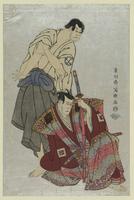
Kabuki Actors Ichikawa Yaozō III as Fuwa No Banzaemon and Sakata Hangorō III as Kosodate No Kannonbō
Tōshūsai Sharaku
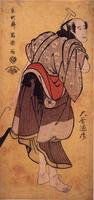
Kabuki Actor Ōtani Tokuji as Monogusa Tarō
Tōshūsai Sharaku
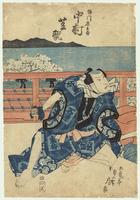
Surprised Man on a Verandah
Utagawa Sadatora
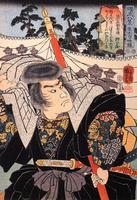
Vesper bell at Todaiji
Utagawa Kuniyoshi
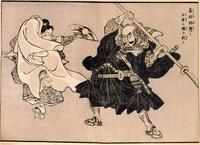
Heroes of china and Japan
Utagawa Kuniyoshi
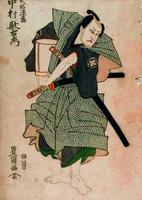
Utaemon Nakamura III as Genzō Takebe by Toyokuni Utagawa I
Utagawa Toyokuni