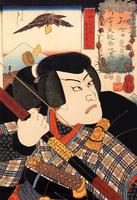
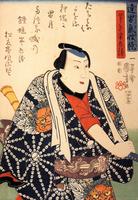
The actor
Expertenanalyse zu Utagawa Kuniyoshis The actor
Stil: Ukiyo-e · Genre: portrait
As an expert art historian, I will analyze "The Actor" by Utagawa Kuniyoshi solely based on the provided structured facts: it is an Ukiyo-e style portrait.
Analysis of "The Actor" by Utagawa Kuniyoshi
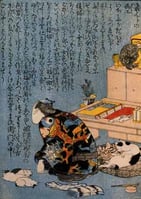
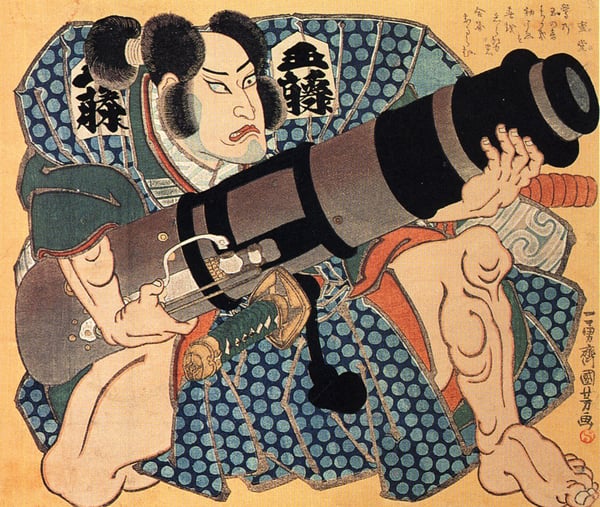
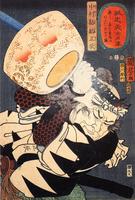
This work is a quintessential example of yakusha-e, the actor portrait genre within Ukiyo-e, and it reveals the profound significance of Kuniyoshi’s contribution to the tradition. As a portrait, it does not aim for literal realism; instead, it captures the kurai (essential quality) of a kabuki performer, likely in a moment of heightened dramatic tension (mie).
What makes this artwork significant within its style and period:
-
Dynamic Expression within a Static Genre: Ukiyo-e actor portraits often prioritized the actor’s likeness and the specific role. Kuniyoshi, however, was a master of infusing these portraits with kinetic energy. Even in a fixed image, the twisting posture, exaggerated facial features (notably the wide, staring eyes and grimacing mouth), and the sweeping lines of the costume convey a split-second of theatrical power. This reflects Kuniyoshi’s innovation in pushing beyond standard portraiture into a more visceral, action-oriented representation—a hallmark of his mature style.
-
Line and Pattern as Theatrical Language: The work exemplifies the Ukiyo-e principle of bokashi (gradation) and the bold, flowing nagare (curving lines) that define the actor’s silhouette. The intricate patterns on the kimono are not mere decoration; they are a visual cue to the character’s social status or supernatural nature, common in kabuki. Kuniyoshi’s use of heavy, calligraphic outlines for the actor’s face against the more decorative patterns of the costume creates a powerful contrast between human intensity and theatrical artifice.
-
Context within Kuniyoshi’s Oeuvre: While Kuniyoshi is perhaps best known for his innovative warrior prints (musha-e) and triptychs, his actor portraits are significant for their ability to synthesize Western perspective and anatomical dynamism with traditional Japanese woodblock techniques. In "The Actor," this synthesis is evident in the slight foreshortening of the hands and the way the costume seems to twist in three-dimensional space, a departure from the flatter, more iconic actor prints of earlier masters like Sharaku. This made Kuniyoshi’s portraits feel alive and contemporary to Edo-period audiences.
-
Significance as a Portrait: The portrait genre in Ukiyo-e was instrumental in constructing the celebrity culture of the Kabuki theater. This print does not just depict a person; it immortalizes a performance. The actor’s identity is subsumed into the role, and the print becomes a memento of a specific theatrical moment. Kuniyoshi’s skill in capturing the psychological intensity of that moment—the coiled tension before a climactic action—elevates this portrait from a simple caricature to a compelling study of performative identity.
In summary, "The Actor" by Utagawa Kuniyoshi is significant for its energetic departure from static conventions, its masterful use of line and pattern to convey theatrical power, and its embodiment of the late-Edo period’s evolving visual language—one that valued dynamism, individual character, and the fusion of tradition with innovation within the Ukiyo-e portrait genre.
Visuell ähnlich
20 Werke mit ähnlicher Komposition und Farbpalette
Vesper bell at Todaiji
Utagawa Kuniyoshi
Nozarashi Gosuke carrying a long sword
Utagawa Kuniyoshi
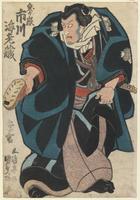
The Actor in the Ichikawa Family
Utagawa Kunisada
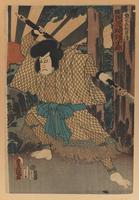
The Kabuki Actor Kawaharazaki Gonjuro as Kagekiyo
Utagawa Kunisada
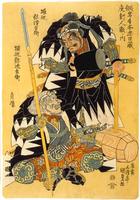
Father and Son Members of the Forty Seven Rônin from Chûshingura
Utagawa Kunisada
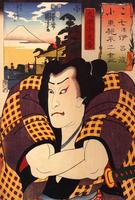
The actor
Utagawa Kuniyoshi
The actor
Utagawa Kuniyoshi
Tominomori
Utagawa Kuniyoshi
Kabuki Actors Ichikawa Yaozō III as Fuwa No Banzaemon and Sakata Hangorō III as Kosodate No Kannonbō
Tōshūsai Sharaku
Eight Hundred Heroes of Our Country
Utagawa Kuniyoshi
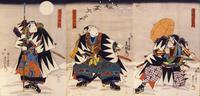
Kanadehon Chūshingura
Utagawa Kunisada
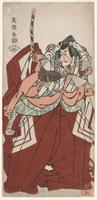
Kabuki Actor Ichikawa Ebizō I as Gongorō Kagemasa
Tōshūsai Sharaku
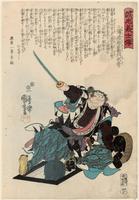
Miura Jirôemon Kanetsune
Utagawa Kuniyoshi
The actor
Utagawa Kuniyoshi
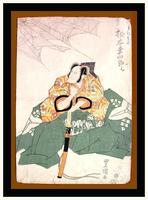
Matsumoto Kōshirō V
Utagawa Toyokuni
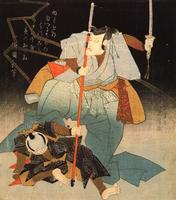
Samurai and the conquered
Utagawa Kuniyoshi
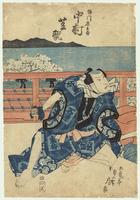
Surprised Man on a Verandah
Utagawa Sadatora
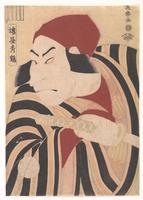
Nakamura Nakazo II as Prince Koretaka Disguised in the Play Ōshukubai Koi no Hatsune
Tōshūsai Sharaku
Nakamura
Utagawa Kuniyoshi
Beauty, Ghost and Hero
Toyohara Chikanobu