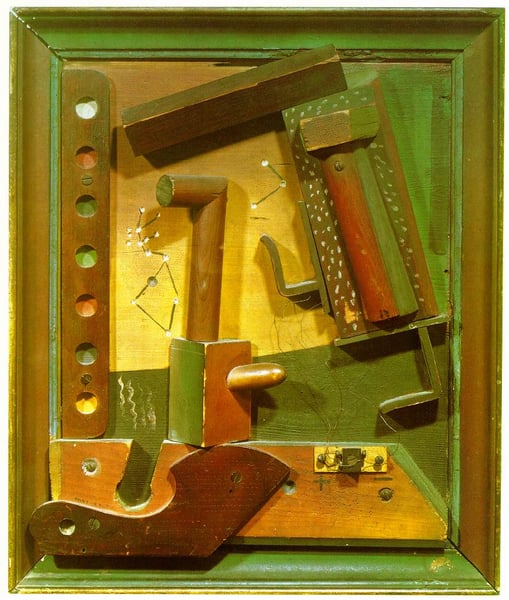
Expert Analysis of Fruit of a Long Experience by Max Ernst
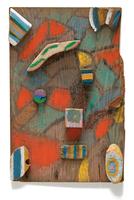
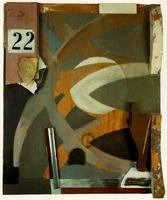
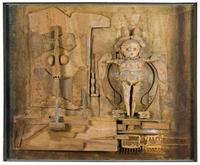
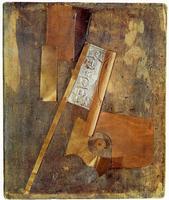
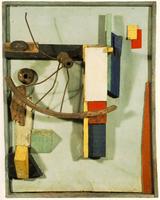
This early abstract work by Max Ernst is significant as a pivotal example of Surrealism’s move away from representational imagery toward pure, subconscious form. Created during Ernst’s formative period, Fruit of a Long Experience encapsulates the artist’s early exploration of automatism and chance—hallmarks of the Surrealist movement. The title itself suggests a distillation of accumulated psychic or creative processes, aligning with André Breton’s definition of Surrealism as “pure psychic automatism.”
As an abstract piece, it breaks from the figurative traditions of earlier Surrealist works, instead offering a visual language of organic, biomorphic shapes and indeterminate spaces. This abstraction invites the viewer to project their own unconscious associations, a key Surrealist goal. The work is significant because it bridges Ernst’s Dada-influenced collages and his later, more famous frottage and grattage techniques, demonstrating how early Surrealists used abstraction to bypass rational control and tap directly into the subconscious. In the context of the period, Fruit of a Long Experience stands as an early testament to Surrealism’s radical redefinition of artistic creation.