Max Ernst の Illustration to "A Week of Kindness" の専門的な分析
スタイル:Surrealism · ジャンル:illustration
Expert Analysis: "Illustration to 'A Week of Kindness'" by Max Ernst
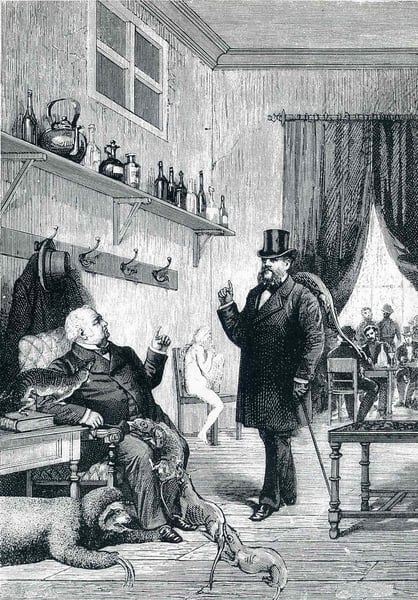
Max Ernst’s Illustration to “A Week of Kindness” stands as a pivotal work within the Surrealist movement, specifically during his First French period (1922–1938). Created for his 1934 collage novel Une Semaine de Bonté (A Week of Kindness), this piece is not merely an illustration but a radical redefinition of narrative and visual art.
Significance within Surrealism and Period Context:
-
Collage as a Surrealist Tool: Ernst pioneered the "collage novel," a medium that perfectly embodied André Breton’s concept of psychic automatism. By cutting and reassembling Victorian-era engravings from scientific and popular journals, Ernst disrupted rational narrative flow, creating eerie, dreamlike scenes that bypass conscious control. This illustration exemplifies that technique—familiar elements (architectural settings, human figures) are jolted into impossible, unsettling combinations, evoking the uncanny logic of dreams.
-
Subversion of the Illustration Genre: While the work is classified as an illustration (genre), Ernst uses the form to deconstruct its traditional purpose. Instead of clarifying a text, these images generate their own fragmented, ambiguous story. The illustration becomes a surrealist act of rebellion against logical storytelling, inviting the viewer to construct meaning from absurd juxtapositions.
-
First French Period and Exile: This period marks Ernst’s deep involvement with the Parisian Surrealist group after leaving Germany. The collage novel was created during a time of mounting political tension (the rise of Fascism). Ernst’s use of bourgeois 19th-century imagery to depict violence, eroticism, and metamorphosis can be read as a critique of the very society that would soon fuel war and repression.
-
Visual Vocabulary: Typically, these illustrations feature hybrid creatures (bird-headed humans, fish-women), crumbling interiors, and encounters that blend menace with tenderness. The work’s significance lies in how it balances precise draftsmanship (from the source engravings) with irrational juxtaposition, making the familiar strange. This technique influenced generations of artists working in collage, assemblage, and graphic narrative.
In short, this artwork is a landmark of Surrealist practice—a demonstration that illustration could be a radical, autonomous art form. It remains a cornerstone of Ernst’s legacy, showcasing how combining disparate fragments can unlock the subconscious and challenge the boundaries of visual storytelling.
Museum / Gallery
視覚的に類似
構図やパレットが近い作品 20 件
Story Le Rubis Du Grand-lama
Edouard Riou
Policy
Vasily Perov
Story Le Rubis Du Grand-lama
Edouard Riou
Story Le Rubis Du Grand-lama
Edouard Riou
Le Directeur
Theophile Steinlen
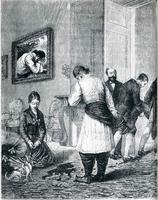
Illustration to "A Week of Kindness"
Max Ernst
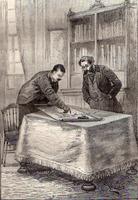
Story Le Rubis Du Grand-lama
Edouard Riou
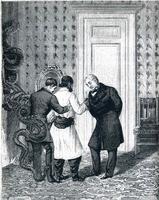
Illustration to "A Week of Kindness"
Max Ernst
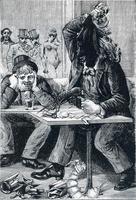
Illustration to "A Week of Kindness"
Max Ernst
Playing the whist
Boris Kustodiev
Le tripot
Gustave Bourgain
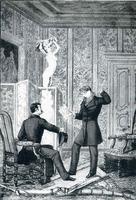
Illustration to "A Week of Kindness"
Max Ernst
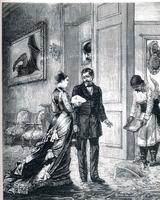
Illustration to "A Week of Kindness"
Max Ernst
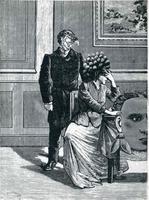
Illustration to "A Week of Kindness"
Max Ernst
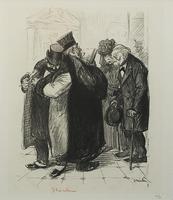
On Detrousse Au Coin Des Lois
Theophile Steinlen
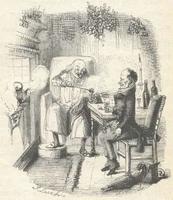
Scrooge and Bob Cratchit
John Leech
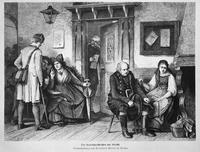
Die Gartenlaube
Berthold Woltze
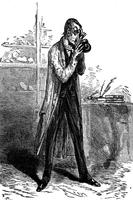
journey to the Center of the Earth
Edouard Riou
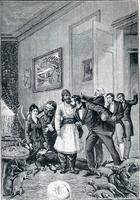
Illustration to "A Week of Kindness"
Max Ernst
Iza Sleeping
Paul-Albert Besnard