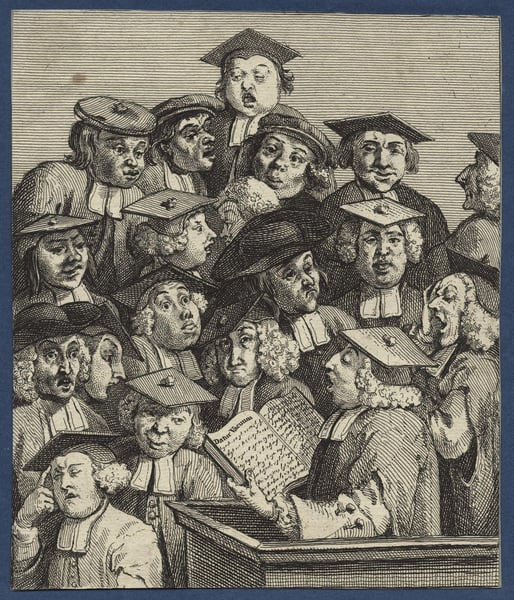
Scholars at a Lecture
Analisi esperta di Scholars at a Lecture di William Hogarth
Stile: Baroque · Genere: caricature
William Hogarth’s Scholars at a Lecture is a masterful example of Baroque caricature, a genre in which the artist excelled. The work’s significance lies in how Hogarth weaponized the Baroque idiom—its dramatic chiaroscuro, crowded compositions, and exaggerated facial expressions—to satirize intellectual pretension. Unlike the grand historical or religious subjects typical of the Baroque, Hogarth turns the style against itself, using its theatricality to expose the folly of self-important scholars. The lecture setting becomes a stage for absurdity, where each figure’s grotesque mannerism critiques the gap between academic authority and genuine wisdom. This fusion of high Baroque visual drama with corrosive social commentary established Hogarth as a pioneer of modern satirical art, influencing generations of caricaturists who followed.
Museum / Gallery
Visivamente simili
20 opere con composizione e palette affini
The Company of Undertakers
William Hogarth
The Chorus
William Hogarth
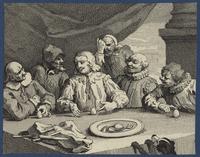
Columbus Breaking the Egg (Christopher Columbus)
William Hogarth
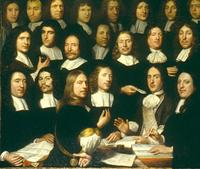
Mint Masters of the Mint of Holland in Dordrecht
Samuel Dirksz van Hoogstraten
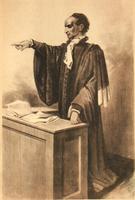
Crown Prosecutor de Villefort in 1838
Paul Gavarni
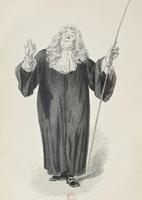
Don Gusman Brid'oison, from ''The Marriage of Figaro''
Émile Bayard
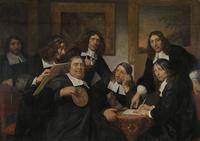
The Governors of the Guild of St Luke, Haarlem, 1675
Jan de Bray
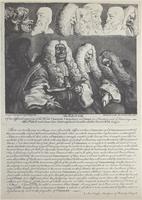
The Bench
William Hogarth
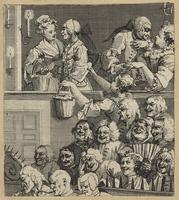
The Laughing Audience (or A Pleased Audience)
William Hogarth
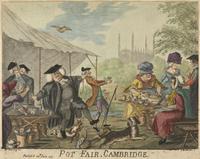
Pot Fair, Cambridge
James Bretherton
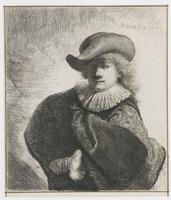
Self-portrait in a soft hat and embroidered cloak
Rembrandt
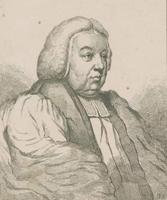
Philip Yonge, Bishop of Norwich
Frederick Sandys
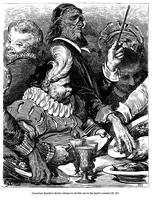
Don Quixote
Gustave Dore
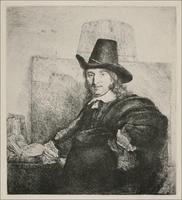
Portrait of Jan Asselyn
Rembrandt
America in Distress
Paul Revere
Six Regents and the Beadle of the Nieuwe Zijds Institute for the Outdoor Relief of the Poor
Ferdinand Bol
A Midnight Modern Conversation
William Hogarth
Frontispiece of all five books of Gargantua and Pantagruel
Gustave Dore
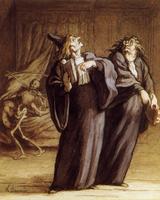
The Two Doctors and Death
Honore Daumier
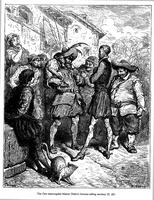
Don Quixote
Gustave Dore