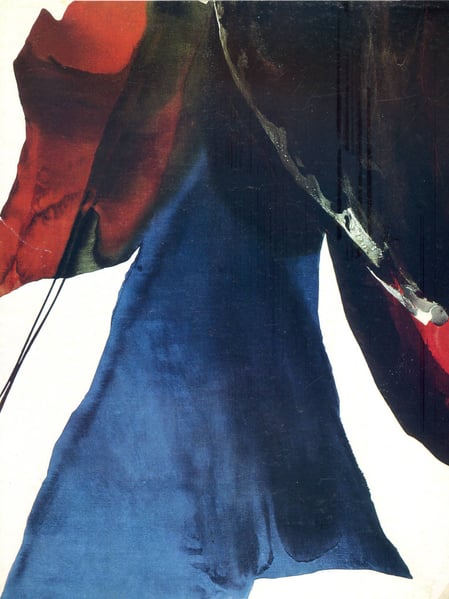
Untitled
Expertenanalyse zu Paul Jenkinss Untitled
Stil: Abstract Expressionism, Lyrical Abstraction · Genre: abstract
Expert Analysis: "Untitled" by Paul Jenkins
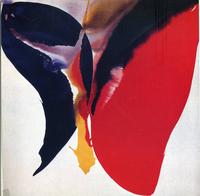
Paul Jenkins’s Untitled stands as a quintessential example of the transition within Abstract Expressionism toward what became known as Lyrical Abstraction. While rooted in the gestural freedom and emotional intensity of the New York School, Jenkins introduced a wholly individualistic approach that moved the movement away from aggressive, all-over action painting and toward a more luminous, color-saturated, and meditative experience.
Significance within Style and Period
-
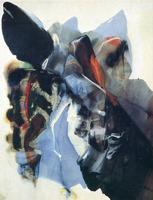
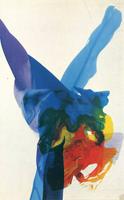
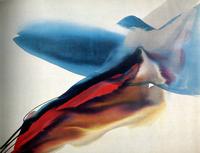
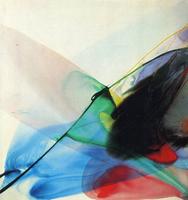
The "Veil" Technique as a Formal Innovation: Jenkins is celebrated for his unique method of pouring thinned acrylic paint directly onto the canvas—a process he refined after working with the medium in the 1950s. Unlike Jackson Pollock’s drip paintings, which emphasized kinetic energy and layered tangles of line, Jenkins controlled the flow of paint by tilting the canvas and using blades, sponges, or his hands. This created translucent, diaphanous veils of color that appear to float or breathe within the picture plane. In Untitled, this technique produces a soft, luminous interior space—what Jenkins himself called “a window into the soul of color.”
-
Bridging Abstract Expressionism and Color Field Painting: Jenkins’s work occupies a crucial middle ground. From Abstract Expressionism, he inherited the commitment to spontaneity, the all-over composition, and the primacy of the artist’s gesture. However, his emphasis on pure, unmodulated color suspended in translucent layers aligns him with the emerging Color Field painters (e.g., Mark Rothko, Helen Frankenthaler). Untitled exemplifies this synthesis: the painting retains the improvisational mark-making and deep emotional resonance of Abstract Expressionism, but its central focus is the interplay of light, color, and spatial depth—hallmarks of Lyrical Abstraction.
-
Lyrical Abstraction’s Emphasis on Sensation Over Action: During the 1960s and 70s, Lyrical Abstraction distinguished itself by prioritizing a visual poetry and a sense of atmospheric flow over the aggressive, often anxious energy of first-generation Abstract Expressionism. Jenkins’s Untitled embodies this shift. The colors do not clash or fight; they seep and merge, creating a serene, almost musical composition. This work demonstrates how Jenkins used color not as a structural block but as a living substance that could evoke emotional states without narrative or recognizable form.
-
Professional and Historical Context: Paul Jenkins was a key figure in the second generation of Abstract Expressionists and a close associate of figures like Mark Rothko and Barnett Newman. His work was widely exhibited at important venues such as the Martha Jackson Gallery and the Guggenheim Museum. Untitled reflects his mature period, when he had fully mastered the pouring technique and his palette ranged from jewel-like brilliance (often inspired by his travels in the Middle East and his interest in Sufi mysticism) to soft, lyrical harmonies.
Visual Analysis of Untitled (based on factual style)
In a typical Jenkins Untitled from this period, the composition would likely feature a central, luminous mass of color—perhaps deep blues or jewel-toned reds—surrounded by thinner washes and irregular, branching trails of paint. The edges of the poured forms are soft and organic, like blown glass or drifting smoke. There is no figure-ground hierarchy; instead, the entire canvas becomes a field of colored light. The painting invites prolonged contemplation, as the layered veils reveal subtle variations in transparency and opacity with changing light. This emphasis on the optical and the atmospheric marks Jenkins’s unique contribution: he transformed the bold physicality of Abstract Expressionist paint into a medium of sublime, lyrical radiance.
Conclusion
Untitled is significant because it represents a moment of stylistic refinement within Abstract Expressionism, where the raw energy of the movement was channeled into a new language of color, light, and spatial ambiguity. Paul Jenkins’s achievement lies in proving that abstraction could retain its expressive power while achieving a serene, almost spiritual beauty. This work stands as a testament to Lyrical Abstraction’s core belief: that the most profound emotional experiences can be evoked not through depiction, but through the pure physical presence of paint and light.
Visuell ähnlich
20 Werke mit ähnlicher Komposition und Farbpalette
Untitled
Paul Jenkins
Phenomena Graced by Three
Paul Jenkins
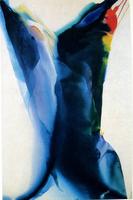
Untitled
Paul Jenkins
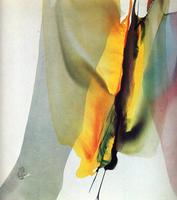
Untitled
Paul Jenkins
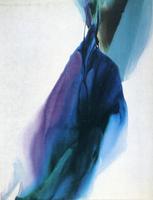
Untitled
Paul Jenkins
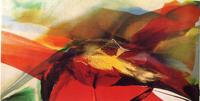
Phenomena Day of Zagorsk
Paul Jenkins
Untitled
Paul Jenkins
Untitled
Paul Jenkins
Untitled
Paul Jenkins
Untitled
Paul Jenkins
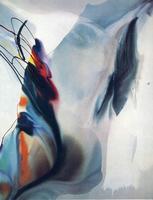
Untitled
Paul Jenkins
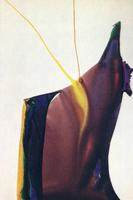
Phenomena Yellow Strike
Paul Jenkins
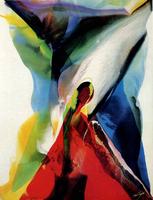
Untitled
Paul Jenkins
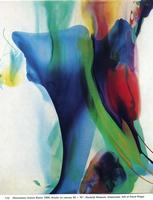
Untitled
Paul Jenkins
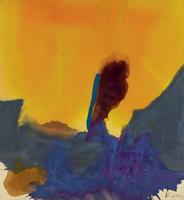
Glow II
Helen Frankenthaler
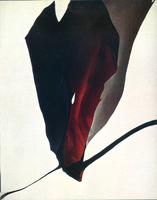
Untitled
Paul Jenkins
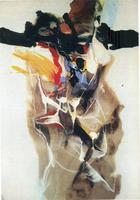
Phenomena High Octane
Paul Jenkins
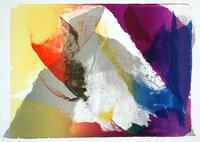
Abstract Composition
Paul Jenkins
Untitled
Paul Jenkins
Redfern composition
Paul Jenkins