Analisi esperta di Lady and Pierrot di Konstantin Somov
Stile: Symbolism · Genere: genre painting
Expert Analysis: "Lady and Pierrot" by Konstantin Somov
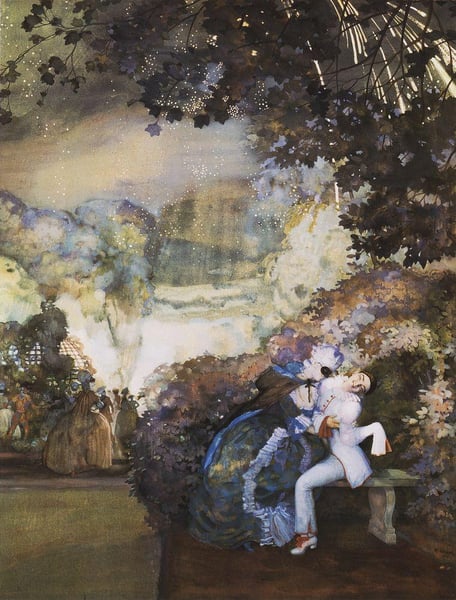
Konstantin Somov’s Lady and Pierrot stands as a quintessential example of Russian Symbolist genre painting, where the mundane is transformed into a stage for psychological tension and nostalgic reverie. The work weaves together the theatricality of the commedia dell’arte—a recurring motif in fin-de-siècle art—with the introspective, often melancholic mood that defines Symbolism.
Significance within Symbolism
Somov, a key member of the World of Art group, rejected realist conventions in favor of a refined, decorative aesthetic that evoked a bygone era of aristocratic leisure and theatrical artifice. In Lady and Pierrot, the choice of a genre scene—typically a depiction of everyday life—is subverted by a dreamlike, almost claustrophobic intimacy. The figures are not engaged in a casual moment but frozen in a charged, ambiguous interaction. The lady, elegant and aloof, and Pierrot, the eternal sad clown, embody the Symbolist preoccupation with masks—both literal and metaphorical. Pierrot’s white face and baggy costume signify the fragility of joy and the performance of emotion, while the lady’s poised detachment hints at unspoken desire or ennui. The painting thus becomes a meditation on the gap between appearance and reality, a core Symbolist concern.
Theatricality and Decadence
Somov’s work is significant for its masterful blend of Rococo-inspired elegance (a nostalgic nod to 18th-century French painting) with a modern sense of psychological decay. The composition likely emphasizes artificial light, rich fabrics, and a shallow depth of field, creating an enclosed stage-like space. This theatrical framing reflects the Symbolist fascination with the theater as a metaphor for life itself—a performance where true feelings are hidden behind costumes and roles. The genre-painting format allows Somov to ground this philosophical inquiry in a seemingly simple encounter, but the charged atmosphere elevates it beyond mere anecdote.
Place in Somov’s Oeuvre
Lady and Pierrot exemplifies Somov’s signature theme: the alienated individual in a world of refined sensuality. His Pierrot is not a comic fool but a tragic figure, echoing the Symbolist archetype of the misunderstood artist or lover. By situating this figure within a genre painting—a category traditionally associated with moral or social narratives—Somov disrupts expectations, making the ordinary strange and the historical eerily contemporary. This work, like his celebrated The Blue Bird or The Harlequin and the Lady, cements his role as a bridge between the decorative elegance of the 18th century and the psychological introspection of early modernism.
Conclusion
In Lady and Pierrot, Konstantin Somov achieves a delicate synthesis of form and meaning. Its significance lies in how it uses the seemingly cozy conventions of genre painting to explore Symbolist themes of artifice, yearning, and the fragile boundary between performer and observer. The painting remains a compelling testament to the Russian Symbolist pursuit of beauty tinged with melancholy—a world where even a simple lady and a clown can enact the drama of the human condition.
Visivamente simili
20 opere con composizione e palette affini
Festivities
Serge Sudeikin
In Love with Harlequin
Konstantin Somov
Courtesans
Konstantin Somov
A Youth on His Knees in Front of a Lady
Konstantin Somov
Masquerade
Konstantin Somov
Lady and Harlequin (Fireworks )
Konstantin Somov
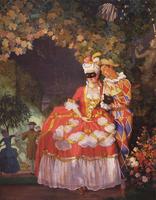
Lady and Harlequin
Konstantin Somov
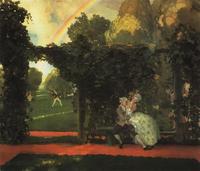
The Laughed Kiss
Konstantin Somov
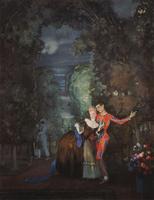
Lady and Harlequin
Konstantin Somov
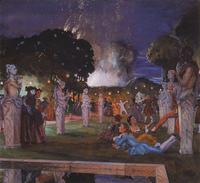
Holiday near Venice
Konstantin Somov
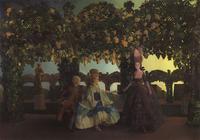
Evening
Konstantin Somov
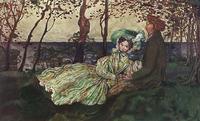
Idyll
Konstantin Somov
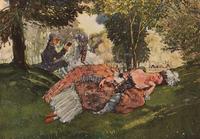
Asleep on the Grass Young Woman
Konstantin Somov
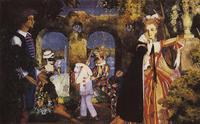
Italian Comedy 2
Konstantin Somov
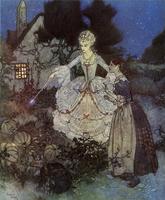
Cinderella - from the Picture Book for the Red Cross
Edmund Dulac
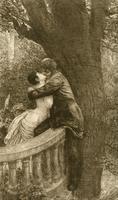
Kiss from the Series a Love, Opus X
Max Klinger
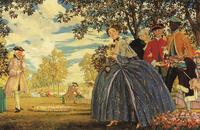
Figures in the Park
Konstantin Somov
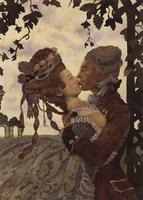
The Kiss
Konstantin Somov
The Groom
Alfred Kubin
La carta
Luis Paret y Alcazar