Expert Analysis: "Lotus Pond" by Qi Baishi
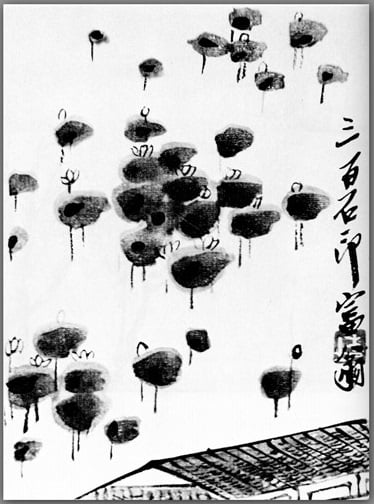
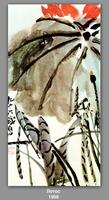
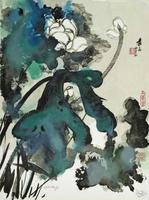
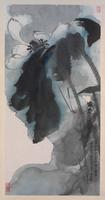
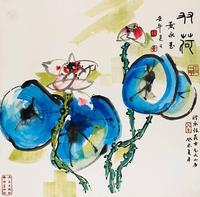
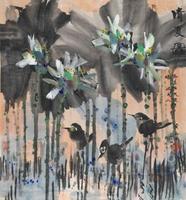
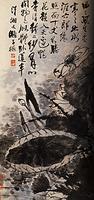
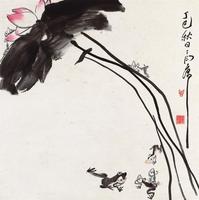
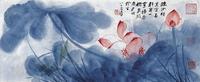
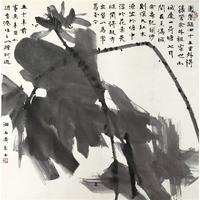
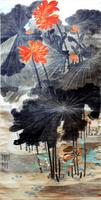
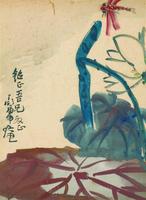
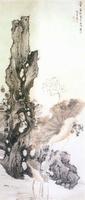
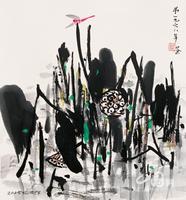
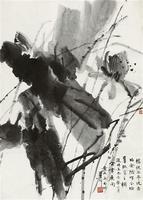
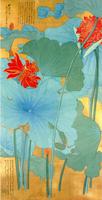
As an ink and wash landscape painting, Qi Baishi’s Lotus Pond exemplifies the expressive power and economy of means that define the genre within Chinese literati tradition. The work’s significance lies in how it transforms a conventional landscape subject—a lotus pond—into a study of vitality through controlled spontaneity. The wet, layered brushstrokes typical of ink wash capture both the transparency of water and the solidity of lotus leaves, while the deliberate use of empty space (a hallmark of the style) evokes atmosphere rather than literal detail. Qi Baishi’s mastery of tonal variation—from dense, dark ink to pale, diluted washes—creates a rhythmic, almost musical composition that balances stillness and movement. In the context of early 20th-century ink painting, this piece bridges classical literati restraint with a fresh, folk-inflected directness, making it a landmark of modern Chinese landscape art.