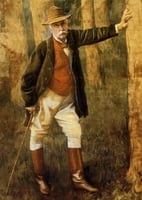
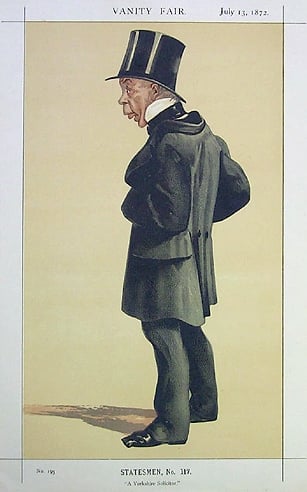
Statesman No.117° - Caricature of Mr George Leeman M.P.
Ayrıntılar
James Tissot sanatçısının Statesman No.117° - Caricature of Mr George Leeman M.P. eseri hakkında uzman analizi
Tarz: Realism · Tür: caricature
Expert Analysis of "Statesman No.117° - Caricature of Mr George Leeman M.P." by James Tissot
While Tissot is best known for his meticulously detailed genre scenes and portraits in the Realist style, this work—a caricature—represents a fascinating intersection of artistic fidelity and political satire. The significance lies in how Tissot applies Realist principles to a genre traditionally reliant on exaggeration.
Tension Between Realism and Caricature:
In typical caricature, features are distorted for comic or critical effect. Tissot, however, brings the observational rigor of Realism—attention to accurate anatomy, lifelike proportions, and nuanced modeling—to his portrayal of Mr. George Leeman, a Member of Parliament. The result is a subtle, almost "documentary" satire: the likeness remains credible, but a slight emphasis on the sitter’s posture or expression communicates political critique without sacrificing verisimilitude. This elevates the work beyond mere joke-telling, making it a sophisticated commentary on Victorian statesmanship.
Historical and Stylistic Place:
Created in the 19th century, when caricature flourished in illustrated magazines, Tissot’s piece bridges high art and popular print culture. His Realist background ensures that the visual language feels grounded, lending the caricature an air of objective reportage—a snapshot of the politician’s character. This hybrid approach was relatively rare; most caricaturists (e.g., Daumier) leaned heavily into grotesque exaggeration. Tissot’s restraint makes the critique more incisive, as the viewer must read the subtle clues embedded in an otherwise realistic face.
Significance within the Period:
The work demonstrates that Realism was not limited to scenes of labor or urban life—it could also infiltrate the realm of political portraiture. By treating a caricature with the same seriousness as a society portrait, Tissot challenges the boundary between elevated art and ephemeral commentary. For viewers today, this piece serves as a key example of how a Realist artist could engage with contemporary politics while maintaining stylistic integrity, offering a nuanced portrait of a Victorian MP that is both accurate and pointed.
Görsel olarak benzer
İlişkili kompozisyon ve renk paletine sahip 20 eser
Old Man in a Tail-coat
Vincent van Gogh
Statesman No.038° - Caricature of Archibald Campbell Tait, Archbishop of Canterbury
James Tissot
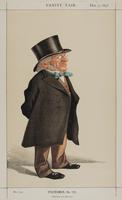
Statesman No.131° - Caricature of Sir Francis Goldsmid M.P.
James Tissot
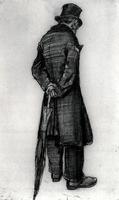
Orphan Man with Umbrella, Seen from the Back
Vincent van Gogh
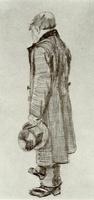
Orphan Man Holding Top Hat in his Hand
Vincent van Gogh
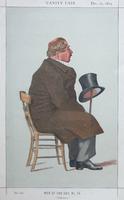
Man of the day No.75° - Caricature of Percy William Doyle C.B.
James Tissot
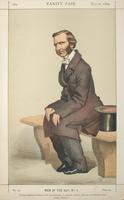
Man of the day No.01° - Caricature of The Rev.Frederick Temple
James Tissot
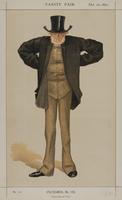
Statesman No.128° - Caricature
James Tissot
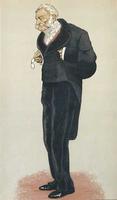
Caricature of William Bathurst, 5th Earl Bathurst
James Tissot
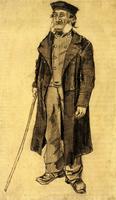
Old Man with a Stick
Vincent van Gogh
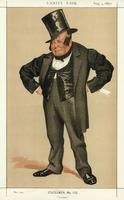
Statesman No.120° - Caricature of James Delahunty M.P.
James Tissot
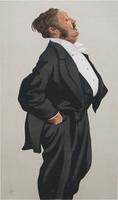
Caricature of Mr Lionel Lawson
James Tissot
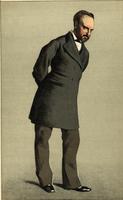
Dilke, Charles Wentworth
James Tissot
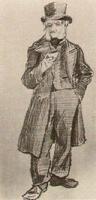
Orphan Man with Top Hat, Holding Cup
Vincent van Gogh
Berény Róbert, Beszélgetők
Berény Róbert
Orphan Man with Long Overcoat and Umbrella, Seen from the Back
Vincent van Gogh
Man of the day No.36° - Caricature of Matthew Arnold
James Tissot
The agent of the street of Jerusalem
Paul Gavarni
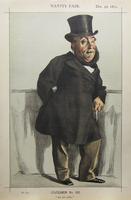
Statesman No.102° - Caricature of William Henry Gregory
James Tissot
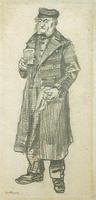
Orphan Man with Long Overcoat, Glass and Handkerchief
Vincent van Gogh