Expert Analysis of "The Woman of Fashion (La Mondaine)" by James Tissot
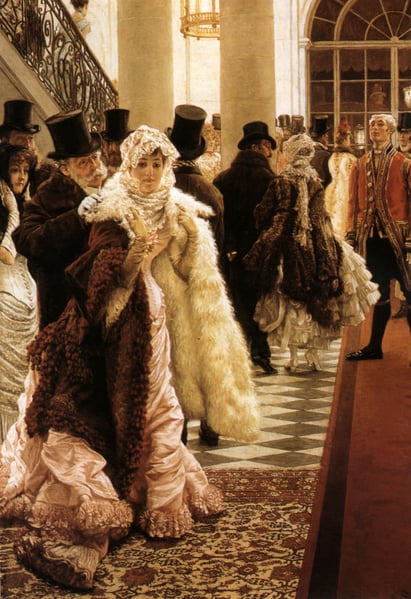
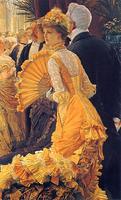
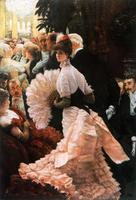
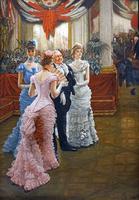
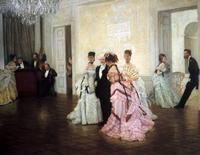
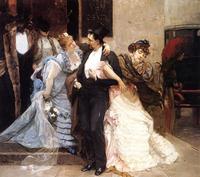
James Tissot’s The Woman of Fashion (La Mondaine) stands as a quintessential example of Realist genre painting, capturing the spirit of late 19th-century Parisian society with meticulous precision. Within the Realist tradition—which sought to depict contemporary life without idealization—Tissot distinguished himself through an almost ethnographic attention to detail, particularly in the rendering of costume, fabric, and social ritual.
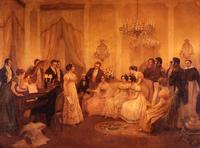
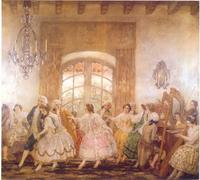
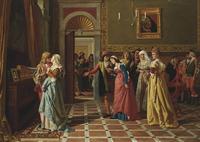
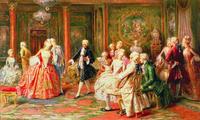
What makes this work significant is its role as a visual document of a specific social archetype: the fashionable, worldly woman (la mondaine) who navigated the public spaces of the Second Empire and early Third Republic. Tissot eschews narrative drama in favor of a quiet, observational approach. The figure is likely shown in a bourgeois interior or a fashionable promenade, her pose and attire signaling status, leisure, and the intricate codes of feminine presentation. The artist’s hallmark—a near-photographic clarity in depicting silk, lace, and the textures of upholstery—elevates a seemingly mundane genre scene into a study of modern materialism.
Moreover, Tissot’s work bridges the gap between academic Realism (as practiced by his friend Degas) and the emerging fascination with fashion as a marker of identity. La Mondaine does not moralize; it simply observes, allowing the viewer to read the sitter’s social currency through her dress and demeanor. This neutrality, combined with Tissot’s technical virtuosity, renders the painting a critical record of the rituals and surfaces of urban modernity. Its significance lies in being both a faithful mirror of its time and a precursor to the later, more psychologically charged treatments of women in public life by artists such as Renoir and Sargent.