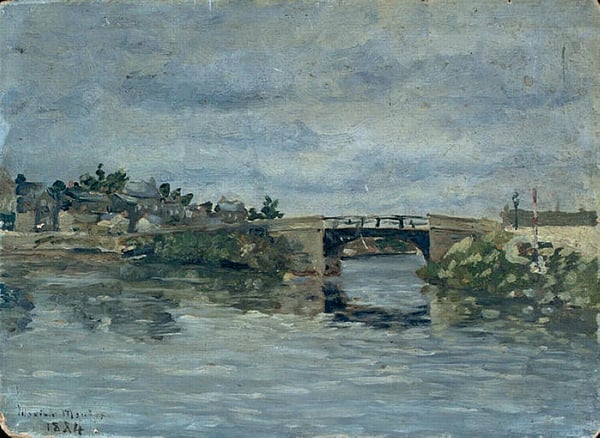
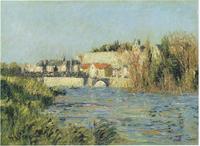
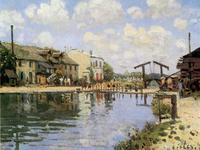
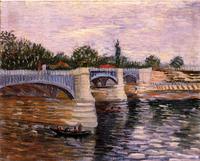
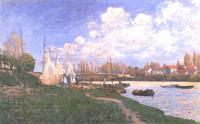
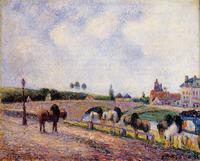
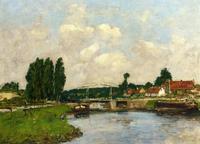
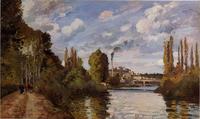
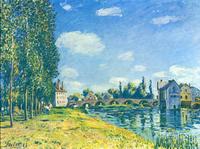
As an Impressionist landscape, Maxime Maufra’s The old Bridge in Barbin exemplifies the movement’s core preoccupations: the fleeting effects of natural light, the vibrancy of color, and the depiction of quotidian rural scenes. The bridge—a humble, functional structure—serves as a focal point that anchors the composition, while the surrounding environment (likely water, foliage, or sky) would have been rendered with loose, visible brushstrokes to capture atmospheric changes. Maufra’s treatment of this subject places him within the broader Impressionist interest in everyday life and the transient beauty of the French countryside. The work’s significance lies in how it distills the essence of the style: a direct, sensory engagement with a specific moment, prioritizing visual perception over narrative or detail.