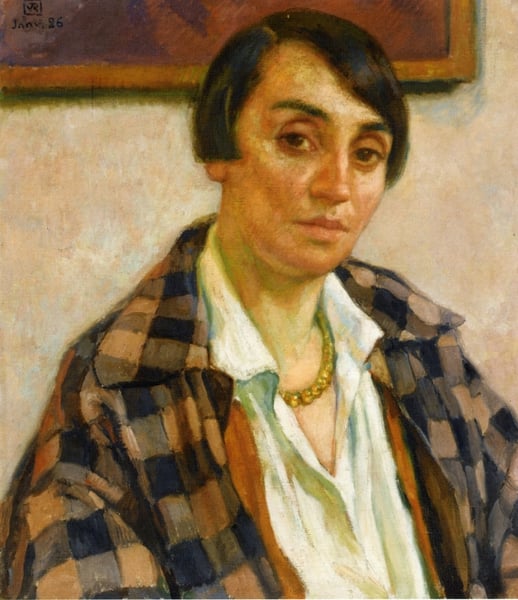
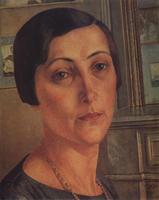
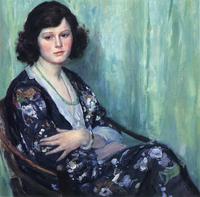
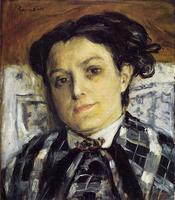
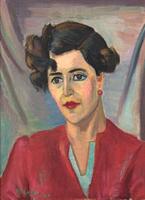
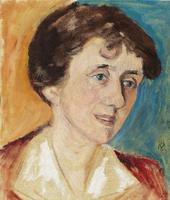
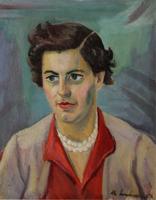
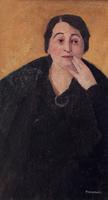
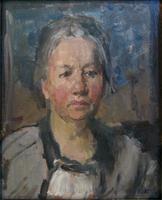
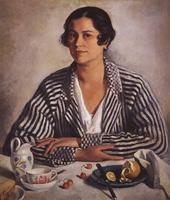
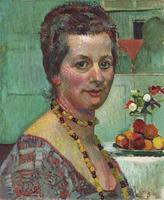
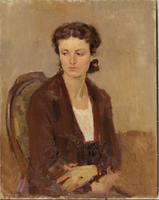
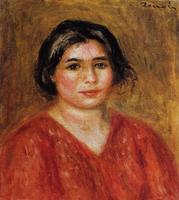
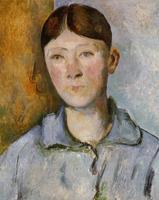
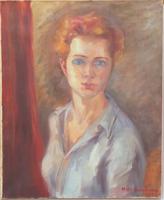
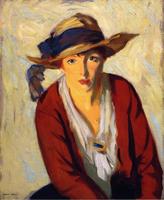
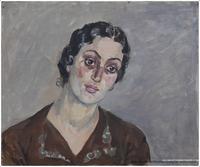
This portrait is significant as a clear example of Post-Impressionism’s departure from naturalistic representation toward a more subjective, emotionally resonant approach. Within the genre of portraiture, van Rysselberghe’s work captures not only the sitter’s likeness but also a psychological depth achieved through deliberate structure and color harmony. The style’s emphasis on the artist’s personal vision is evident in the careful orchestration of form and palette, making the painting a representative statement of Post-Impressionist ideals—where the subject becomes a vehicle for expressive composition rather than mere documentation.