Based solely on the provided structured facts, here is an expert analysis of the artwork's significance:
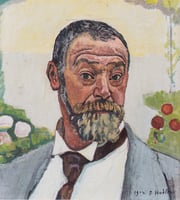
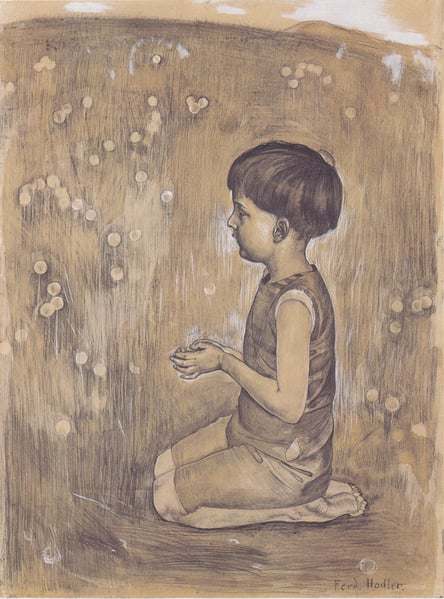
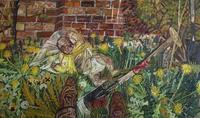
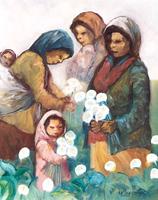
Ferdinand Hodler’s "Worship" holds a specific significance within the Art Nouveau (Modern) period as a symbolic painting. While the facts do not describe the visual content, the combination of artist, style, and genre points to a work that embodies the core ambition of Symbolist Art Nouveau: to transcend literal representation in favor of universal, often spiritual, themes. Hodler is known for formalizing a theory called "parallelism," where rhythmic repetitions of figures and gestures create a sense of order and cosmic harmony. In Worship, this approach would translate the act of devotion into a structured, almost ritualistic composition. The painting’s significance lies in its function as a bridge between decorative Art Nouveau aesthetics and the deeper philosophical inquiries of Symbolism, using a modern, streamlined visual language to address timeless human experiences of awe and reverence.