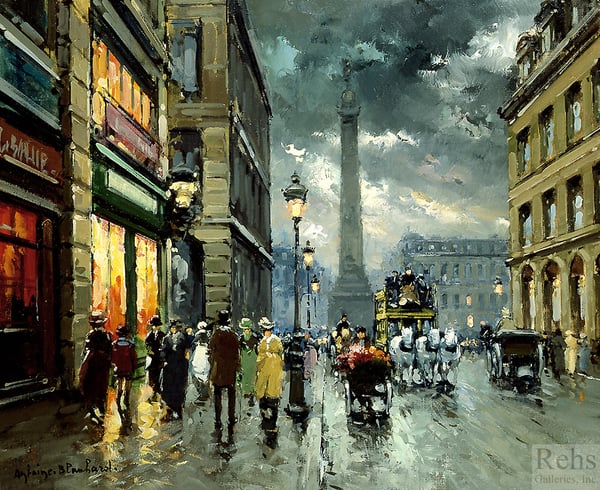
Place Vendome
Expertenanalyse zu Antoine Blanchards Place Vendome
Stil: Impressionism · Genre: cityscape
Expert Analysis: "Place Vendome" by Antoine Blanchard
As an Impressionist cityscape, Antoine Blanchard’s Place Vendome captures a quintessentially Parisian moment with the movement’s hallmark focus on light, atmosphere, and modern urban life. Blanchard, though working in the mid-20th century, deliberately revived the spirit of late 19th-century Impressionism, and this painting exemplifies his dedication to rendering the transient effects of weather and time on the grand boulevards and monuments of the city.
Significance within the Impressionist Style and Period
-
Atmospheric Capture: The painting’s significance lies in its treatment of the Place Vendôme—a neoclassical square famous for its column and luxury shops—as a living, breathing entity. Blanchard uses loose, broken brushstrokes typical of Impressionism to depict the glistening wet streets and the play of light on stone facades. This echoes Monet’s Rouen Cathedral series or Pissarro’s boulevard views, but Blanchard specializes in rain-soaked or twilight scenes that heighten the reflective, shimmering quality of the urban environment.
-
Nostalgia and Historical Evocation: Unlike many Impressionists who documented contemporary Paris in the 1870s-80s, Blanchard deliberately paints a bygone era—the Belle Époque. The horse-drawn carriages, gas lamps, and nineteenth-century fashion in Place Vendome are not accidental; they are a conscious homage to the Paris of Renoir, Degas, and Caillebotte. This gives the work significance as a nostalgic re‑creation, blending Impressionist technique with a romanticized historical memory, making it a favorite among collectors of “Parisian street scenes.”
-
Cityscape as a Genre: Blanchard’s Place Vendome reinforces the Impressionist contribution to the cityscape genre by treating the urban panorama with the same painterly spontaneity previously reserved for landscapes. The vertical thrust of the Vendôme column is softened by atmospheric perspective, and the crowd is rendered as a fluid mass of dabs and strokes—an approach that emphasizes the fleeting, bustling rhythm of city life rather than individual figures.
In summary, the artwork is significant for its masterful synthesis of Impressionist optical effects—especially the rendering of wet pavement and diffused light—and for its evocative, time‑capsule portrayal of Paris at its most elegant. It stands as a testament to the enduring appeal of Impressionist cityscape painting long after the movement’s original heyday.
Visuell ähnlich
20 Werke mit ähnlicher Komposition und Farbpalette
Rue de la Paix Place Vendome
Antoine Blanchard
Rue de la Paix Place Vendome
Antoine Blanchard
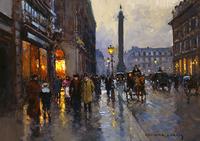
Rue de la Paix
Edouard Cortes
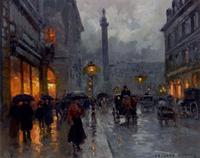
Place Vendome in Rain
Edouard Cortes
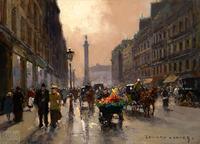
Rue de la Paix
Edouard Cortes
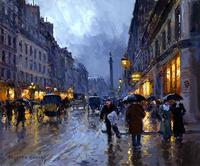
Rue de la Paix, Rain
Edouard Cortes
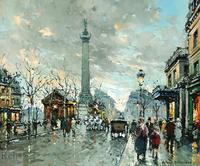
Place de la Bastiile
Antoine Blanchard
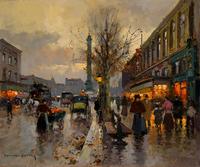
Place de la Bastille
Edouard Cortes
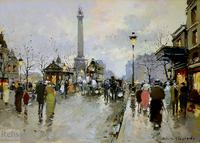
Place de la Bastiile
Antoine Blanchard
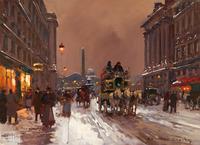
Rue Royale, Winter
Edouard Cortes
Concorde and Rue Royale
Edouard Cortes
Rue de Lyon
Edouard Cortes
Rue Royale Concorde
Edouard Cortes
Place Vendome
Edouard Cortes
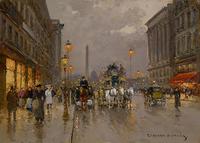
Rue Royale
Edouard Cortes
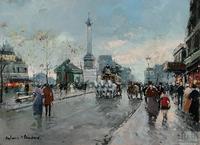
Place de la Bastiile
Antoine Blanchard
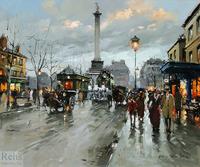
Place de la Bastiile
Antoine Blanchard
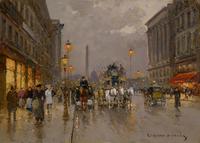
Royal Street, Consent
Edouard Cortes
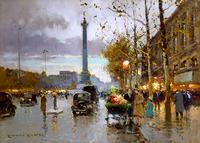
Place de la Bastille
Edouard Cortes
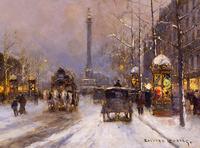
Place de la Bastille
Edouard Cortes