Analisi esperta di The River di Andre Derain
Stile: Post-Impressionism · Genere: landscape
Expert Analysis of "The River" by André Derain (Post-Impressionism)
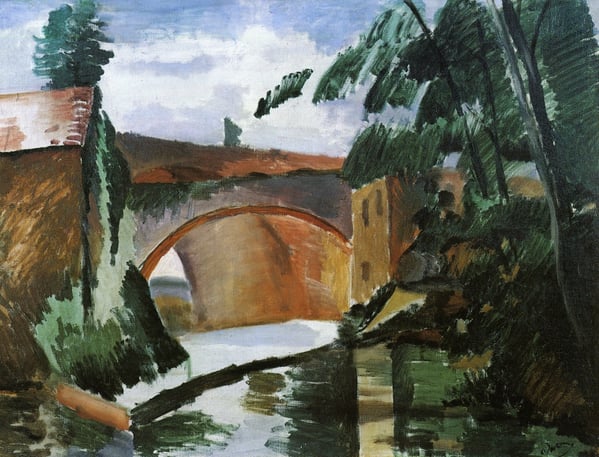
André Derain’s The River stands as a compelling landscape within the broader arc of Post-Impressionism, a movement defined by its departure from naturalistic representation in favor of emotional resonance and structural experimentation. While Derain later became a leading figure of Fauvism, this work—rooted in the Post-Impressionist idiom—demonstrates his engagement with the formal concerns that preoccupied artists like Cézanne, Van Gogh, and Seurat.
Composition and Treatment of Light
Derain organizes the scene around the river as a central, horizontal axis, using it to divide the canvas into distinct zones: the darker, more structured foreground banks and the luminous, reflective water. The brushwork is deliberate and varied—short, choppy strokes for foliage and longer, smoother passages for the river’s surface—recalling the rhythmic technique of Van Gogh, yet tempered by a more subdued palette. The play of light across the water is achieved through broken touches of complementary colors (e.g., muted greens against pale blues and ochres), a hallmark of the Post-Impressionist interest in optical mixing and subjective color.
Spatial Innovation and Flatness
Derain flirts with the flattening of pictorial space that would define later modernism. The far bank is compressed into a near-decorative band, while the foreground trees and grasses are rendered as bold, almost abstract shapes. This tension between depth and surface—a legacy of Cézanne’s “little sensations”—gives the landscape a sense of both immediacy and constructed permanence. The river itself is less a realistic body of water than a compositional device, channeling the viewer’s eye through a carefully managed sequence of color and form.
Significance within Post-Impressionism
The River is significant because it exemplifies the transition from Impressionism’s fleeting perceptual observations to a more intellectual, structured approach to nature. Derain does not merely record what he sees; he translates the landscape into a personal, expressive vocabulary of line and color. The work anticipates his later Fauvist explosions, yet here the color remains anchored to a moody, contemplative atmosphere—conveying the river’s stillness and the weight of the surrounding terrain. In doing so, Derain aligns himself with the core Post-Impressionist ambition: to depict not just the external world, but the emotional and formal truths that lie beneath its surface.
Museum / Gallery
Visivamente simili
20 opere con composizione e palette affini
Ponte Sul Fiume
Paolo Salvati
Bridge
Pyotr Konchalovsky
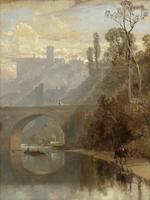
On the Regents Canal
Frederick Lee Bridell
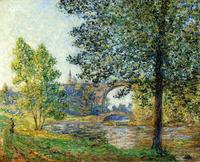
The Eure in the Twilight Sun
Francis Picabia
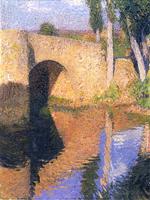
The Bridge
Henri Martin
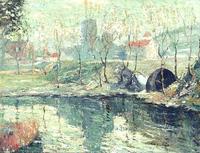
Misty Day in March
Ernest Lawson
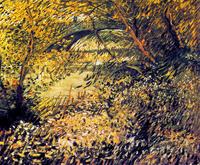
Banks of the Seine in the spring
Vincent van Gogh
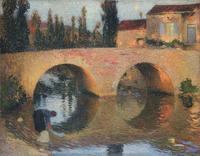
Woman Washing Clothes in River
Henri Martin
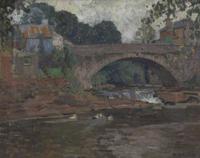
Senny Bridge
David Davies
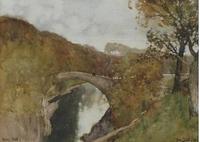
Horns hole
Tom Scott
Paysage À Maintenon
Henri Matisse
Turf Barge at Leeson Street Bridge
Sarah Purser
Guide Bridge
Joseph Farquharson
The Bridge on the River
Henri Martin
The Washerwomen of Moret
Alfred Sisley
Spring County Landscape
Alfred Heber Hutty
Village on the River
Maurice de Vlaminck
Early Morning Mist, Pont-de-l'Arche
Clarence Gagnon
Rolleboise, Bathers Near The Arm Of The Seine
Maximilien Luce
Old Brewery, Sennybridge
David Davies