Analisi esperta di Portrait of Fyodor Dubyansky di Aleksey Antropov
Stile: Baroque · Genere: portrait
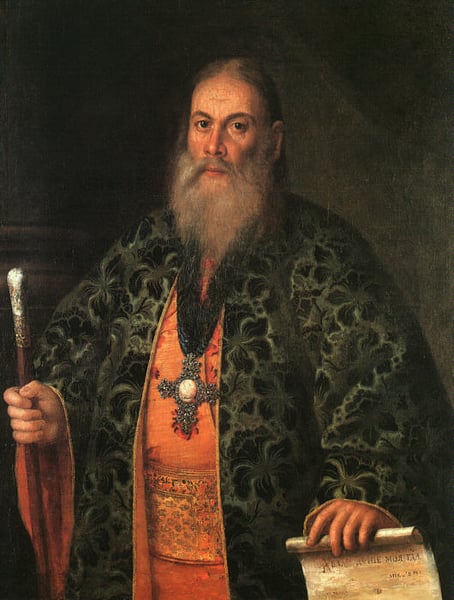
Expert Analysis: "Portrait of Fyodor Dubyansky" by Aleksey Antropov
This work exemplifies the Russian Baroque portrait tradition, a distinct fusion of Western European Baroque dynamism with the formal, icon-like restraint of earlier Russian painting. Antropov, a leading court portraitist of the mid-18th century, is celebrated for bringing a robust, tangible realism to Russian portraiture while retaining a sense of official grandeur.
Significance within the Baroque Style and Genre:
-
Baroque Realism and Psychological Depth: The portrait likely employs the Baroque hallmarks of strong chiaroscuro (dramatic light-shadow contrasts) and deep, saturated colors to render fabric, skin, and regalia with tactile intensity. This technique not only asserts the sitter’s social status but also hints at his inner world—a key Baroque innovation in portraiture. Antropov was known for capturing the unidealized, often slightly stiff expressions of his sitters, which paradoxically conveys an honest, almost documentary dignity.
-
Fusion of Russian and Western Traditions: The composition would follow the formal, hierarchical structure of official Russian portraits (full-frontal or three-quarter pose, elaborate costume, official attributes), yet the painterly handling—visible brushwork, glowing highlights, and a sense of movement in drapery—is directly indebted to the Western Baroque, especially the works of artists like Louis Tocqué and Johann Gottfried Tannauer, whom Antropov studied.
-
Cultural-Historical Importance: As a portrait of Fyodor Dubyansky (likely a prominent courtier or ecclesiastical figure), this work documents the visual culture of the Russian Imperial court during its aggressive Westernization under Peter the Great and his successors. Such portraits were instruments of state ideology, celebrating loyalty, service, and the ruler’s vision. Antropov’s ability to merge official decorum with a palpable human presence makes this piece a key example of how Baroque artifice served both personal and political functions in Russia.
Why It Stands Out:
Antropov’s “Portrait of Fyodor Dubyansky” is significant because it bridges the didactic, symbolic tradition of Russian icon painting and the sensuous, individualistic ethos of the Baroque. The sitter is not merely an emblem of rank; through Antropov’s handling, he becomes a specific, weighty presence—a testament to the growing importance of secular, humanistic identity in 18th-century Russian art. This portrait is a milestone in the development of a national school of portraiture that could compete with its European counterparts while retaining a uniquely Russian gravity.
Museum / Gallery
Visivamente simili
20 opere con composizione e palette affini
Archbishop Sylvester Kuliabka
Aleksey Antropov
El embajador de Rusia Peter Ivanovich Potemkin
Juan Carreno de Miranda
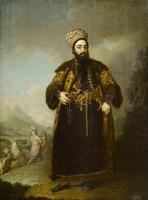
Portrait of Murtaza Kuli Khan, brother of Aga Mahommed, the Persian Shah
Vladimir Borovikovsky
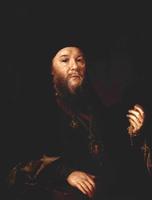
Portrait de l`Archimandrite Théophane
Vasily Tropinin
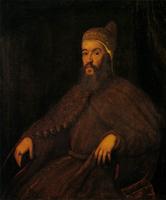
Doge Alvise Mocenigo
Tintoretto
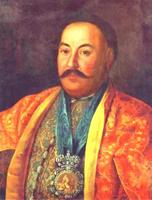
Portrait of F.Krasnoschiokov
Aleksey Antropov
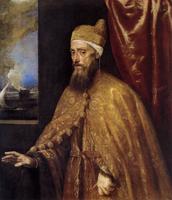
Portrait of the Doge Francesco Venier
Titian
Kazimierz III Wielki
Jan Matejko
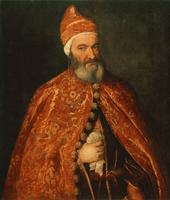
Portrait of Doge Marcantonio Trevisani
Titian
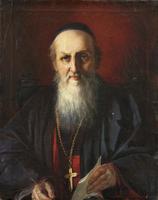
The Armenian Bishop Adoardo
Elisabeth Jerichau-Baumann
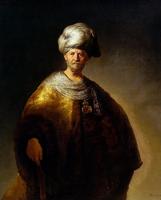
Man in Oriental Costume ("The Noble Slav" or "Man in a Turban")
Rembrandt
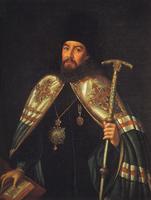
Portrait of archbishop Gavriil Petrov
Aleksey Antropov
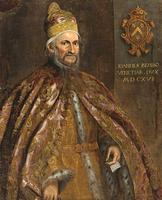
Portrait of the Doge Giovanni Bembo
Tintoretto
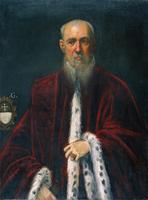
Portrait of the Procurator Alessandro Gritti
Tintoretto
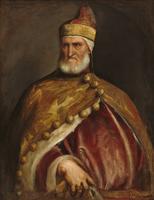
Portrait of Doge Andrea Gritti
Titian
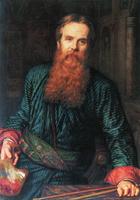
Self-Portrait
William Holman Hunt
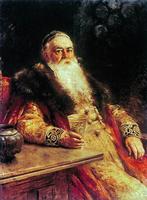
Boyar with the cup
Konstantin Makovsky
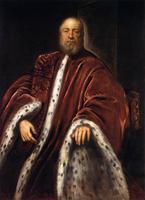
Portrait of a Procurator of St Mark's
Tintoretto
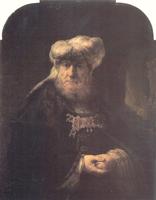
Man in Oriental Costume
Rembrandt
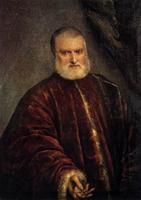
Portrait of Procurator Antonio Cappello
Tintoretto