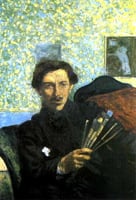
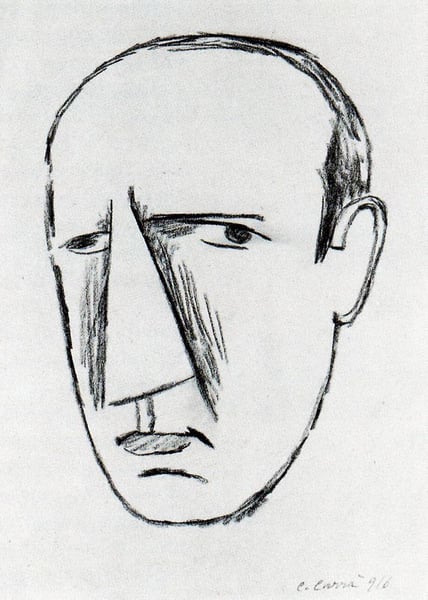
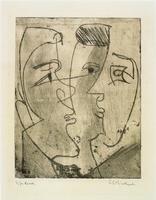
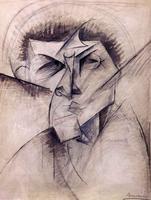
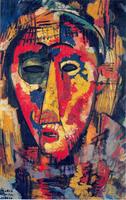
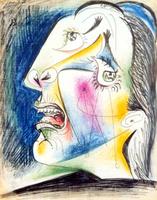
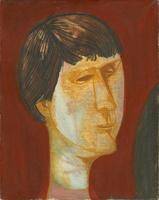
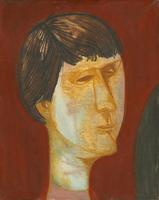
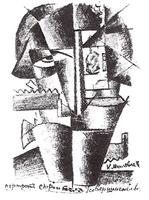
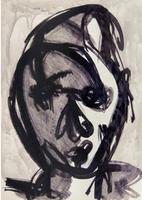
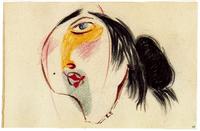
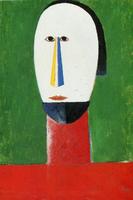
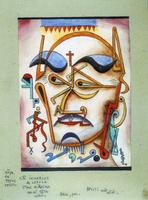
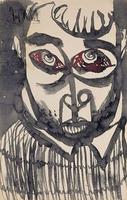
The portrait "Carlo Carrá" by Umberto Boccioni is significant as an Expressionist work that captures the psychological intensity and artistic kinship between two leading figures of the Italian avant-garde. Though Boccioni was a principal theorist of Futurism, here the style aligns with Expressionism—a movement that prioritizes subjective emotion over objective representation. In this portrait, Boccioni uses bold, gestural brushwork, distorted features, and a somber, almost sculptural modeling of the face to convey Carrà’s inner turmoil and intellectual fervor. The work’s importance lies in how it bridges the emotional immediacy of early 20th‑century Expressionist portraiture with the dynamism and fractured form that would soon define Boccioni’s own Futurist canvases. As a depiction of a fellow artist and collaborator, it also offers a rare, intimate glimpse into the intense personal and creative exchanges that fueled the radical innovations of the period.