
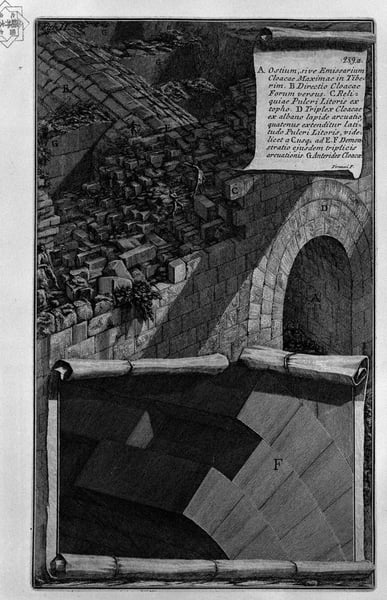
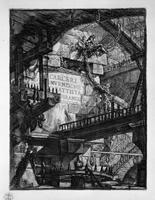
The mouth of the Cloaca Maxima
Giovanni Battista Piranesi sanatçısının The mouth of the Cloaca Maxima eseri hakkında uzman analizi
Tarz: Neoclassicism · Tür: cityscape
Expert Analysis: "The mouth of the Cloaca Maxima" by Giovanni Battista Piranesi
Giovanni Battista Piranesi’s The mouth of the Cloaca Maxima is a quintessential Neoclassical cityscape that elevates a Roman engineering marvel into a monument of sublime grandeur. Working within the Neoclassical tradition, Piranesi systematically combined archaeological precision with dramatic, often theatrical composition—a hallmark that distinguishes his vedute (views) from mere topographical records. Here, the subject is the ancient sewer system’s outlet into the Tiber, a structure that for Piranesi symbolized the practical genius and enduring power of Imperial Rome.
Significance within Neoclassicism and the Cityscape Genre
-
Neoclassical Idealization of Antiquity: In the Neoclassical spirit, Piranesi does not simply depict a functional drain; he monumentalizes it. The massive stone arch, its rusticated masonry, and the play of light and shadow transform a utilitarian waterwork into a heroic relic. This aligns with Neoclassicism’s reverence for Roman engineering as a model of order, durability, and civic virtue. The print emphasizes the sheer scale of the construction, dwarfing the small human figures—a device Piranesi used to evoke the vastness of ancient civilization compared to modern life.
-
Piranesi’s Unique Contribution to the Cityscape Genre: While most 18th-century cityscape painters focused on picturesque ruins or urban vignettes, Piranesi specialized in the archaeological sublime. His etchings of Rome’s infrastructural marvels (aqueducts, sewers, bridges) treat them with the same heroic intensity as temples or triumphal arches. The mouth of the Cloaca Maxima is significant because it highlights the often-overlooked foundations of Roman urbanism—the practical systems that enabled the city’s greatness. By making a sewer mouth the subject of a grand composition, Piranesi challenges viewers to find beauty and historical meaning in everyday functional structures.
-
Influence on Later Romanticism and Archaeology: Piranesi’s combination of meticulous detail (note the accurate stonework and the water’s reflective surface) with imaginative staging (the dramatic contrast between shadowed arch and bright sky) helped shape the Romantic fascination with ruins and the passage of time. His work inspired architects, artists, and antiquarians to see ancient Rome not as a dead past but as a living, awe-inspiring force. This etching, in particular, underscores his role as a bridge between Neoclassical order and Romantic emotional intensity.
Conclusion
The mouth of the Cloaca Maxima is significant as a Neoclassical cityscape that redefines what can be considered a worthy artistic subject. By elevating Rome’s ancient sewer to the level of monumental architecture, Piranesi argues for the aesthetic and intellectual importance of civil engineering. His fusion of archaeological accuracy with dramatic composition makes this work a masterpiece of the veduta genre, demonstrating that even the most humble infrastructure can embody the sublime spirit of antiquity.
Görsel olarak benzer
İlişkili kompozisyon ve renk paletine sahip 20 eser
The Roman antiquities, t. 3, Plate V. Construction details of walls Entries Ustrine.
Giovanni Battista Piranesi
The Roman antiquities, t. 1, Plate XI. Urban Walls.
Giovanni Battista Piranesi
The Roman antiquities, t. 1, Plate VIII. Aurelian Walls.
Giovanni Battista Piranesi
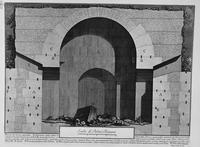
The Roman antiquities, t. 2, Plate XXXVII. Plan and elevation of a tomb located on the ancient Via Appia near the Vineyard Buonamici.
Giovanni Battista Piranesi
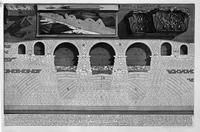
The Roman antiquities, t. 4, Plate VII. Following the above table.
Giovanni Battista Piranesi
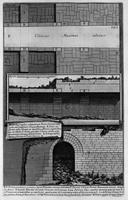
Construction details of the Cloaca Maxima
Giovanni Battista Piranesi
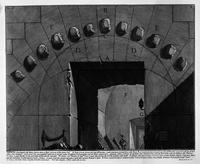
The Roman antiquities, t. 4, Plate XI. View of the underground foundation of the Mausoleum of Adrian`s helium.
Giovanni Battista Piranesi
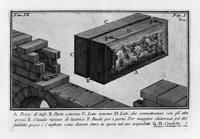
The Roman antiquities, t. 1, Plate IX. Aurelian Walls.
Giovanni Battista Piranesi
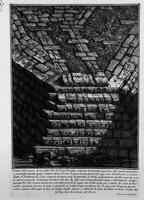
The Roman antiquities, t. 4, Plate XIV. View of Bridge St. Angel, from the Castle towards the road of Banks.
Giovanni Battista Piranesi
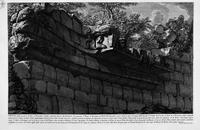
The Roman antiquities, t. 4, Plate XV. Map of the Tiber Island and the two bridges that lead to it.
Giovanni Battista Piranesi
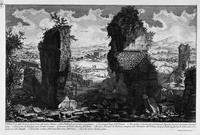
The Roman antiquities, t. 3, Plate VI. View the remains above ground of the ancient Ustrine and relevant to the same factories.
Giovanni Battista Piranesi
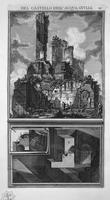
Perspective of one of the sides, and construction details of the five branches of the orifice of the aqueduct
Giovanni Battista Piranesi
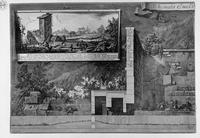
Emissary of Lake Albano (sets and sections)
Giovanni Battista Piranesi
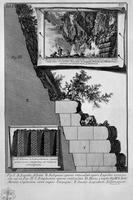
The substructures of the Capitol and the Tarpeian Rock
Giovanni Battista Piranesi
The Walls of Jericho Fall Down
Gustave Dore
The Roman antiquities, t. 2, Plate LXII. Cutaway view of the Mausoleum of Augustus.
Giovanni Battista Piranesi
The Sawhorse
Giovanni Battista Piranesi
Prospectus outside the Monument of the neck cross-section of the Scipios` Sarcophagus of Scipio Barbato and of Cornelia Hall
Giovanni Battista Piranesi
The Prisons
Giovanni Battista Piranesi
Title Plate
Giovanni Battista Piranesi