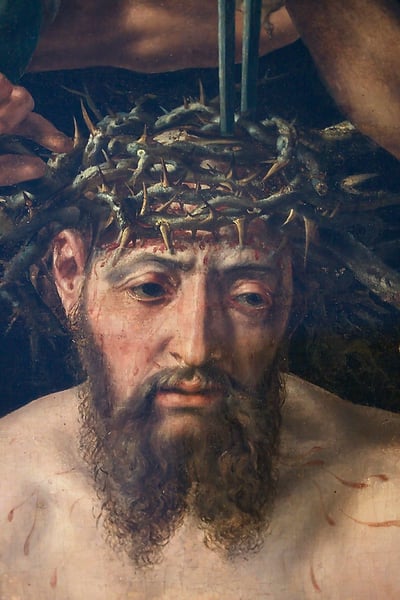
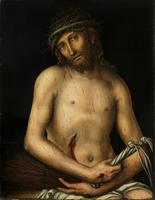
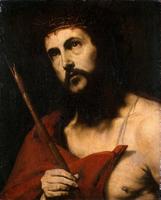
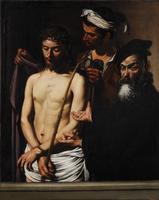
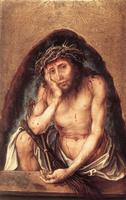
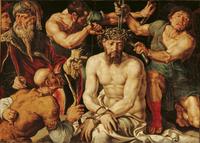
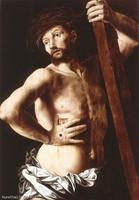
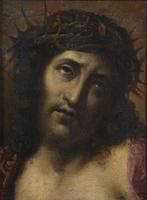
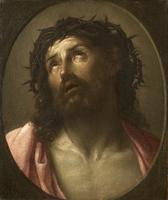
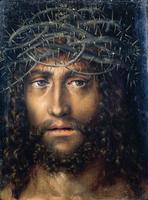
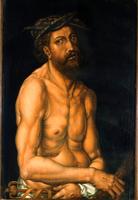
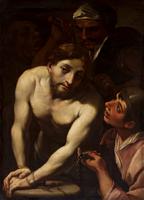
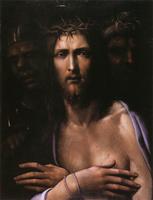
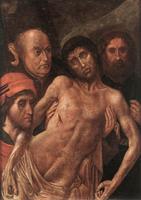
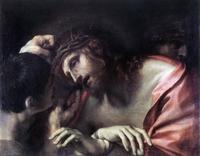
This artwork, Jesus Christ Crowned with Thorns by Maerten van Heemskerck, is a significant example of Mannerist religious painting. As a work belonging to the Mannerist phase of the Late Renaissance, its importance lies in how it embodies the period’s shift away from the balanced naturalism of the High Renaissance toward greater emotional intensity, complex composition, and stylized form.
Given the subject—a moment of profound physical and spiritual suffering—van Heemskerck would have leveraged Mannerist techniques to heighten the pathos. Typical features of this style include elongated figures, contorted poses, jarring colors, and crowded, asymmetrical compositions. In this religious scene, such choices serve to amplify the agony of Christ’s humiliation, making the viewer feel the tension and cruelty of the moment more acutely than a purely naturalistic depiction might.
Maerten van Heemskerck was a leading Dutch Mannerist, and this painting is significant for demonstrating how Northern European artists adapted Italian Mannerist ideals to a deeply Christian narrative. It showcases a deliberate departure from calm devotional imagery, instead using formal exaggeration to provoke an emotional and spiritual response—a hallmark of the style’s contribution to religious art.