Expert analysis of Maurice de Vlaminck’s Woman With a Dog
Style: Fauvism, Neo-Impressionism · Genre: portrait
Expert Analysis: "Woman With a Dog" by Maurice de Vlaminck
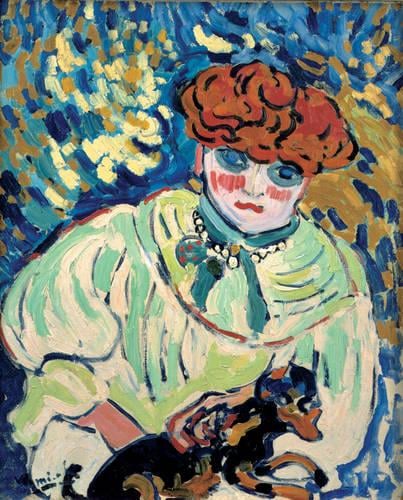
Maurice de Vlaminck’s Woman With a Dog stands as a striking example of the radical color experimentation that defined Fauvism, while also reflecting the lingering influence of Neo-Impressionism in its compositional structure. Executed as a portrait, the work transcends traditional representation to become a pure exercise in chromatic and emotional intensity.
Significance within Fauvism:
Vlaminck was one of the central figures of the Fauvist movement, alongside Matisse and Derain, and this painting embodies the movement’s core tenet: color liberated from descriptive function. The subject—a woman with a dog—is rendered not through naturalistic hues but through explosive, arbitrary swaths of pigment. Skin tones may shift into vivid oranges, greens, or violets, and the background is likely treated as a flat, decorative field of unmodulated color. This aggressive use of pure, unmixed paint creates a visceral, spontaneous energy that prioritizes the artist’s emotional response over objective likeness.
Neo-Impressionist Underpinnings:
Though Vlaminck rejected the systematic pointillism of Seurat, his early training in Neo-Impressionism left traces in the painting’s brisk, broken brushwork. In Woman With a Dog, small, visible strokes may fragment the forms, but they are far looser and more expressive than the precise dots of divisionism. This hybrid approach allows Vlaminck to retain a sense of light and vibration while pushing toward the wild, gestural freedom that became his hallmark.
Thematic Context:
The intimate domestic scene—a woman with her dog—is a conventional subject, yet Vlaminck subverts it through his ferocious palette and coarse handling. The dog, often a symbol of fidelity, is transformed into a near-abstract shape, challenging the viewer to find meaning in color and form alone. This tension between recognizable subject and radical style underscores the Fauvist aim to make art an expression of pure sensation.
Conclusion:
Woman With a Dog is significant not for its narrative but for its role in the Fauvist revolution. It demonstrates how Vlaminck, leveraging the structural lessons of Neo-Impressionism, broke decisively from academic portraiture to announce a new, color-driven vision of reality—one that would profoundly influence the trajectory of modern art.
Genre
Visually similar
20 works with related composition and palette
The Madras
Henri Matisse
Portrait de Jeune fille
Auguste Herbin
Girl from Arles
Pyotr Konchalovsky
Two Little Girls
Vincent van Gogh
Paris. Innkeeper.
Pyotr Konchalovsky
Portrait of Tyra Hasselblatt
Magnus Enckell
Greta Moll
Henri Matisse
Madame Roulin Rocking the Cradle (A lullaby)
Vincent van Gogh
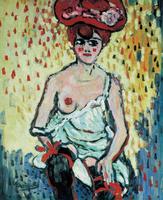
The Girl at Rat Mort
Maurice de Vlaminck
The Sun King
Pablo Picasso
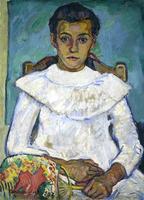
Girl with a Fan
Pyotr Konchalovsky
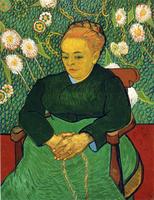
Madame Roulin Rocking the Cradle (A Lullaby)
Vincent van Gogh
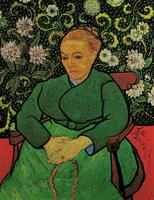
Madame Augustine Roulin
Vincent van Gogh
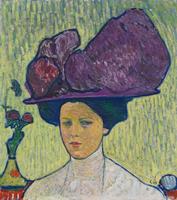
The Violet Hat
Cuno Amiet
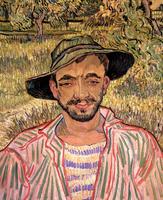
Portrait of a Young Peasant
Vincent van Gogh
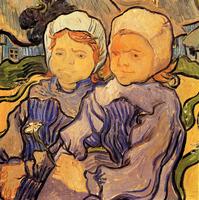
Two Children
Vincent van Gogh
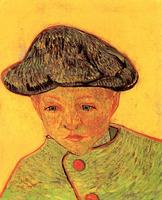
Portrait of Camille Roulin
Vincent van Gogh
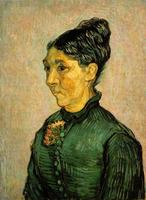
Portrait of Madame Trabuc
Vincent van Gogh
Portrait of Adeline Ravoux
Vincent van Gogh
Egry József , Horgoló Lány 1912
Egry József