Expert analysis of Maurice Quentin de La Tour’s Charles Parrocel, painter
Style: Rococo · Genre: portrait
Expert Analysis: Maurice Quentin de La Tour’s Charles Parrocel, Painter
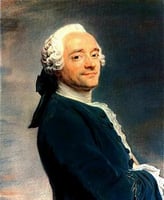
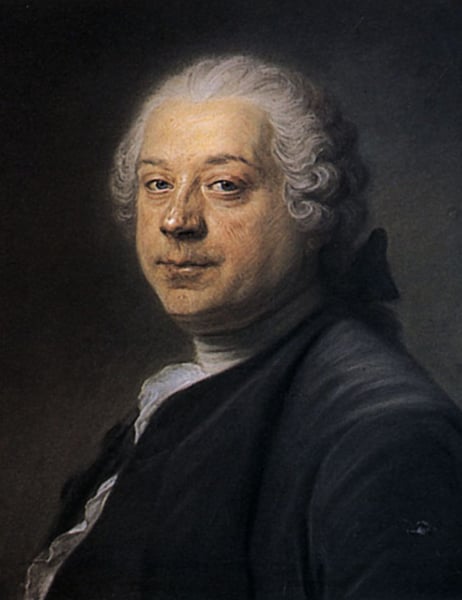
This portrait by Maurice Quentin de La Tour is a masterful example of Rococo portraiture, executed in the artist’s signature medium of pastel. The work’s significance lies in three key aspects: its technical brilliance, its intimate psychological depth, and its self-reflexive commentary on artistic identity during the Rococo era.
Technical Virtuosity
De La Tour was the preeminent pastellist of 18th-century France, elevating a medium often considered fragile or minor to the level of grand painting. In this piece, his handling of pastel achieves extraordinary subtlety—the soft transitions of flesh tones, the shimmer of fabric, and the lively spark in the sitter’s eyes demonstrate a control that rivals oil painting. The powder-fine texture and luminous highlights capture the Rococo taste for delicate, sensuous surfaces.
A Portrait of an Artist by an Artist
Charles Parrocel, himself a celebrated history painter and battle-scene specialist, is depicted not with formal pomp but with an air of intelligent concentration. De La Tour’s genius was to reveal the personality behind the profession: Parrocel’s relaxed yet alert posture, the slight smirk, and the direct gaze suggest a man of wit and observation. This is not a generic official portrait; it is a dialogue between two masters. The work thus becomes a meditation on the artist’s role—both subjects are creators, yet here the subject is also the product of another’s craft.
Rococo’s Shift Toward Intimacy
Unlike the stiff, allegorical portraits of the Baroque, Rococo portraiture valued spontaneity, charm, and private character. De La Tour’s Charles Parrocel epitomizes this shift: the sitter is caught mid-thought, leaning forward as if about to speak. The pastel medium itself—fragile, immediate, and unfixed—mirrors this fleeting, conversational quality. The portrait’s significance is its ability to convey not just likeness but presence, making the viewer feel as though they have encountered a living personality.
In summary, this work stands as a pinnacle of Rococo pastel portraiture, a seamless blend of technical mastery and psychological insight, and a compelling record of the mutual admiration between two prominent figures of the French art world.
Visually similar
20 works with related composition and palette
Jean Charles Garnier d'Isle
Maurice Quentin de La Tour
Charles Maron, a lawyer in parliament
Maurice Quentin de La Tour
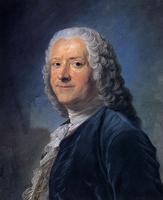
Portrait of Alexandre-Jean-Joseph Le Riche de La Pouplinière
Maurice Quentin de La Tour
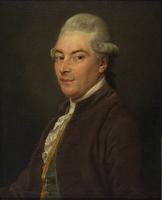
Portrait of Pieter Caarten
Pompeo Batoni
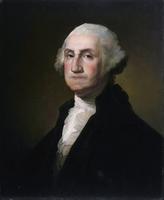
George Washington
Rembrandt Peale
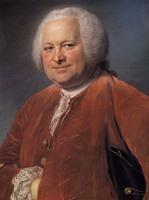
Portrait of Alexandre-Jean-Joseph Le Riche de La Pouplinière
Maurice Quentin de La Tour
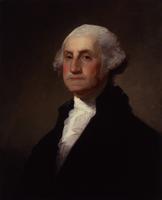
George Washington
Gilbert Stuart
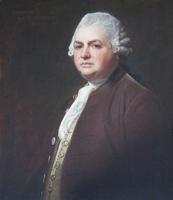
Peregrine Cust (1723–1785), MP
George Romney
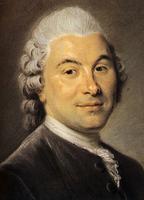
Francois Louis Veron Forbonnais of Duverger, economist
Maurice Quentin de La Tour
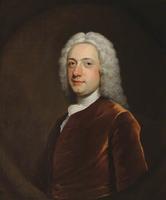
Isaac Hawkins Browne (1705–1760), Poet
Joseph Highmore
Anthony Todd, Postmaster General
George Romney
Portrait of Thomas Flucker
John Singleton Copley
Charles Pinot Duclos, novelist and historian
Maurice Quentin de La Tour
Percivall Pott (1713–1788)
George Romney
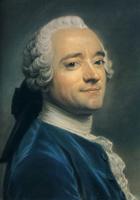
Self-Portrait with lace jabot
Maurice Quentin de La Tour
Portrait De Jean Baptiste Laurent Boyer De Fonscolombe
Claude Arnulphy
Simon Fanshawe (1716–1777)
William Hoare
Reverend Oliver Marton, Vicar of Lancaster (1767–1794)
George Romney
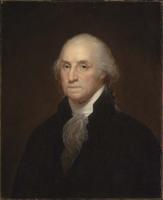
George Washington
Rembrandt Peale
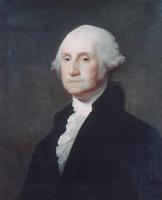
George Washington
Gilbert Stuart