Expert analysis of Maurice Quentin de La Tour’s Madame Favart
Style: Rococo · Genre: sketch and study
Expert Analysis of "Madame Favart" by Maurice Quentin de La Tour
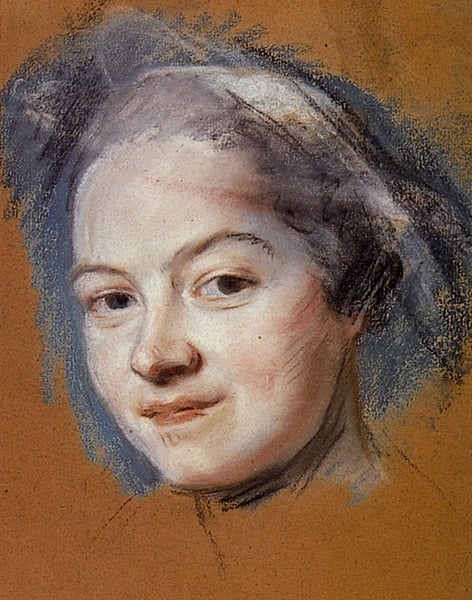
This work, a sketch and study by the master pastellist Maurice Quentin de La Tour, exemplifies the Rococo fascination with intimate, fleeting moments of character and grace. As a preparatory study rather than a finished portrait, the piece reveals La Tour’s exceptional ability to distill personality and spontaneity into minimal, confident strokes—a hallmark of his genius within the Rococo period.
Significance within Rococo and the Artist’s Oeuvre
-
Psychological insight in a sketch: Rococo art often celebrated light-hearted subjects and decorative charm, but La Tour elevated portraiture by capturing the sitter’s inner life. Here, the loose handling of “Madame Favart” (the celebrated actress and singer of the Comédie-Italienne) records not just her likeness but her vivacity and theatrical spirit. This spontaneity was prized in Rococo circles, where private portraits and “têtes d’expression” (studies of expression) were collected for their naturalism.
-
Mastery of pastel and form: La Tour was the unrivaled virtuoso of pastel in 18th-century France. In this sketch, his rapid, sure-handed technique brings out the softness of Madame Favart’s features and the liveliness of her gaze, while the unfinished areas suggest a deliberate focus on character over polish. This approach aligns with the Rococo interest in plaisir (pleasure) and esprit (wit)—qualities that a finished, overworked portrait might obscure.
-
Subject as cultural icon: Madame Favart was a famous stage personality, and her portrayal reflects Rococo society’s fascination with theater, performance, and the interplay between public persona and private self. La Tour’s study captures her charisma in a way that feels both candid and elegant, bridging the gap between formal portraiture and the informal life-studies that informed larger works.
Conclusion
“Madame Favart” is significant as a rare glimpse into La Tour’s creative process, showing how Rococo artists valued economy of means to achieve emotional immediacy. It stands as a testament to the period’s shift toward intimate, psychologically nuanced representation—where even a sketch could achieve the vividness of a finished portrait.
Visually similar
20 works with related composition and palette
Preparation to the portrait of the Dauphine Marie Josephe of Saxony
Maurice Quentin de La Tour
Mademoiselle Camargo
Maurice Quentin de La Tour
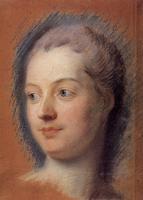
Madame de Pompadour
Maurice Quentin de La Tour
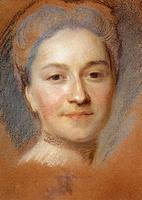
Study of the portrait
Maurice Quentin de La Tour
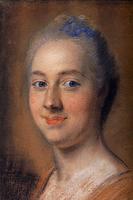
Study for portrait of unknown woman
Maurice Quentin de La Tour
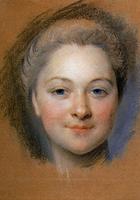
Study to portrait of unknown woman
Maurice Quentin de La Tour
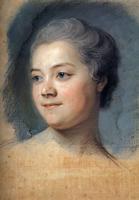
Mademoiselle Chacrylique sur Toileagner de La Grange
Maurice Quentin de La Tour
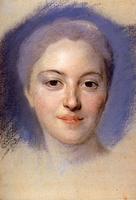
Study for portrait of unknown woman
Maurice Quentin de La Tour
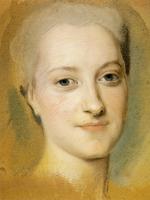
Princess Christina of Saxony
Maurice Quentin de La Tour
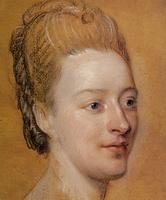
Portrait of Isabelle de Charriere
Maurice Quentin de La Tour
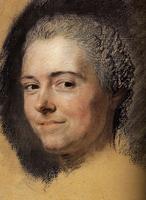
Study for portrait of Mademoiselle Dangeville
Maurice Quentin de La Tour
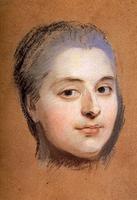
Study of the portrait
Maurice Quentin de La Tour
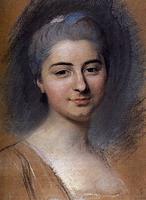
Study for portrait of unknown woman
Maurice Quentin de La Tour
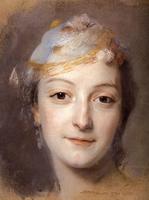
Portrait of Marie Fel
Maurice Quentin de La Tour
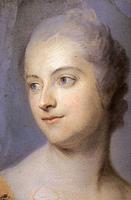
Preparation to the portrait of Madame de Pompadour
Maurice Quentin de La Tour
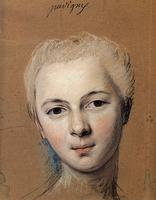
Mademoiselle Pavigne
Maurice Quentin de La Tour
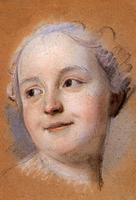
Study for portrait of unknown woman
Maurice Quentin de La Tour
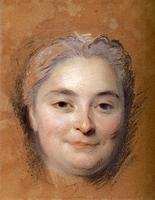
Preparation tothe portrait of Marie Catherine Dufloquet Reals, wife of Rene Masse Nicolas Gregoire
Maurice Quentin de La Tour
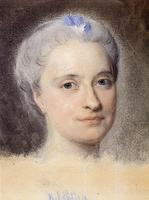
Marie Josephe of Saxony
Maurice Quentin de La Tour
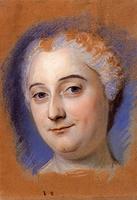
Study for portrait of unknown woman
Maurice Quentin de La Tour