Analisi esperta di Manelli di Maurice Quentin de La Tour
Stile: Rococo · Genere: portrait
Expert Analysis of Manelli by Maurice Quentin de La Tour
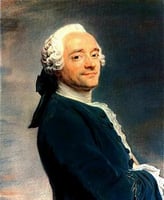
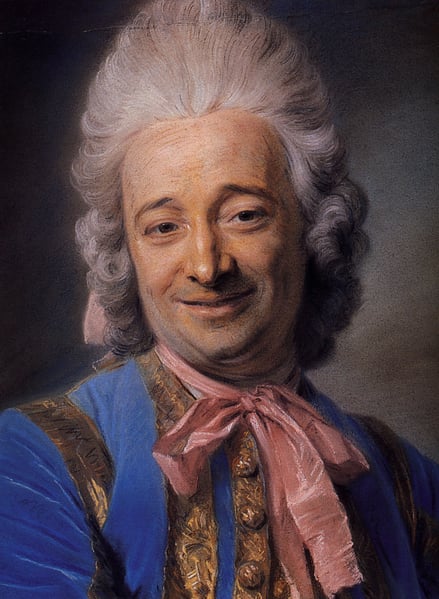
As a master of the Rococo portrait, Maurice Quentin de La Tour elevates the genre beyond mere likeness into a profound study of character and social nuance. Manelli—likely a musician or singer active in the refined circles of 18th-century Paris—exemplifies La Tour’s unparalleled ability to fuse the decorative charm of the Rococo with sharp psychological insight.
Significance within the Rococo Style
- Pastel virtuosity: La Tour was the preeminent pastellist of his era, and in Manelli the medium’s velvety texture and subtle tonal transitions are used to capture both the sitter’s warm flesh tones and the luxurious sheen of fabric. This soft, powdered finish is quintessentially Rococo, yet La Tour never lets prettiness overwhelm truth.
- Intimate scale: Unlike grand history portraits, La Tour’s bust‑length format draws the viewer into immediate, confidential proximity with the sitter. The composition suggests spontaneity—a moment of arrested gesture, perhaps with a half‑smile or a quizzical glance—that feels alive and unposed.
- Psychological penetration: La Tour was famed for “painting the soul.” In Manelli, the slight asymmetry of the features, the spark in the eye, and the relaxed set of the mouth convey a quick, intelligent personality. This aligns with the Enlightenment’s interest in individual character, yet the air of refined ease is pure Rococo.
Why This Work Matters
- Manelli represents the high point of pastel portraiture in the 18th century, where La Tour’s technical brilliance (layering of fine powders, delicate hatching) produces a surface that rivals oil painting in depth and luminosity.
- As a portrait of a performer (the name “Manelli” suggests Italian operatic connections), the work documents the social mobility and cultural prestige of artists in pre‑Revolutionary France. La Tour, himself of humble origins, was a keen observer of the Parisian elite.
- The portrait’s enduring power lies in its balance of Rococo elegance and unvarnished humanity: La Tour gives us neither a flattering mask nor a cold document, but a living presence caught in the soft, fleeting light of the ancien régime.
Visivamente simili
20 opere con composizione e palette affini
Jacques Louis Francois Roussel, Marquis de Courcy
Maurice Quentin de La Tour
Autoportrait
Joseph Duplessis
Portrait of Alexandre-Jean-Joseph Le Riche de La Pouplinière
Maurice Quentin de La Tour
Portrait of David Garrick
Thomas Gainsborough
Portrait of René Frémin, Sculptor
Maurice Quentin de La Tour
Jean Paris de Montmartel
Maurice Quentin de La Tour
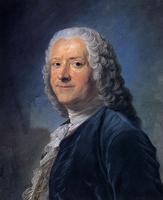
Portrait of Alexandre-Jean-Joseph Le Riche de La Pouplinière
Maurice Quentin de La Tour
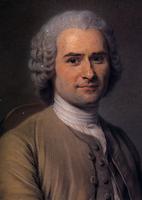
Jean-Jacques Rousseau
Maurice Quentin de La Tour
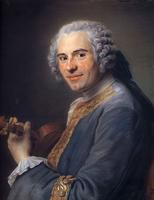
Jean-Joseph Cassanea de Mondonville
Maurice Quentin de La Tour
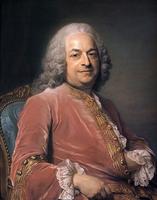
Antoine Gaspard Grimold de la Reyniere
Maurice Quentin de La Tour
Jean Restout
Maurice Quentin de La Tour
Self-Portrait
Charles Willson Peale
Jean Le Rond d'Alembert
Maurice Quentin de La Tour
Portrait of Colonel John Cox
Charles Willson Peale
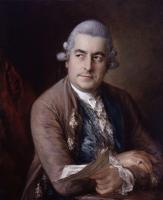
Portrait of Johann Christian Bach
Thomas Gainsborough
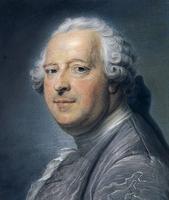
Jean Charles Garnier d'Isle
Maurice Quentin de La Tour
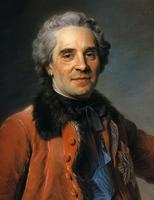
Portrait of Maurice of Saxony
Maurice Quentin de La Tour
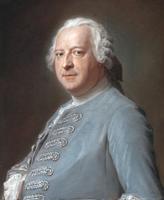
Jean-Charles Garnier
Maurice Quentin de La Tour
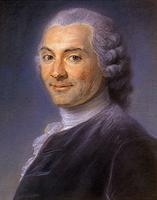
Charles Maron, a lawyer in parliament
Maurice Quentin de La Tour
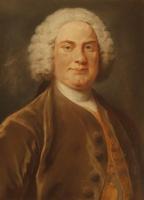
Simon Fanshawe (1716–1777)
William Hoare