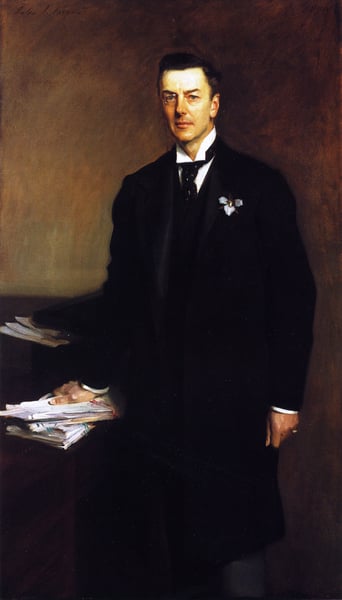
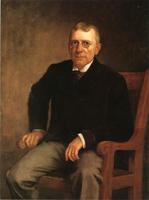
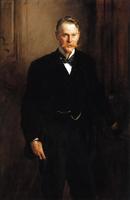
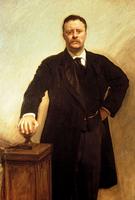
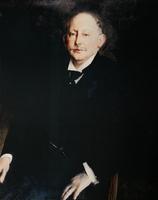
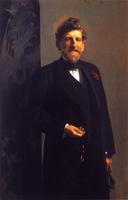
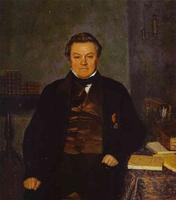
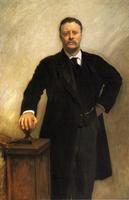
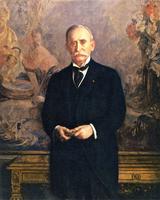
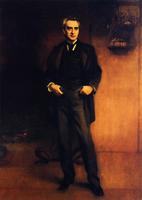
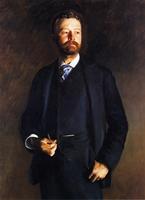
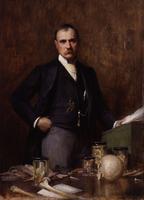
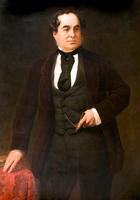
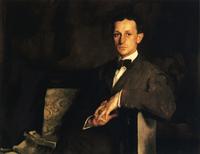
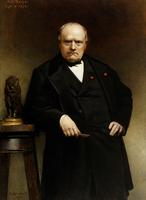
John Singer Sargent’s The Right Honourable Joseph Chamberlain stands as a masterful example of late-19th-century Realist portraiture. Working within the Realist tradition, Sargent goes beyond mere photographic likeness to capture the psychological presence and social stature of his sitter. The portrait’s significance lies in its ability to blend meticulous, almost tactile realism—visible in the rendering of fabric, skin tone, and light—with a penetrating insight into character. Chamberlain, a prominent British statesman, is portrayed with a directness that asserts both his authority and his individuality. Sargent’s command of Realism elevates the portrait genre from a simple record to a study of personality and status, making this work a key example of how Realist techniques could be harnessed to articulate the nuances of power, intellect, and identity in the Gilded Age.