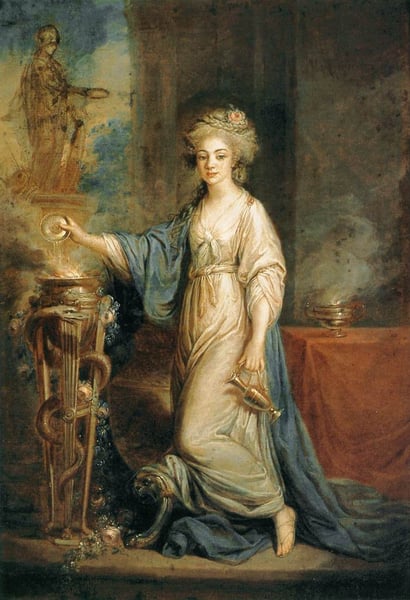
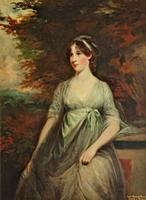
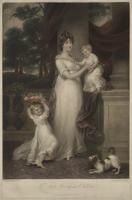
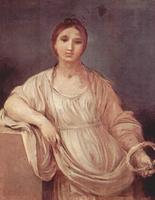
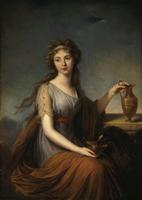
As a Rococo portrait, Angelica Kauffman’s Portrait of a Woman as a Vestal Virgin is significant for its seamless fusion of the period’s characteristic elegance and decorative charm with a classical allegorical conceit. The work exemplifies Rococo portraiture’s tendency to idealize the sitter through graceful poses, soft modeling, and refined color harmonies. However, by presenting the woman as a Vestal Virgin—a symbol of chastity, devotion, and moral purity from ancient Rome—Kauffman elevates the portrait beyond mere likeness into a statement of virtuous character, a Neoclassical nuance that distinguishes this piece within the Rococo idiom. The painting is also notable as a work by one of the few highly successful female artists of the 18th century; Kauffman’s deft handling of both flattering Rococo sensibility and intellectual allegory underscores her role in expanding the portrait genre’s capacity for narrative and symbolic depth.