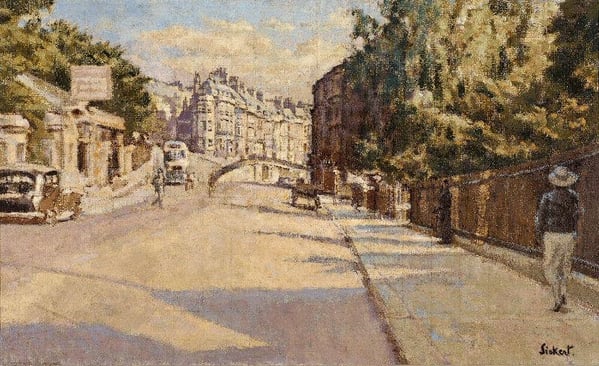
London Street, Bath
Analisi esperta di London Street, Bath di Walter Sickert
Stile: Post-Impressionism · Genere: cityscape
Expert Analysis of "London Street, Bath" by Walter Sickert
As a Post-Impressionist cityscape, Walter Sickert's "London Street, Bath" achieves significance through its deliberate departure from the fleeting light and color of Impressionism, instead embracing a subjective, often somber emotional tone. The work exemplifies the Post-Impressionist tendency to prioritize psychological depth over optical accuracy. By choosing an ordinary urban street—rather than a picturesque or monumental view—Sickert emphasizes the everyday, unglamorous reality of city life. The genre of cityscape, within this period, becomes a vehicle for exploring mood, atmosphere, and the artist’s personal response to his environment. The painting’s power lies in its ability to transform a simple street scene into a potent statement about modern urban experience, marking it as a significant example of how Post-Impressionist artists used familiar subject matter to convey complex emotional and social undercurrents.
Visivamente simili
20 opere con composizione e palette affini
The Boulevard Heloise in Argenteuil
Claude Monet
View of Bath from Belvedere
Walter Sickert
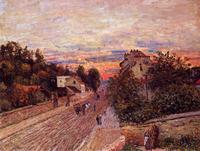
Sunset at Port Marly
Alfred Sisley
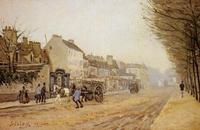
Boulevard Heloise, Argenteuil
Alfred Sisley
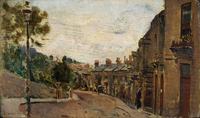
Bath, Berkeley Place
Telemaco Signorini
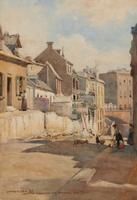
Cambridge St., looking towards the Argyle Cut
Julian Ashton
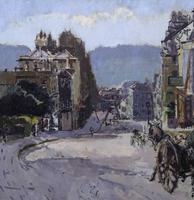
Belvedere, Bath
Walter Sickert
View of the Palais du Metropolitan
Henri Rousseau
The street of Hermitage, Pontoise
Camille Pissarro
Paris, Le Percement De La Rue Réaumur
Maximilien Luce
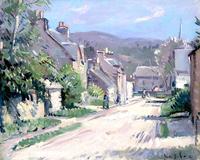
Street in Comrie, Perthshire
Samuel Peploe
Hoddle Street, 10 p.m.
Arthur Streeton
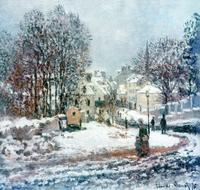
The Grand Street Entering to Argenteuil, Winter
Claude Monet
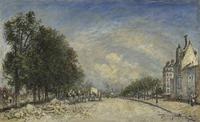
The Boulevard de Port-Royal, Paris
Johan Jongkind
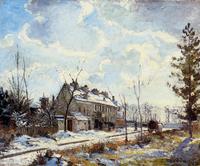
Louveciennes Road Snow Effect
Camille Pissarro
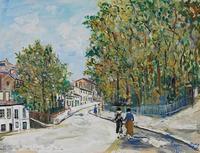
Square Minimes
Maurice Utrillo
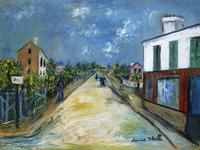
Road in Argenteuil
Maurice Utrillo
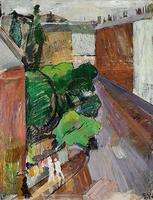
Fra Classensgade, regnvejr
Edvard Weie
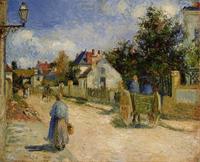
A Street in Pontoise
Camille Pissarro
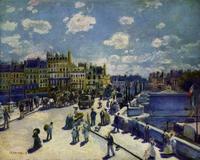
Pont Neuf
Pierre-Auguste Renoir