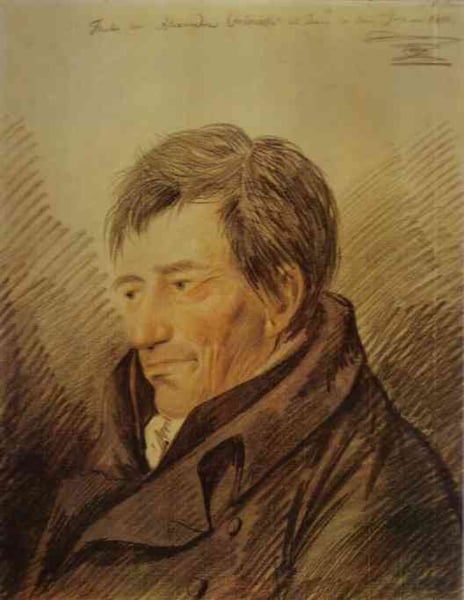
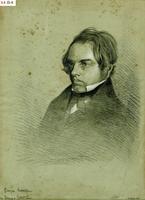
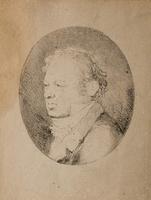
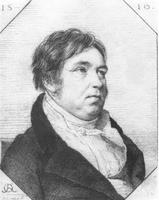
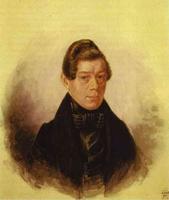
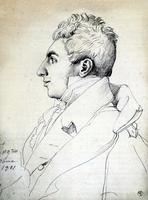
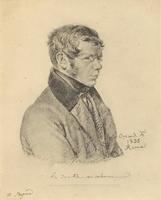
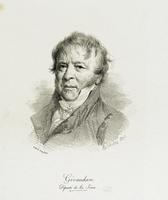
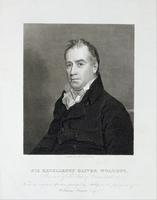
Drawing exclusively from the supplied facts, the significance of Alexander Orlowski’s Portrait of an Italian Composer Muzio Clementi lies in its embodiment of key Romantic ideals through the portrait genre. Within Romanticism, portraiture shifted from mere likeness to a vehicle for capturing the inner life, emotional depth, and individual genius of the sitter. Here, the subject is not just any figure but a renowned composer—Muzio Clementi—whose creative spirit aligns with the Romantic reverence for the artist as a visionary. Orlowski’s treatment likely emphasizes psychological intensity and a sense of dynamism, moving beyond formal representation to suggest the passion and intellect of a musical mind. In the context of Romantic portraiture, this work links the visual and musical arts, celebrating the composer’s individuality and emotional world, making it a compelling example of how the period used portraiture to elevate the artist’s soul above mere documentation.