Expert Analysis: "A Bend in the Eure" by Gustave Loiseau
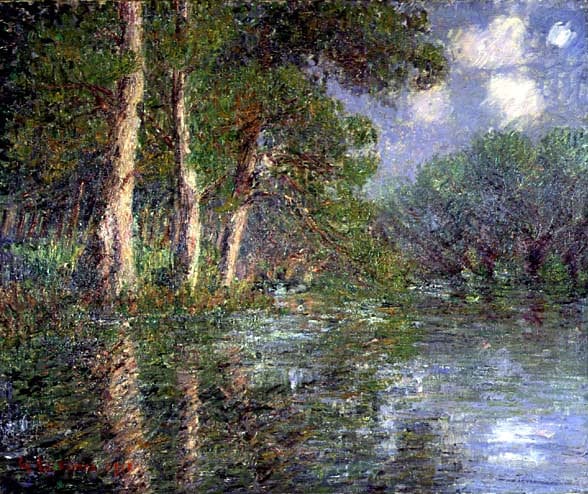
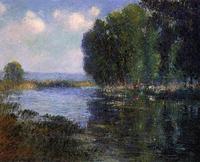
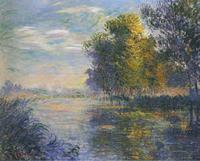
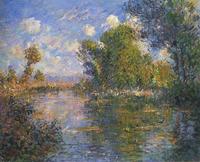
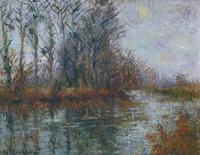
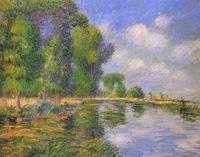
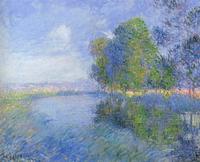
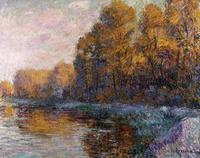
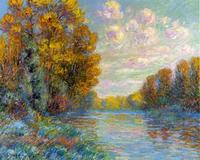
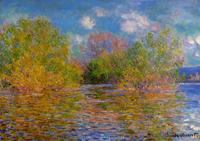
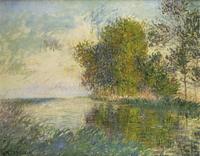
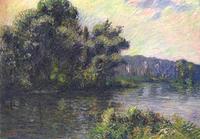
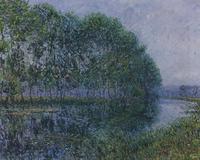
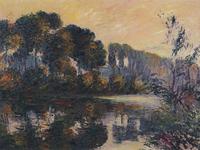
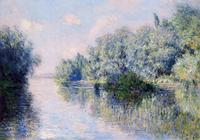
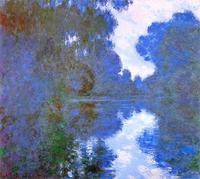
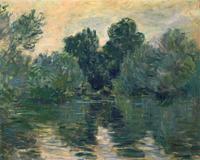
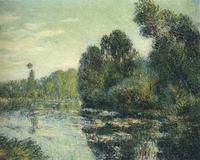
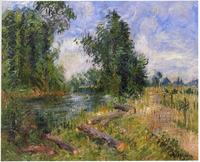
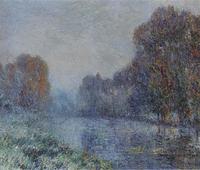
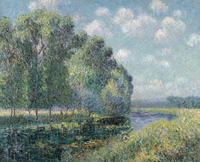
As a Post-Impressionist landscape, A Bend in the Eure demonstrates Gustave Loiseau’s distinctive contribution to the movement: a synthesis of Impressionist color with a more structured, expressive brushwork known as en treillis (lattice-like strokes). This technique—where short, crisscrossing dabs of paint build up the surface—creates a vibrant, tapestry-like texture that captures the shimmering light on water and foliage. The painting’s significance lies in how it moves beyond Impressionism’s direct optical record; Loiseau imposes a rhythmic, almost decorative order on nature, transforming a simple river bend into a pattern of color and motion. His focus on the Eure River in rural France exemplifies his lifelong fascination with specific locales and seasons, often returning to the same motif to explore changing light. This work is representative of Loiseau’s role as a key figure in the bridge between Impressionism and the more subjective, structured approaches of later Post-Impressionists, valuing personal expression over mere visual fidelity.