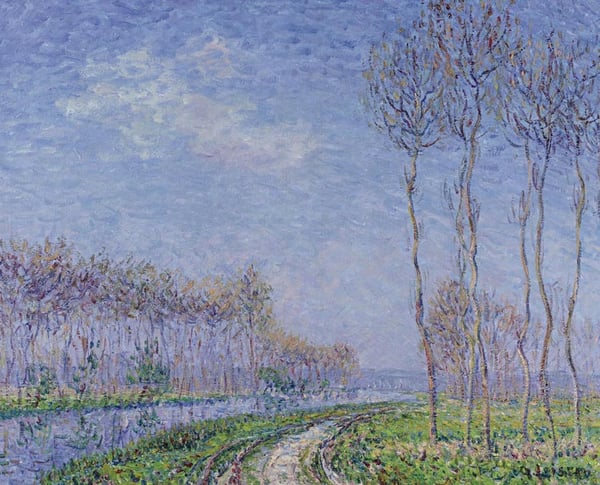
Trees by the River
Expert analysis of Gustave Loiseau’s Trees by the River
Style: Post-Impressionism · Genre: landscape
Expert Analysis: "Trees by the River" by Gustave Loiseau
As a Post-Impressionist landscape, Gustave Loiseau’s Trees by the River exemplifies the movement’s shift from capturing mere visual reality to expressing subjective perception and emotional resonance through structure and color. While the supplied facts are limited, the work’s significance can be understood within the broader context of Loiseau’s distinctive approach to landscape painting.
Post-Impressionist Innovation: Post-Impressionism rejected the naturalism of Impressionism in favor of a more deliberate, personal, and often more structured treatment of nature. Loiseau, a dedicated landscape painter, developed a highly individual technique known as en treillis (“trellis-like”), in which he wove short, crosshatched brushstrokes to build up dense, rhythmic surfaces. This method allowed him to capture the interplay of light, shadow, and atmospheric transience while maintaining a robust, almost woven texture. In Trees by the River, this technique would transform water, foliage, and sky into a unified tapestry of color and movement, emphasizing the artist’s hand and emotional response over topographical accuracy.
Genre Significance: As a landscape, this work aligns with the Post-Impressionist fascination with rural and natural motifs as vehicles for mood and pictorial harmony. Loiseau often painted the Seine and other waterways, focusing on the subtle modulations of light at different times of day and seasons. Trees by the River likely reflects his commitment to directly observing nature while reordering it through expressive color and rhythmic composition—a hallmark of Post-Impressionist landscape painting that bridges Impressionism’s optical concerns with the more symbolic or abstract tendencies of later modernism.
Legacy: Loiseau’s work occupies an important niche within the generation that succeeded the Impressionists. While less revolutionary than Cézanne or Van Gogh, his consistent exploration of structured atmospheric effects and his signature brushwork contributed to the formal vocabulary that would inform Fauvism and early Expressionism. Trees by the River stands as a testament to his dedication to landscape as a lyric, structured, and deeply personal artistic statement.
Visually similar
20 works with related composition and palette
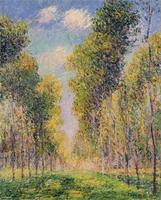
Alley of Poplars
Gustave Loiseau
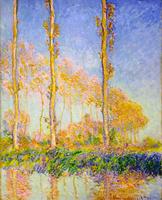
Poplars, Autumn, Pink Effect
Claude Monet
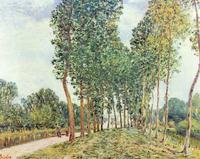
Banks of the Loing at Moret
Alfred Sisley
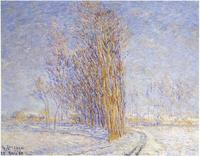
Landscape in Snow
Gustave Loiseau
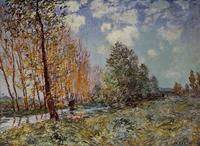
By the River
Alfred Sisley
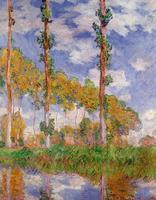
Three Trees in Summer
Claude Monet
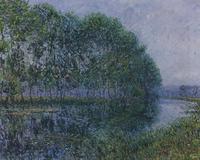
By the Eure River in Summer
Gustave Loiseau
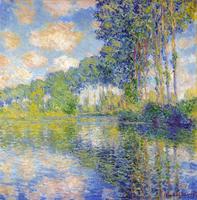
Poplars on the Epte
Claude Monet
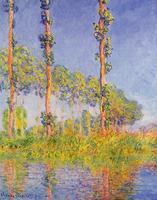
Three Trees, Autumn Effect
Claude Monet
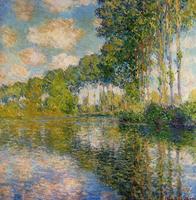
Poplars On The Banks Of The River Epte
Claude Monet
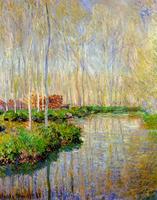
The River Epte
Claude Monet
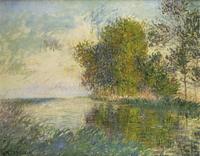
The Normandy River
Gustave Loiseau
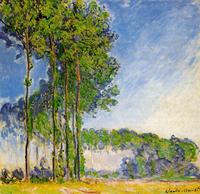
Poplars, View from the Marsh
Claude Monet
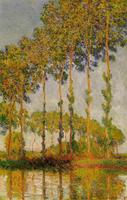
Poplars, Row in Autumn
Claude Monet
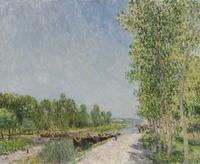
On the Banks of the Loing Canal
Alfred Sisley
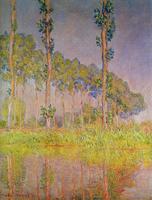
Three Trees in Spring
Claude Monet
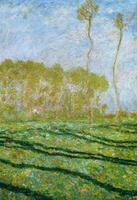
Springtime Landscape at Giverny
Claude Monet
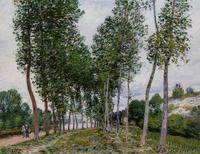
Lane of Poplars on the Banks of the Loing
Alfred Sisley
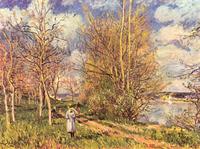
Small Meadows in Spring
Alfred Sisley
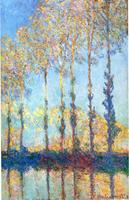
Poplars on the Banks of the Epte
Claude Monet