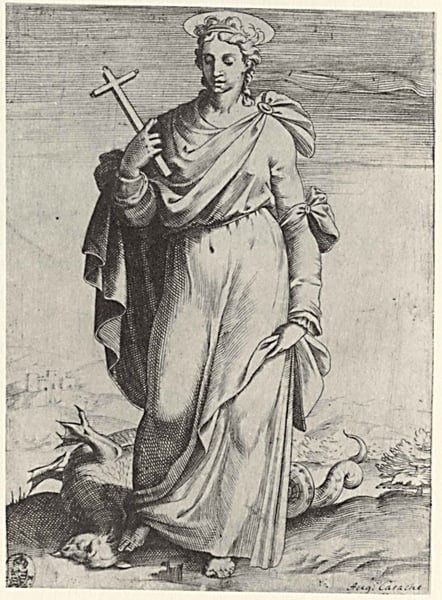
St. Margaret, from the episode "Holy Women"
Ayrıntılar
Agostino Carracci sanatçısının St. Margaret, from the episode "Holy Women" eseri hakkında uzman analizi
Tarz: Baroque · Tür: religious painting
Agostino Carracci’s St. Margaret, from the episode “Holy Women” is a quintessential example of early Baroque religious painting, embodying the period’s shift toward dramatic naturalism, emotional engagement, and dynamic composition. As a member of the influential Carracci family—alongside his brother Annibale and cousin Ludovico—Agostino helped pioneer the Baroque style by synthesizing the grandeur of the High Renaissance with a new, direct immediacy.
What makes this work significant within its style and period is its masterful handling of tenebrism and psychological depth. Carracci likely depicts St. Margaret moments after her triumph over the dragon—a common hagiographic theme—using stark chiaroscuro to heighten the tension between divine grace and earthly struggle. The saint’s serene expression contrasts with the faint, shadowy form of the dragon at her feet, illustrating the Baroque fascination with momentary drama and spiritual transcendence. The composition, with its strong diagonal lines and palpable sense of movement, draws the viewer into the narrative, making the sacred encounter feel visceral and present.
Furthermore, Carracci’s treatment of the figure reflects the Carraccesque reform of painting: a return to nature-based observation, yet infused with idealization. St. Margaret’s flowing drapery and gentle contrapposto recall classical sculpture, while her lifelike skin tones and responsive gaze ground her in human experience. This blend of naturalism and idealism was revolutionary, setting the stage for later Baroque masters like Caravaggio (who absorbed Carracci’s innovations in light) and Guido Reni.
In the context of the “Holy Women” episode, the painting also underscores the Baroque era’s renewed interest in female saints as models of fortitude and faith, offering both a devotional image and a celebration of heroic virtue. Agostino Carracci’s work here is not just a religious picture but a demonstration of how Baroque art could fuse narrative clarity with emotional power, making the sacred immediate and unforgettable.
Görsel olarak benzer
İlişkili kompozisyon ve renk paletine sahip 20 eser
St. Agatha, from the episode "Holy Women"
Agostino Carracci
St. Lucia, from the episode "Holy Women"
Agostino Carracci
Saint John the Evangelist
Bartolomeo Passerotti
St. Catherine, from the episode "Holy Women"
Agostino Carracci
Drawing from the "Tarot" Prudence
Albrecht Durer
Prudentia
Albrecht Durer
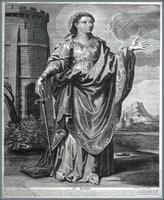
Barbara
Henri Bonnart II
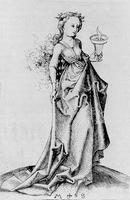
The Second Wise Virgin
Martin Schongauer
Study of Two Women
Domenico Ghirlandaio
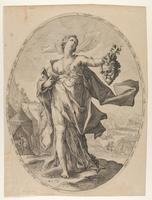
Judith
Hendrick Goltzius
The virgin With The Infant Christ And St. Anne
Albrecht Durer
Jahel
Hendrick Goltzius
Cult of Ceres
Jan Saenredam
Juno
Palma il Giovane
Ceres and Phytalus
Salvator Rosa
Standing Warror with Shield
Salvator Rosa
Saint Philippe
Domenico Beccafumi
Jephthah's Daughter Comes to Meet Her Father
Gustave Dore
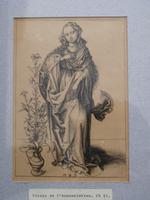
Engraving on copper of the Annunciation
Martin Schongauer
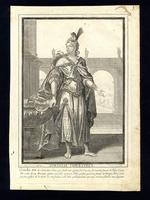
CORNELIA IMPERATRICE
Nicolas Bonnart I