Analysis of "The Second Wise Virgin" by Martin Schongauer
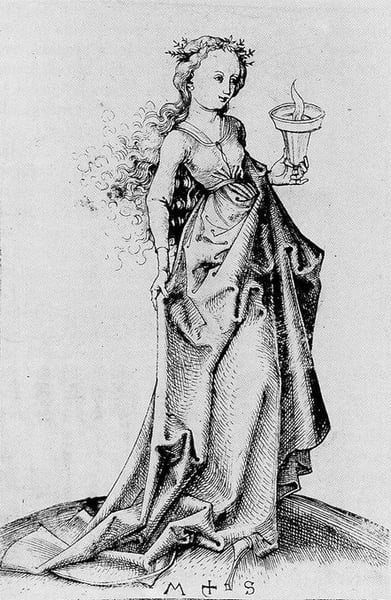
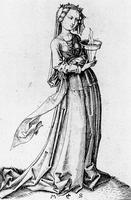
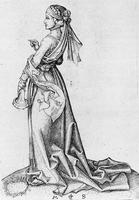
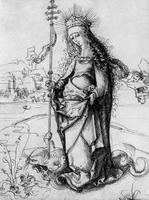
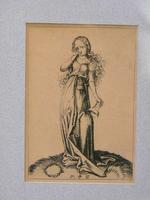
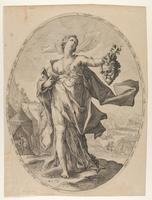
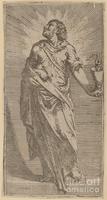
As a Northern Renaissance religious painting, The Second Wise Virgin exemplifies the period’s intense focus on symbolic detail, emotional restraint, and meticulous craftsmanship. Schongauer, a leading German engraver and painter before Dürer, brings to this work the refined linear precision and delicate modeling that characterize his graphic oeuvre. The subject—drawn from the Parable of the Ten Virgins (Matthew 25:1–13)—is a didactic narrative central to late medieval piety: the wise virgins keep their lamps filled with oil, representing spiritual preparedness. In this panel, the virgin’s serene, inward gaze and the careful rendering of her garments and lamp convey a quiet, virtuous dignity.
The significance of this work within the Northern Renaissance lies in its synthesis of late Gothic tenderness with nascent Renaissance naturalism. Schongauer’s treatment of drapery folds, facial features, and symbolic objects (the lamp as a vessel of grace) demonstrates the Northern European obsession with tangible, earthly details that mirror divine truths. Unlike the more dramatic, emotional treatments of the subject by later artists, Schongauer’s composition is balanced and contemplative—a hallmark of his ability to elevate a simple moral lesson into a lasting devotional image. This painting, part of a larger series, also reflects the period’s growing market for intimate, panel-based religious art intended for private worship, marking a shift from monumental church altarpieces to works that speak directly to the individual soul.