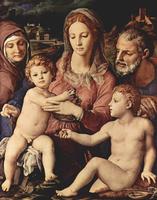
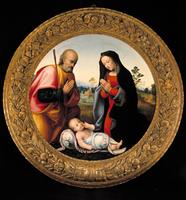
Analysis of "The Adoration of the Magi (detail)" by Andrea Mantegna
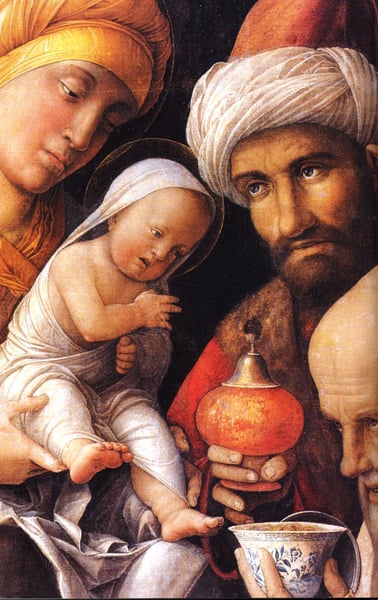
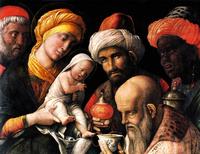
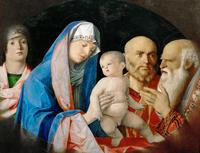
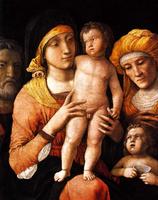
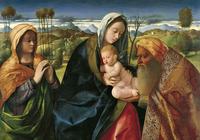
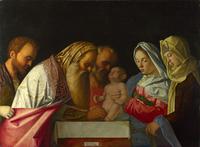
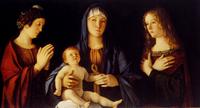
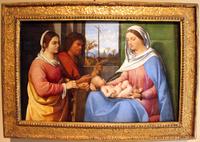
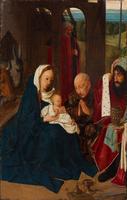
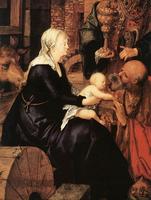
As a High Renaissance religious painting, this detail from Mantegna’s work exemplifies the period’s synthesis of naturalism, classical order, and spiritual gravitas. The artist’s treatment of the Magi’s adoration is significant for its rigorous perspectival construction—a hallmark of High Renaissance composition—which draws the viewer’s eye directly to the Christ Child, reinforcing the theological centrality of the Incarnation. Mantegna’s attention to anatomical precision and the tactile rendering of fabrics and precious gifts demonstrates the era’s commitment to verisimilitude, while the solemn, restrained expressions of the figures elevate the moment from mere narrative to timeless meditation. This detail, through its compressed composition and sharp, almost sculptural modeling, encapsulates the High Renaissance ideal of balancing humanist naturalism with divine transcendence, making it a quintessential example of how religious painting served both devotional and intellectual purposes.