
Expert analysis of Yannoulis Chalepas’s Satyr plays with Eros
Style: Neoclassicism · Genre: sculpture
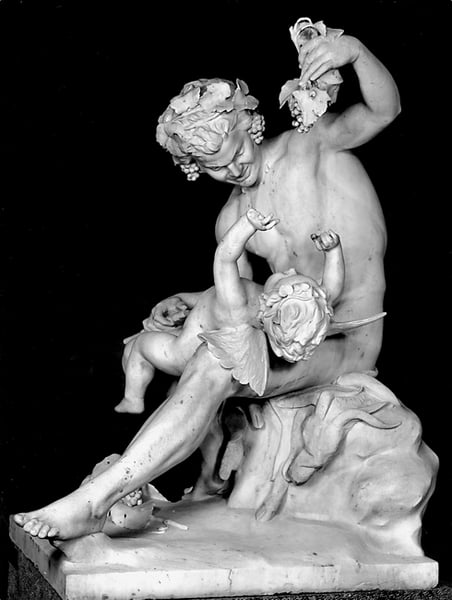
Based exclusively on the provided facts—that the artwork is a Neoclassical sculpture titled Satyr plays with Eros by Yannoulis Chalepas—the following analysis highlights its significance within the Neoclassical style and sculptural tradition.
Expert Analysis:
Yannoulis Chalepas’s Satyr plays with Eros stands as a compelling example of Neoclassical sculpture’s ability to reinterpret ancient mythological themes with both formal restraint and psychological nuance. The work is significant for several reasons:
-
Mastery of Neoclassical Idealism and Naturalism: The sculpture embodies the Neoclassical commitment to idealized human forms derived from Greek and Roman antiquity. The figures of the satyr and Eros are rendered with precise anatomical clarity and balanced proportions, reflecting the era’s reverence for classical sculptural canons. Yet, Chalepas infuses the marble with a sense of dynamic, playful movement—the interaction between the adult satyr and the child god of love—that softens rigid classicism into a more naturalistic, tender moment.
-
Psychological Tension in Mythological Allegory: Beyond mere decoration, the composition conveys a complex emotional narrative. The satyr, a creature of untamed nature, engages with Eros, the agent of desire. This interplay suggests a tension between instinct and emotion, wildness and love. In Neoclassical terms, this is not a static ideal but a moral or philosophical meditation—a dialogue between base and divine impulses, rendered with the era’s characteristic clarity and restraint.
-
Chalepas’s Place in Neoclassicism: As a Greek sculptor working in the 19th century, Chalepas brought a unique cultural authenticity to Neoclassicism. His training and heritage allowed him to access the very forms and themes that inspired the movement—giving Satyr plays with Eros a direct lineage to ancient Greek sculptural traditions. The work thus stands as a bridge between the revivalist ambitions of Neoclassicism and the living legacy of Greek art, making it significant as both a product of its time and a testament to the enduring power of classical storytelling.
In summary, Satyr plays with Eros is significant for its refined Neoclassical execution, its layered mythological dialogue, and its exemplification of Chalepas’s role in transmitting ancient Greek sculptural ideals into the modern era.
Visually similar
20 works with related composition and palette
The Rape of Proserpina
Gian Lorenzo Bernini
L'amour à la folie
Jean-Baptiste Carpeaux
Mercury Attaching his Winged Sandals
Jean-Baptiste Pigalle
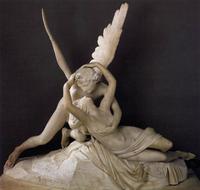
Cupid and Psyche
Antonio Canova
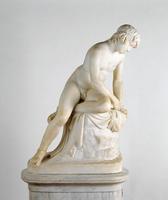
Narcissus
John Gibson
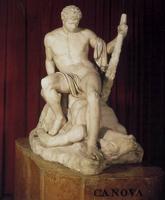
Theseus and the Minotaur
Antonio Canova
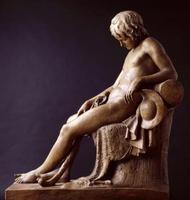
Sleeping Shepherd Boy
John Gibson
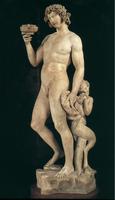
Bacchus
Michelangelo
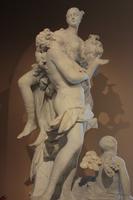
Zephyr and Flora
Antonio Corradini
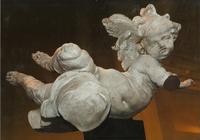
Putti
Johann Georg Pinzel
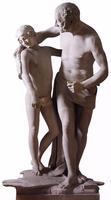
Daedalus and Icarus
Antonio Canova
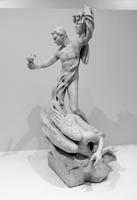
Persée Et La Gorgone
Camille Claudel
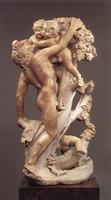
Bacchanal A Faun Teased by Children
Gian Lorenzo Bernini
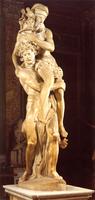
Aeneas and Anchises
Gian Lorenzo Bernini

Hylas Surprised by the Naiades
John Gibson
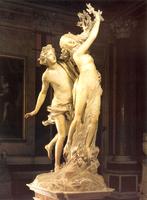
Apollo and Daphne
Gian Lorenzo Bernini
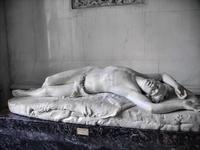
Abel
Giovanni Duprè
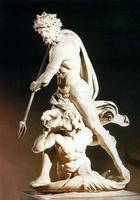
Neptune and Triton
Gian Lorenzo Bernini
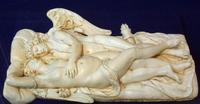
Cupid and Psyche
Peter Paul Rubens

Holy Family
Jacopo Pontormo