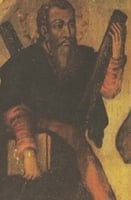
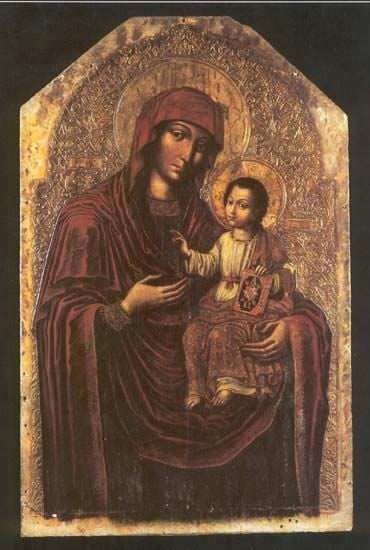
Icon of the Mother of God from the Maniava Hermitage iconostasis
Ayrıntılar
Yov Kondzelevych sanatçısının Icon of the Mother of God from the Maniava Hermitage iconostasis eseri hakkında uzman analizi
Tarz: Baroque · Tür: religious painting, icon
Expert Art Historical Analysis: "Icon of the Mother of God from the Maniava Hermitage Iconostasis" by Yov Kondzelevych
This work exemplifies the unique fusion of Eastern Orthodox iconographic tradition with the dramatic energy of the Baroque—a hallmark of the Ukrainian Baroque school that flourished in the late 17th and 18th centuries. Painted by Yov Kondzelevych, a leading master of the Zhovkva icon-painting workshop, this icon was originally part of the iconostasis of the Maniava Hermitage, a significant center of monastic and artistic activity in the Carpathian region.
Significance within Style and Period:
-
Synthesis of Sacred and Dynamic Form: Unlike the static, hieratic figures of earlier Byzantine icons, Kondzelevych infuses the Mother of God with a subtle yet palpable sense of movement and emotional immediacy. The drapery folds, the slight tilt of the head, and the tender interaction with the Christ child reflect the Baroque interest in naturalism and dramatic expression—while still adhering to the strict theological symbolism of Orthodox iconography (e.g., the Hodegetria or Eleousa type). This makes the icon a pivotal example of how Baroque aesthetics were adapted to serve devotional intensity rather than merely decorative flourish.
-
Color and Light: The palette transitions from deep, luminous earth tones to vibrant, almost metallic highlights—a technique known as svitlo (light) in Ukrainian icon painting. This manipulation of light, reminiscent of chiaroscuro in Western Baroque, creates a sense of divine radiance emanating from the figures themselves, drawing the viewer into a contemplative encounter with the sacred.
-
Iconostasis as Integrated Masterpiece: The icon did not exist in isolation but was part of a larger iconostasis—a multi-tiered screen separating the nave from the sanctuary. Kondzelevych’s work for the Maniava Hermitage iconostasis is celebrated for harmonizing traditional Byzantine programmatic arrangement with Baroque ornamental vigor (e.g., carved gilded frames, floral motifs). This icon, therefore, is significant not merely as a standalone image but as a component of a unified liturgical ensemble that sought to elevate the worshiper’s experience through sensory richness.
-
Regional Identity: The Maniava Hermitage (also known as Manyavsky Skyt) was a bastion of Orthodox spirituality in the Carpathian region during a period of intense Catholic and Uniate pressure. Kondzelevych’s icon represents a deliberate cultural and theological statement: it adapts the visual language of the Baroque—then associated with Western Catholicism—while steadfastly maintaining Eastern Orthodox iconographic norms. This synthesis underscores the adaptive resilience of Ukrainian religious art, making the work a key document of cultural identity and artistic innovation.
In sum, this icon is significant because it bridges two worlds: the austere, timeless realm of Byzantine iconography and the emotive, dynamic space of the Baroque. It stands as a testament to Yov Kondzelevych’s ability to transform a traditional devotional image into a living, breathing encounter with the divine, without sacrificing its liturgical purpose.
Görsel olarak benzer
İlişkili kompozisyon ve renk paletine sahip 20 eser
Virgin with Child
Orthodox Icons
Icon of the Mother of God from the Bilostok Monastery iconostasis
Yov Kondzelevych
Our Lady of Providence
Orthodox Icons
Madonna and Child (no. 593)
Duccio
Madonna
Duccio
Our Lady of Elias, Chernihiv
Orthodox Icons
Madonna and Child
Duccio
Madonna with Child
Cimabue
Virgin Psychosostria Ohrid
Orthodox Icons
Theotokos Hodegetria (back side of Saint George icon)
Orthodox Icons
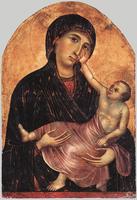
Madonna and Child
Duccio
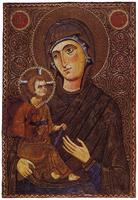
Mary and the Child (Hodegetria)
Orthodox Icons
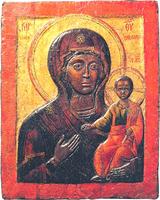
Blachernitissa (Theotokos of Blachernae)
Orthodox Icons
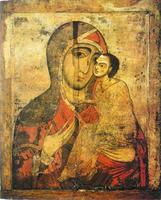
Theotokos of Tenderness of Staraya Russa
Orthodox Icons
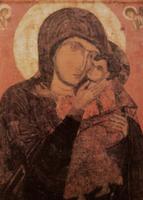
Panagia Glykofiloussa (The Sweet Kissing Madonna)
Orthodox Icons
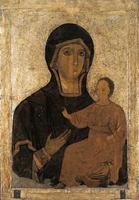
Hodegetria of Ryazan
Orthodox Icons
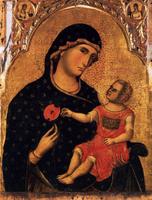
Madonna of the Poppy
Paolo Veneziano
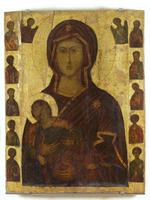
Virgin with Apostles and Saints
Orthodox Icons
Madonna of Crevole
Duccio
Virgin and Child
Cimabue