Expert analysis of Anne Truitt’s 17th Summer
Style: Minimalism · Genre: sculpture
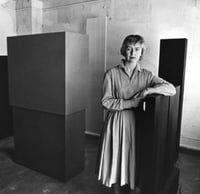
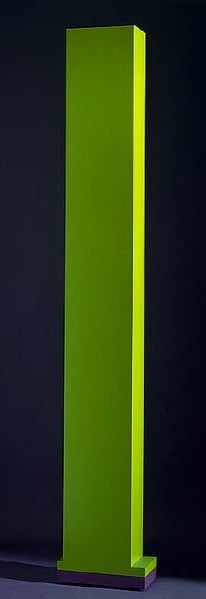
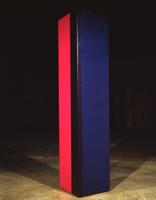
"17th Summer" by Anne Truitt is a significant work within the Minimalist movement, a style that emerged in the 1960s emphasizing simplicity, geometric form, and a focus on the object's physical presence. As a sculpture by Truitt, it exemplifies her unique contribution to Minimalism: the integration of vibrant, carefully applied color with clean, architectonic shapes. Unlike the industrial, often monochrome works of some of her male contemporaries, Truitt’s sculptures—typically vertical columns or beams—are hand-painted in subtle, layered hues that evoke emotional and perceptual responses. "17th Summer" likely continues this practice, using color not as mere surface decoration but as an essential structural element that interacts with light and space. The work’s significance lies in how it expands Minimalism’s vocabulary by introducing a personal, painterly sensibility while maintaining the movement’s commitment to reductive form and the phenomenological experience of the viewer. Truitt’s sculptures become vessels for memory and sensation, making "17th Summer" a key example of how Minimalist art can bridge formal austerity with evocative presence.
Visually similar
20 works with related composition and palette
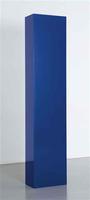
Kian
John McCracken
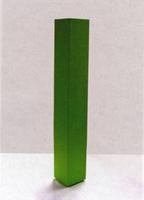
Parva LXX
Anne Truitt
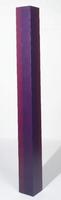
Toth
Anne Truitt
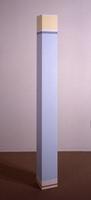
Prima
Anne Truitt
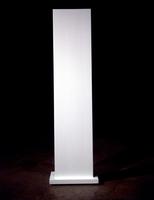
One
Anne Truitt
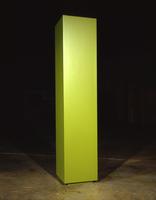
Pith
Anne Truitt
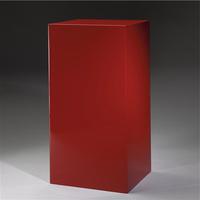
Mineral
John McCracken
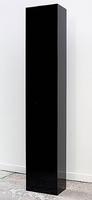
Energy
John McCracken
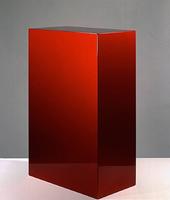
Sangre
John McCracken
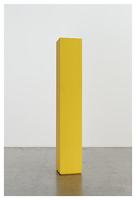
Sun Flower
Anne Truitt
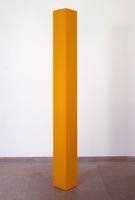
Swannanoa
Anne Truitt
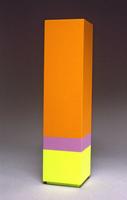
Parva XXIX
Anne Truitt
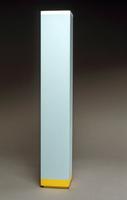
Parva XXVIII
Anne Truitt
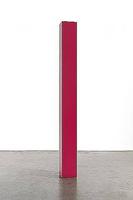
Return
Anne Truitt
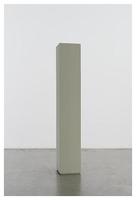
Twilight Fold
Anne Truitt
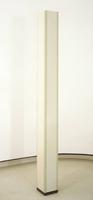
Sentinel
Anne Truitt
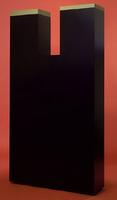
Keep
Anne Truitt
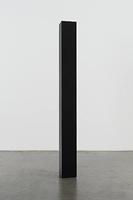
Twining Court II
Anne Truitt
Quipe
Anne Truitt
Flash
John McCracken