Экспертный разбор работы «Acheron» художника Norman Bluhm
Стиль: Lyrical Abstraction · Жанр: abstract
Analysis of Acheron by Norman Bluhm
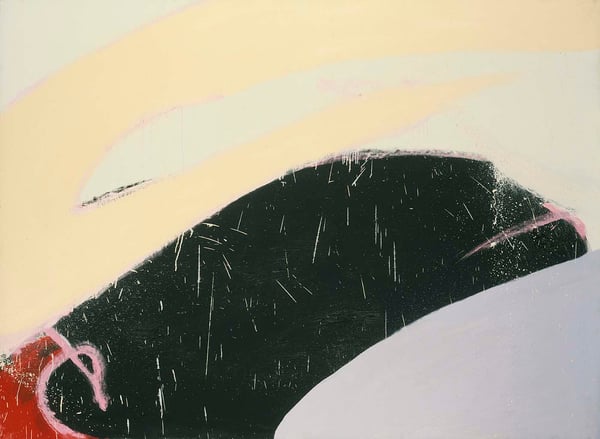
Norman Bluhm’s Acheron stands as a compelling example of Lyrical Abstraction, a movement that emerged in the 1960s as a counterpoint to the rigid formalism of Minimalism and the raw aggression of Abstract Expressionism. The title—referencing the Greek river of woe and the underworld—immediately introduces a narrative, mythic dimension, yet Bluhm’s treatment remains entirely non-representational, channeling emotion through pure color and gesture.
Significance within Lyrical Abstraction:
- Emphasis on chromatic energy: Unlike the monochromatic or austere palettes of contemporaneous movements, Acheron likely exploits saturated, vibrating hues that evoke a sense of fluidity and psychological depth. Bluhm’s work aligns with Lyrical Abstraction’s prioritization of emotional resonance over structure, using color as a direct conduit for feeling.
- Gestural brushwork with a poetic twist: Whereas Abstract Expressionists like Pollock emphasized explosive, often aggressive action, Bluhm’s gestures here are more controlled and allusive. The sweeping arcs and washes of paint suggest movement through water or air—fitting for a work named after a river—but never dissolve into literal depiction. This balance between spontaneity and refined composition typifies Lyrical Abstraction’s goal: to make the abstract feel personal, lyrical, even musical.
- A bridge between personal myth and abstraction: By invoking Acheron, Bluhm roots his abstract vocabulary in classical mythology, a tactic common among Lyrical Abstractionists who sought to infuse non-objective painting with literary or spiritual subtext. The canvas becomes a site where ancient tragedy is transformed into pure visual sensation—a meditation on loss, flux, and the sublime.
In the broader context of late modernism, Acheron demonstrates how Lyrical Abstraction asserted that abstract painting could still carry profound narrative weight without succumbing to figuration. Bluhm’s mastery lies in making the viewer feel the river’s current and the underworld’s shadow through nothing but paint and gesture—no small achievement in an era skeptical of emotive abstraction.
Визуально похожие
20 работ с близкой композицией и палитрой
Erythea
Norman Bluhm
Thamyris
Norman Bluhm
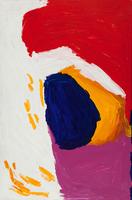
My Father’s Country
Sally Gabori
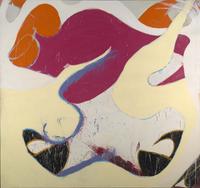
Dido
Norman Bluhm
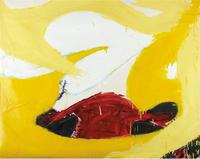
Untitled
Norman Bluhm
Pintura 222/60
Joan Hernandez Pijuan
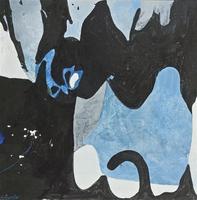
Erberon
James Brooks
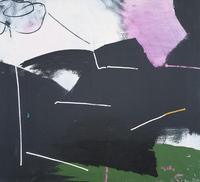
Ipswich
James Brooks
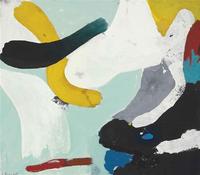
Gralee
James Brooks
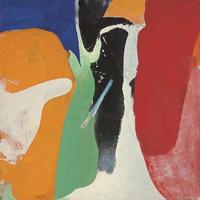
Quinlan
James Brooks
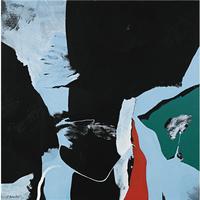
Panah
James Brooks
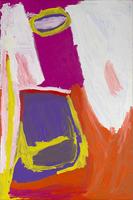
Dibirdibi Country – Topway
Sally Gabori
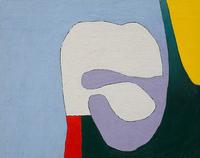
Free & Easy
Frederick Hammersley
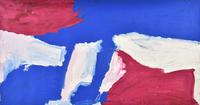
Dibirdibi Country
Sally Gabori
Rumeurs des villes
Mario Cesariny
Still life on the yellow
Istvan Molnar
My Country
Sally Gabori
Agway
James Brooks
Dibirdibi Country
Sally Gabori
My Country
Sally Gabori