Analisi esperta di Pheasant on Branch di Ohara Koson
Stile: Shin-hanga · Genere: bird-and-flower painting
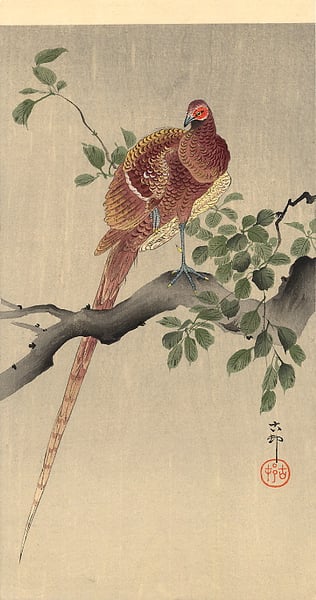
Expert Analysis: "Pheasant on Branch" by Ohara Koson
Style & Period Context
Ohara Koson (1877–1945) was a leading figure in the Shin-hanga ("New Print") movement, which revitalized traditional ukiyo-e themes in the early 20th century by incorporating Western naturalism, soft atmospheric effects, and a heightened sense of texture. This work belongs to the kachō-e (bird-and-flower) genre, a longstanding Japanese artistic tradition, but Koson elevates it with meticulous observation and a refined, almost scientific precision.
Composition & Technique
The artwork achieves a delicate balance between literal realism and decorative harmony. The pheasant, likely a male with iridescent plumage, is perched on a branch that curves dynamically across the composition—a classic asymmetrical Japanese arrangement. Koson’s use of subtle gradations of color (typical of Shin-hanga woodblock printing) gives the bird’s feathers a soft, organic feel, while the branch and leaves are rendered with crisp outlines, avoiding the flatness of older ukiyo-e. The background is often kept minimal or atmospheric, focusing attention on the bird’s posture and the texture of its feathers.
Significance
-
Bridging Traditions: Koson synthesized the Edo-period kachō-e masters (like Hokusai and Hiroshige) with Western-derived chiaroscuro and naturalistic anatomy. The pheasant is not merely an emblematic symbol (as in earlier prints) but a scientifically observed creature, shown in a characteristic pose—perhaps turning its head to preen or scan its surroundings.
-
Mastery of Medium: In Shin-hanga, the artist collaborated closely with carvers and printers to achieve nuanced color registration. Koson’s Pheasant on Branch demonstrates expert control of bokashi (color gradation), especially in the bird’s tail feathers and the subtle shadows beneath the branch, lending volume without sacrificing the graphic clarity of Japanese printmaking.
-
Cultural Resonance: The pheasant (kiji) is a Japanese national bird, often associated with beauty and vigilance. Koson’s depiction respects this cultural significance while elevating it to a universal appreciation of nature. His work popularized kachō-e among Western collectors in the early 1900s, helping to define the international image of Japanese art as both delicate and dynamic.
Legacy
Pheasant on Branch exemplifies Koson’s ability to make the familiar bird-and-flower theme feel fresh and intimate. It stands as a testament to Shin-hanga’s success in merging modernist print techniques with classical Japanese aesthetics, ensuring that works like this remain iconic for their quiet, precise beauty and technical virtuosity.
Visivamente simili
20 opere con composizione e palette affini
Pheasants on the snow
Ohara Koson
Pheasant in Flight
Ohara Koson
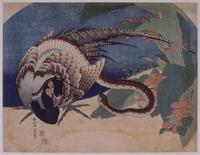
Pheasant and Snake
Katsushika Hokusai
Quail over the forest
Ohara Koson
Reeve's Pheasants
Charles Tunnicliffe
Lady Amherst's Pheasants
Charles Tunnicliffe
Golden Pheasant and Cotton Rose Flowers
Emperor Huizong
Pheasants
Francis Barlow
Manga
Katsushika Hokusai
Reeves Pheasant
Joseph Wolf
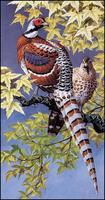
Elliot's Pheasants
Charles Tunnicliffe
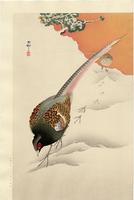
A Pair of Pheasants in the Snow
Ohara Koson
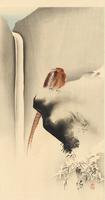
Copper Pheasant in Snow
Ohara Koson
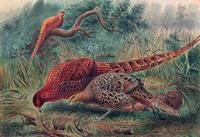
Soemmerring’s Pheasant
Joseph Wolf
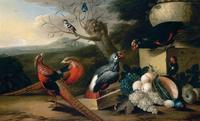
Parkland Setting with Birds
Tobias Stranover
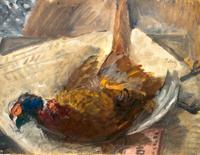
Pheasant
Theodor Pallady
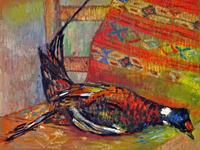
Pheasant
George Stefanescu
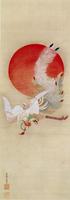
Phoenix and Sun
Ito Jakuchu
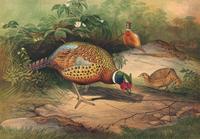
The Chinese Pheasant
Joseph Wolf
Birds from "Codex Seraphinianus"
Luigi Serafini