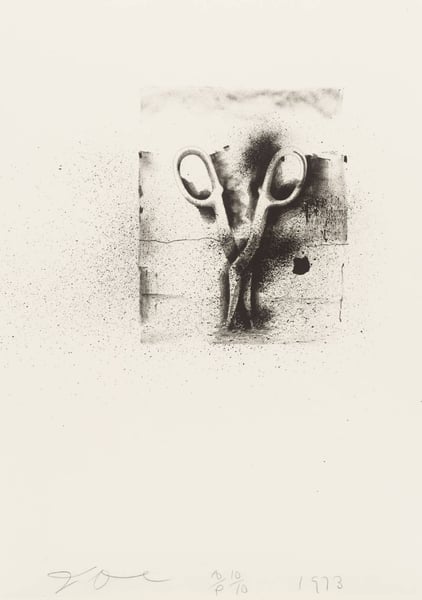
Analisi esperta di Untitled (From Ten Winter Tools) di Jim Dine
Stile: Neo-Dada · Genere: figurative
Expert Analysis: "Untitled (From Ten Winter Tools)" by Jim Dine
As a work within the Neo-Dada movement, Jim Dine’s Untitled (From Ten Winter Tools) exemplifies the style’s core mission: to subvert traditional artistic hierarchies by elevating mundane, mass-produced objects to the status of fine art. Neo-Dada, emerging in the late 1950s and early 1960s, rejected the emotional depth of Abstract Expressionism and the purity of formalist abstraction in favor of irony, absurdity, and a direct engagement with everyday life. Dine’s choice of figurative representation—here, a single tool from a series of winter implements—is not a neutral depiction but a deliberate provocation. By isolating and foregrounding a utilitarian object (likely a shovel, axe, or similar tool), Dine forces the viewer to confront the object’s physicality and symbolic weight outside its functional context.
The significance of this work lies in its conflation of objecthood and personal narrative. Unlike Marcel Duchamp’s readymades, which were unaltered found objects, Dine often presents tools with painterly or drawn gestures, embedding them in a handmade aesthetic that retains the artist’s touch. The “Ten Winter Tools” series amplifies the Neo-Dada fascination with seriality and repetition (akin to Warhol’s soup cans or Johns’ flags), but Dine infuses each tool with a specific seasonal connotation: winter. This contextual cue transforms the tool from a generic implement into a remembered or inhabited object—one associated with labor, cold, survival, or childhood memory. The series thus bridges the ironic detachment of Neo-Dada with the autobiographical impulse that would later inform Pop Art’s engagement with mass culture.
Furthermore, Dine’s figurative approach within Neo-Dada represents a critical counterpoint to the movement’s more overtly conceptual or anti-art gestures. Where artists like Rauschenberg and Johns used found objects to blur the line between painting and sculpture, Dine’s drawn or painted tools retain a representational clarity that makes the strangeness of their isolation all the more potent. The work’s significance is ultimately its ability to make the familiar uncanny, compelling the viewer to re-encounter a winter tool not as a passive artifact but as a charged, ambiguous sign—one that speaks to labor, time, and the quiet poetry of the everyday.
Visivamente simili
20 opere con composizione e palette affini
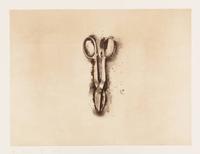
Tinsnip
Jim Dine
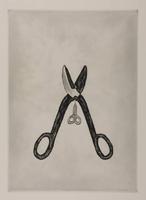
Scissors
Louise Bourgeois
Stop AIDS
Keith Haring
Scissors and Lemon, II
Richard Diebenkorn
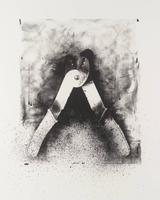
Untitled (From Ten Winter Tools)
Jim Dine
Untitled
Louise Bourgeois
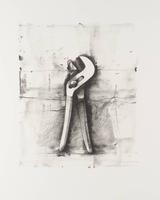
Untitled (from Ten Winter Tools)
Jim Dine
Gémeaux
Jules Perahim

Scissor
Zaya
Gardener's Gloves and Shears
Marsden Hartley
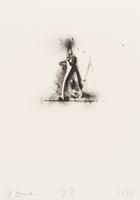
Untitled (From Ten Winter Tools)
Jim Dine
Workbox
Olga Rozanova
Tool Box 2
Jim Dine
Christmas Eve
Małgorzata Serwatka
Exlibris of Hnatyshak
Oleksandr Aksinin
Zátiší s nůžkami
Josef Capek
Nutcracker
Jim Dine
Claws in Claw
Kukryniksy
Delegate
Alexander Roitburd
Front Cover
Aubrey Beardsley