
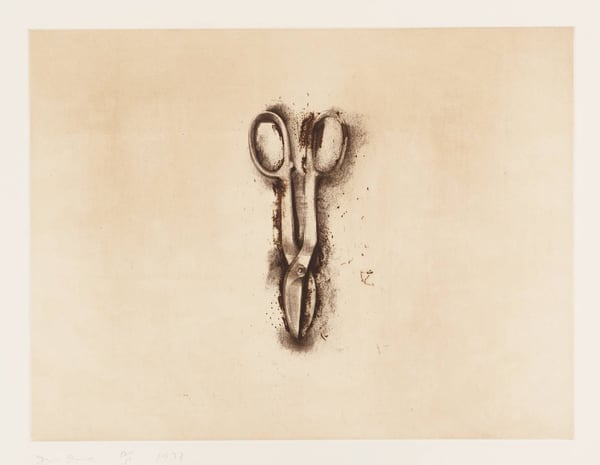
Expert analysis of Jim Dine’s Tinsnip
Style: Neo-Dada · Genre: figurative
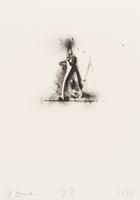
"Tinsnip" by Jim Dine is a significant work within the Neo-Dada movement, embodying the era’s subversive reimagining of everyday objects through a fine art lens. As a figurative piece, it centers on a tinsnip—a common cutting tool—but elevates it beyond mere representation. Dine’s characteristic blend of gestural, expressive mark-making with the blunt familiarity of a utilitarian object disrupts traditional boundaries between abstract expressionism and pop art. The work’s importance lies in how it challenges the viewer to find meaning and emotional resonance in a mundane, functional item, a core Neo-Dada strategy that questions the sanctity of artistic subject matter. By isolating the tinsnip as a figural motif, Dine infuses it with a raw, almost anthropomorphic presence, creating a tension between the object’s inherent utility and its transformation into a symbol of human labor, creativity, or even aggression. This duality—both personal and impersonal, handmade and industrial—makes "Tinsnip" a compelling example of Neo-Dada’s critical engagement with consumer culture and the commodification of art.
Visually similar
20 works with related composition and palette
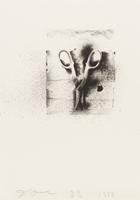
Untitled (From Ten Winter Tools)
Jim Dine
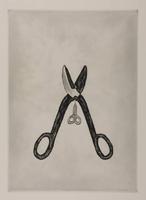
Scissors
Louise Bourgeois
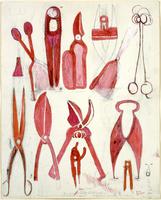
Untitled
Louise Bourgeois
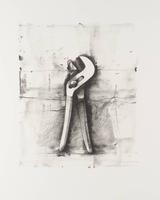
Untitled (from Ten Winter Tools)
Jim Dine
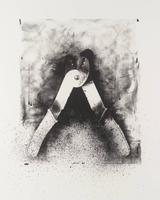
Untitled (From Ten Winter Tools)
Jim Dine
Gardener's Gloves and Shears
Marsden Hartley
Scissors and Lemon, II
Richard Diebenkorn
Untitled (From Ten Winter Tools)
Jim Dine
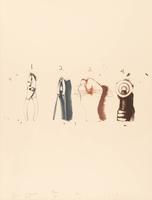
Nutcracker
Jim Dine
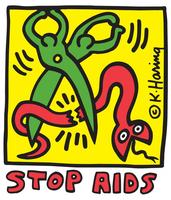
Stop AIDS
Keith Haring
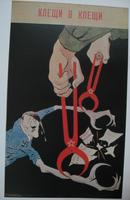
Claws in Claw
Kukryniksy
Tool Box 2
Jim Dine
Workbox
Olga Rozanova
Gémeaux
Jules Perahim

Scissor
Zaya
Tools
Vitaly Volkov
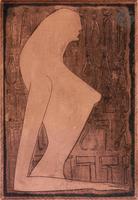
Bare Woman in Profile and Tools
Anton Prinner
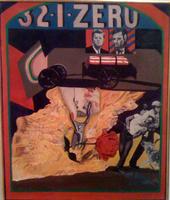
Countdown to Violence
Pauline Boty
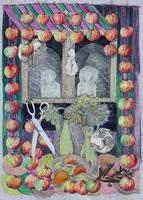
Christmas Eve
Małgorzata Serwatka
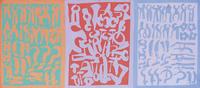
Settori
Carla Accardi