Kees van Dongen sanatçısının La Gitane (La Curieuse) eseri hakkında uzman analizi
Tarz: Fauvism · Tür: portrait
Expert Analysis: "La Gitane (La Curieuse)" by Kees van Dongen
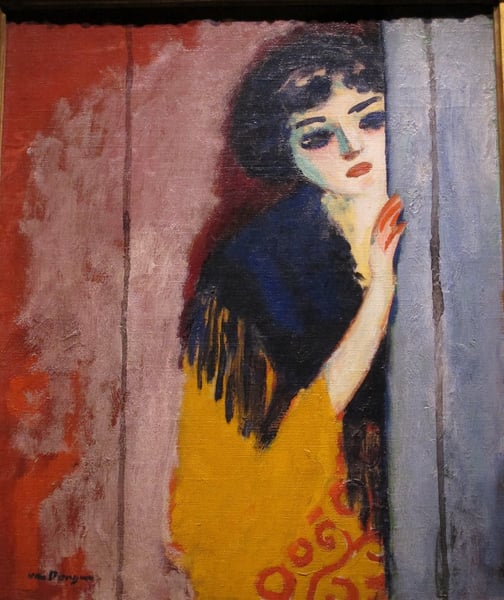
As an expert in early 20th-century art, I would highlight that Kees van Dongen’s La Gitane (La Curieuse) is a quintessential Fauvist portrait that exemplifies the movement’s radical departure from naturalistic representation. Painted during the height of Fauvism (roughly 1905–1910), the work showcases the artist’s signature audacity with color and his fascination with modern, cosmopolitan femininity.
Significance within the Fauvist Movement:
-
Expressive, Non-Naturalistic Color: True to Fauvist principles, van Dongen applies pure, unmodulated hues directly from the tube, ignoring local color. The skin tones of the sitter—likely a model or performer—are painted in vibrant oranges, pinks, and greens, while the background is a flat, saturated field of blue or red. This chromatic boldness creates an emotional intensity that captures the sitter’s enigmatic presence rather than her literal appearance.
-
Simplified, Graphic Forms: The portrait is built with broad, sweeping brushstrokes and stark outlines, reducing the face and figure to essential shapes. The large, dark eyes and exaggerated features lend the subject a theatrical, almost mask-like quality—a hallmark of van Dongen’s style. This simplification aligns with the Fauvist interest in primal, direct expression, drawing on influences from African and Oceanic art, as well as the raw energy of folk art.
-
Themes of Modernity and the Exotic: The title La Gitane (the Gypsy) or La Curieuse (the Curious One) hints at van Dongen’s fascination with the bohemian, the outsider, and the allure of the demi-monde. His portraits often depicted actresses, dancers, and courtesans, reflecting the vibrant nightlife of Paris. Here, the sitter’s direct gaze and slightly tilted head suggest a confident, knowing curiosity—an embodiment of the modern woman who is both subject and object of the viewer’s gaze.
-
Van Dongen’s Distinctive Contribution: Unlike Matisse’s more decorative or Derain’s structured Fauvism, van Dongen infused his portraits with a sense of glamour and provocation. His use of color is both sensual and confrontational, making the portrait not just a likeness but a psychological statement. The painting’s raw, almost garish palette and the sitter’s unapologetic presence anticipate the later Expressionist and even Pop Art sensibilities.
In summary, La Gitane (La Curieuse) is significant because it condenses the Fauvist revolution into a single portrait: the triumph of color over description, the embrace of modern urban energy, and the elevation of the portrait genre into a vehicle for raw, emotional impact. Van Dongen’s work remains a vibrant testament to how Fauvism liberated painting from convention, and this piece is a striking example of his ability to blend artistic radicalism with commercial chic.
Görsel olarak benzer
İlişkili kompozisyon ve renk paletine sahip 20 eser
Study of a Woman
Pierre-Auguste Renoir
Hungarian Shawl
Agnes Goodsir
Portrait of a Lady in White (unfinished)
Gustav Klimt
Gertie With Fur Coat
Isaac Israels
Portrait of a Woman
Arshile Gorky
Girl with blue scarf
Gustave de Smet
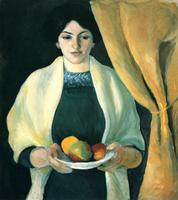
Portrait with apples (Portrait of the Artist's Wife)
August Macke
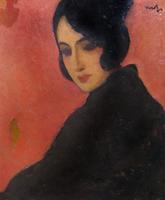
Spanish Woman
Nicolae Tonitza
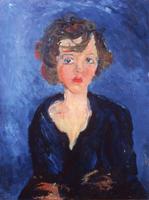
Polish Girl
Chaim Soutine
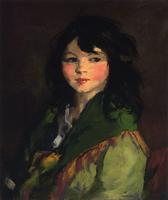
Francine
Robert Henri
Elena Picard
Amedeo Modigliani
Czóbel Béla Mimi
Bela Czobel
Portrait of a Lady
Silvestro Lega
Portrait of a Woman
Amedeo Modigliani
The Blue Blouse
Amedeo Modigliani
Portrait of a Lady
Gustav Klimt
Clown
Nicolae Tonitza
Figure(The Passport)
Tarsila do Amaral
Czobel Béla Women Pink Dress
Bela Czobel
Woman in a black hat
Kees van Dongen