Expertenanalyse zu Hasui Kawases Hayama, Iyo
Stil: Shin-hanga · Genre: landscape
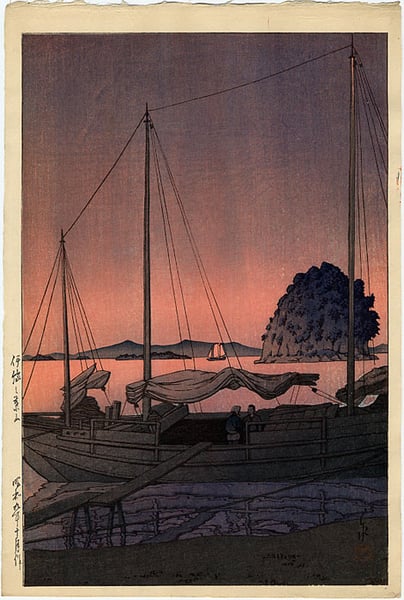
Expert Analysis of Hayama, Iyo by Hasui Kawase
Hasui Kawase’s Hayama, Iyo is a masterful example of the shin-hanga (“new prints”) movement, which revived and modernized the ukiyo-e tradition in early 20th-century Japan. As a landscape print, it embodies the movement’s core mission: to fuse traditional woodblock craftsmanship with Western artistic principles—particularly a naturalistic treatment of light, atmosphere, and perspective—while preserving the serene, lyrical quality of classical Japanese scenery.
Significance within Shin-hanga and Period Context
-
Atmospheric Realism – Hasui was renowned for his ability to capture transient weather and times of day. In Hayama, Iyo, likely depicting a coastal or rural scene in Iyo Province (modern Ehime), he would have used subtle gradations of color and tone—achieved through meticulous bokashi (shading) techniques—to evoke a specific mood, perhaps a quiet evening or misty morning. This emphasis on kūki (air and atmosphere) distinguishes shin-hanga from earlier ukiyo-e, which often relied on bold outlines and flat color.
-
Collaboration with Watanabe Shōzaburō – As a leading artist for publisher Watanabe, Hasui worked within a system of skilled carvers and printers who translated his watercolor-like sketches into woodcuts. The print’s refined color palette and delicate line work reflect the high technical standards of shin-hanga, which sought to elevate Japanese printmaking to fine art at a time when photography and Western mass printing threatened traditional methods.
-
Hybrid of East and West – The composition likely employs a Western-influenced perspective (e.g., a low vantage point or receding path) while retaining Japanese decorative elements such as asymmetrical balance and flattened planes. This synthesis was critical to shin-hanga’s identity: it appealed both to Japanese audiences nostalgic for old Japan and to Western collectors eager for “authentic” yet modern imagery.
-
Documentary and Elegiac Tone – Many of Hasui’s landscapes depict sites undergoing rapid modernization (railways, Western buildings) or vanishing rural beauty. Hayama, Iyo may subtly record a place before change erases its traditional character, making the print both a visual meditation and a quiet historical document. This poetic nostalgia is a hallmark of Hasui’s work and of shin-hanga’s broader engagement with furusato (hometown) sentiment.
In summary, Hayama, Iyo is significant not only as a technically exquisite landscape but as a emblem of shin-hanga’s successful reconciliation of tradition and modernity. Hasui’s ability to infuse a woodblock print with the soft luminosity of a watercolor, while retaining the woodgrain texture and handcrafted intimacy of ukiyo-e, ensures this work remains a touchstone for the movement’s artistic and cultural ambitions.
Visuell ähnlich
20 Werke mit ähnlicher Komposition und Farbpalette
First Cuckoo of the Year at Tsukudajima
Hiroshige
4. Tsukudajima and Eitai Bridge
Hiroshige
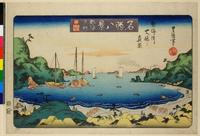
View of Oshima from Atami beach
Utagawa Toyokuni II
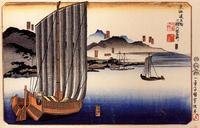
Sailing boat
Utagawa Kuniyoshi
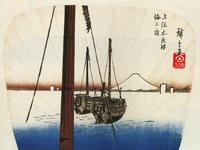
Mount Fuji seen across the water
Hiroshige

Children at the Seaside
Hasui Kawase
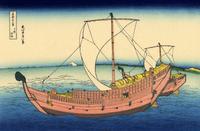
The Kazusa sea route
Katsushika Hokusai

Junks in Inatori Bay
Shotei Takahashi
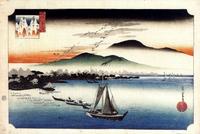
Descending Geese, Katata
Hiroshige
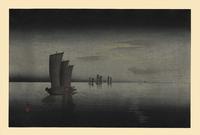
Twilight
Ohara Koson
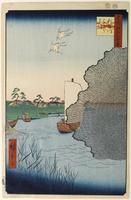
71 (61) Scattered Pines on the Tone River
Hiroshige
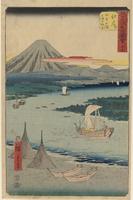
Folio From the Upright Gojusan Tsuji Tokaido
Hiroshige
83. Shinagawa Susaki
Hiroshige
57 (67) Mitsumata Wakarenofuchi
Hiroshige
A shrine among trees on a moor
Hiroshige
78 Teppōzu and Tsukiji Monzeki Temple
Hiroshige
Returning Sails at Shiba Bay
Keisai Eisen
Glittering Sea
Hiroshi Yoshida
Ferryman
Utagawa Kuniyoshi
Mount Fuji
Ohara Koson