Analisi esperta di The Angular Stone di Marin Gherasim
Stile: Byzantine, Expressionism · Genere: symbolic painting
Expert Analysis: "The Angular Stone" by Marin Gherasim
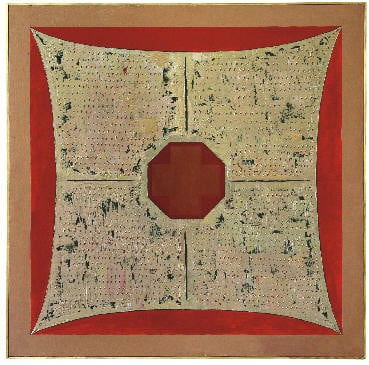
Marin Gherasim’s The Angular Stone stands as a compelling synthesis of two seemingly disparate traditions—Byzantine iconography and Expressionist intensity—within the genre of symbolic painting. Its significance lies in how it reimagines the sacred, formal language of Eastern Orthodox art through the emotional and gestural lens of 20th-century Expressionism.
The title alludes to the biblical metaphor of the rejected “cornerstone” (Psalm 118:22, echoed in the New Testament), which in Christian theology symbolizes Christ as the foundation of faith. In Gherasim’s hands, this concept is translated into a visual paradox: the “angular” quality suggests a geometric, almost fractured form, reminiscent of the rigid, hieratic figures found in Byzantine mosaics and icons. Yet the Expressionist mode infuses this rigid structure with raw, subjective emotion—the stone is not merely a symbol of stability but also of tension, brokenness, and spiritual struggle.
What makes the work significant within its stylistic context is its deliberate blending of the timeless, liturgical stillness of Byzantine art with the modern, tortured expressiveness of Expressionist painting. Gherasim uses the symbolic genre not to illustrate a doctrine but to provoke a visceral response, turning the cornerstone into an emblem of existential doubt and faith alike. The angularity disrupts the iconic harmony, while the painterly surface—likely characterized by thick impasto or dramatic contrasts—grounds the work in the physical act of creation. In doing so, The Angular Stone bridges the gap between medieval sacral art and contemporary spiritual inquiry, affirming Gherasim’s role in redefining Romanian modernism through a unique, historically rooted vocabulary.
Visivamente simili
20 opere con composizione e palette affini
Painting - Gold and Blue (Sertão Carioca)
Lygia Pape
Rocor
Robert Huot
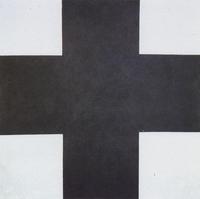
Black Cross
Kazimir Malevich
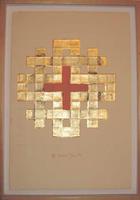
Sign and Light (A)
Silviu Oravitzan
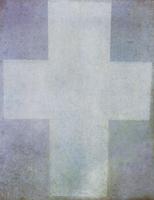
The White Cross
Kazimir Malevich
Volcanic Rocks B
Hiroyuki Tajima
Untitled (Summer)
Howard Mehring
Painting - Gold and Brown
Lygia Pape
Numbers Chronos
Oleksandr Aksinin
Labyrinth 1
Silviu Oravitzan
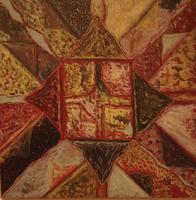
Prapor
Horia Bernea
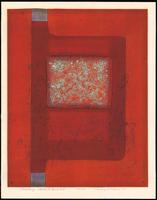
Dialogue With Red (B)
Hiroyuki Tajima
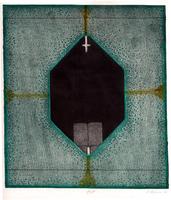
St. Benedykt
Oleksandr Aksinin
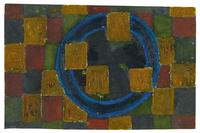
Kreise und Quadrate
Johannes Itten
Spectators
Leon Ferrari
Composition
Gosta Adrian-Nilsson
Nontitle 2
Hiroyuki Tajima
Blue Moon
Kenneth Noland
Design of the First Pavilion of the USSR for All Union Agricultural Exhibition
Vasyl Yermylov
Suprematism
Kazimir Malevich