
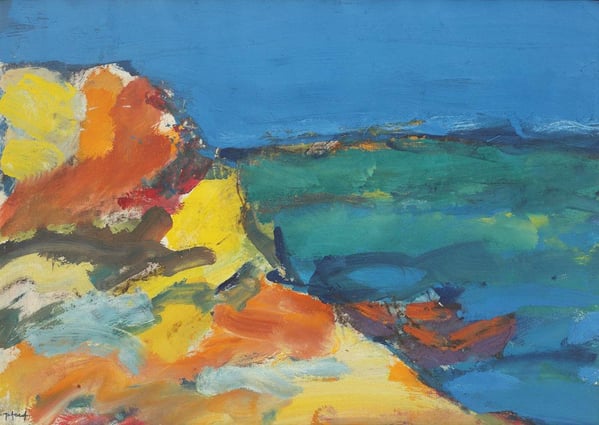
Analyse experte de Marina de Ion Pacea
Style : Expressionism · Genre : marina
Analysis of Ion Pacea’s "Marina" (Expressionism, genre: marina)
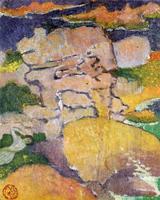
Based on the available information—that the work is an Expressionist marina by Romanian artist Ion Pacea—its significance lies in the artist’s integration of a traditional seascape genre with the emotionally charged, subjective language of Expressionism.
1. Expressionist Transformation of the Marina Genre
Unlike the calm, atmospheric realism often seen in 19th-century marinas, Pacea’s "Marina" likely deploys expressive color, distorted forms, and dynamic brushwork to convey the inner emotional state of the scene rather than a literal depiction of water and sky. The sea becomes a vehicle for psychological intensity—turbulent, luminous, or melancholic—reflecting the artist’s personal response to nature. This aligns with Expressionism’s core goal: to prioritize feeling over observation.
2. Significance Within Romanian Modernism
Ion Pacea (1924–2004) was a key figure in postwar Romanian painting, bridging tradition and modernity. His commitment to Expressionism—especially in a landscape/marina context—stands out because much of Romanian interwar and postwar art leaned toward either folk-inspired primitivism or socialist realism. By choosing the marina (a genre often associated with placid Romanticism or Impressionism) and imbuing it with Expressionist energy, Pacea demonstrated how a universal style could be adapted to express local, personal sensibilities. His marinas are not just studies of the Black Sea coast but introspective meditations on light, space, and solitude.
3. Key Expressionist Elements (inferred from style and genre)
- Color: Likely non-naturalistic—deep blues, turbulent greens, or fiery oranges—employed to evoke mood (e.g., tension, awe, or isolation).
- Composition: Possibly tilted horizons or cropped waves to destabilize the viewer’s perspective, emphasizing the sea’s raw power.
- Brushwork: Visible, energetic strokes that register the artist’s physical gesture, making the painting an emotional artifact as much as a depiction.
Conclusion
“Marina” is significant as a synthesis of genre convention and avant-garde emotionalism. It expands the expressive potential of the seascape within Romanian modernism, proving that even a quiet coastal subject can become a stage for psychological depth when filtered through an Expressionist lens. Pacea’s work thus occupies a vital position: respecting the tradition of the marina while radically reimagining it through subjective, painterly intensity.
Visuellement similaire
20 œuvres à la composition et à la palette proches
La tarmul marii
Ion Pacea
Marina
Ion Pacea
Before the Storm
George Stefanescu
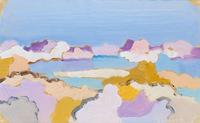
Untitled
Charles Lapicque
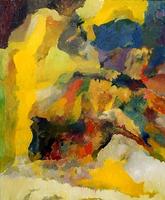
Komposition abfallend
Bernard Schultze
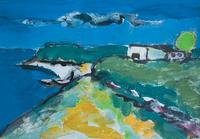
Casă la malul mării
Ion Pacea
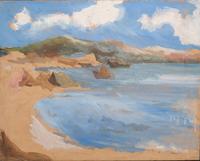
Marine
Paolo Salvati
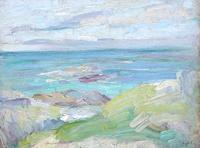
Iona Study
Samuel Peploe
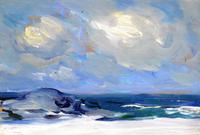
Barra
Samuel Peploe
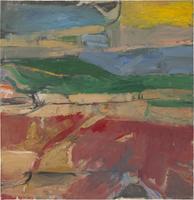
Berkeley #32
Richard Diebenkorn
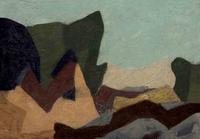
Paysage
Roger Bissière
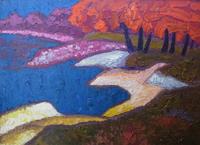
Sandy waterside at Baja
Endre Bartos
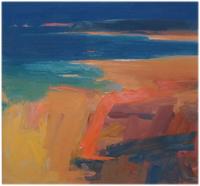
Godrevy Lighthouse
John Miller
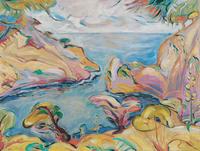
Calanque du Mugel à la Ciotat
Othon Friesz
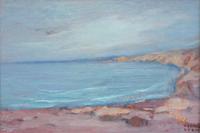
Biarritz
Kimon Loghi
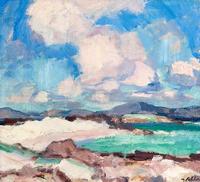
Clouds and Sky, Iona
Samuel Peploe
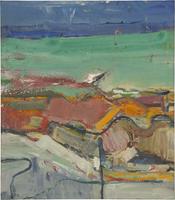
Berkeley
Richard Diebenkorn
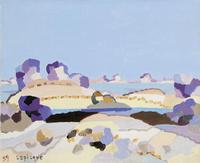
Lagune bretonne
Charles Lapicque
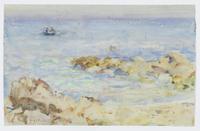
Rowing off the coast
Henry Scott Tuke
Rocks at Pouldu
Maurice Denis