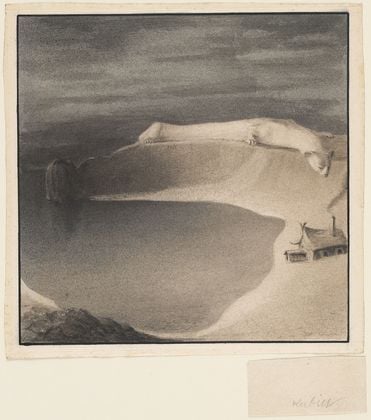
Expert analysis of Alfred Kubin’s Polar Bear (Eisbär)
Style: Symbolism · Genre: symbolic painting
Alfred Kubin’s Polar Bear (Eisbär) is a compelling example of Symbolist painting, a movement that prioritized subjective emotion, dreamlike imagery, and metaphysical suggestion over literal representation. As a symbolic painting, the work transcends mere animal portraiture; the polar bear becomes an evocative emblem, likely embodying themes of isolation, primal power, or the sublime terror of untamed nature—common preoccupations in Kubin’s often dark, fantastical oeuvre. Kubin, a key figure in early 20th-century Symbolism and later associated with the Blue Rider group, channeled his own anxieties and visionary experiences into his art. In this piece, the stark, spectral quality of the bear against a likely barren, icy backdrop would emphasize a haunting alienation, reflecting the Symbolist fascination with psychological states and the border between the real and the imagined. The work’s significance lies in how it transforms a natural creature into a cipher for existential unease, marking Kubin’s contribution to a movement that rejected realism in favor of the symbolic power of the mind.
Visually similar
20 works with related composition and palette
Riders on the Seashore
Tivadar Kosztka Csontvary
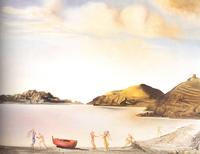
Port Lligat at Sunset
Salvador Dali

Night rider
Nicholas Roerich
Coastal Defences
Eric Ravilious
Loneliness
Salvador Dali
Industrielandschaft
Franz Sedlacek
The Dream Approaches
Salvador Dali
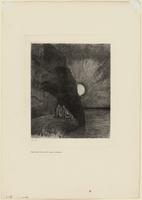
Ceaselessly by my side the demon stirs
Odilon Redon
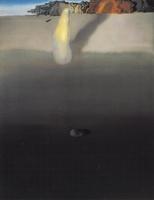
On the Seashore
Salvador Dali
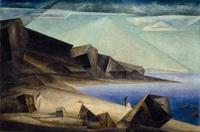
The High Shore
Lyonel Feininger
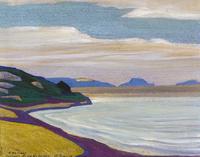
Grand vista over a coastal landscape
Nicholas Roerich
Monhegan (Shining of night)
Nicholas Roerich
Mountain Lake
Salvador Dali

Monhegan Island, Maine
Robert Henri
The Return
Sabin Balasa
Serenity
Mikalojus Konstantinas Ciurlionis
Egry József, Toarmina 1930
Egry József
Green Sea
Milton Avery
Silence
Sabin Balasa
Aulia-Tau
Taras Shevchenko