Irma Stern の Arab の専門的な分析
スタイル:Post-Impressionism · ジャンル:portrait
Expert Analysis of "Arab" by Irma Stern
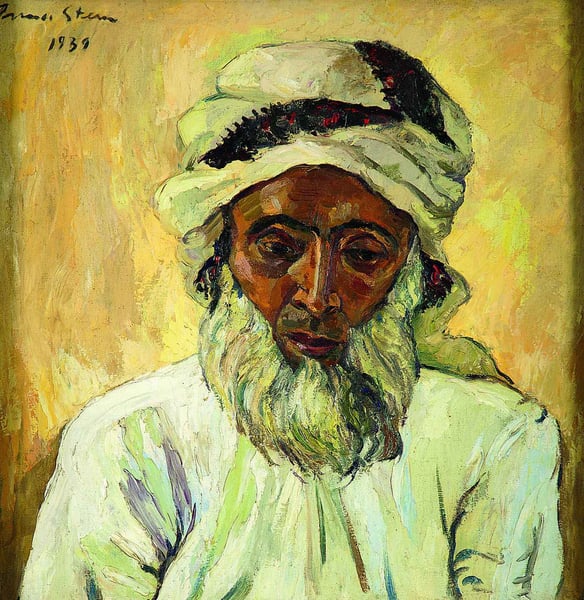
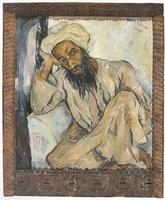
Irma Stern’s Arab stands as a compelling example of Post-Impressionist portraiture that transcends mere likeness to become a study of character, cultural encounter, and artistic liberation. Painted during the early 20th century, the work reflects Stern’s signature approach: vigorous, expressive brushwork; a heightened, often non-naturalistic color palette; and a profound empathy for her subjects.
Significance within Post-Impressionism
Stern, a South African artist trained in Weimar Germany, synthesized the lessons of European Post-Impressionism—particularly the emotional intensity of Van Gogh and the sculptural form of Gauguin—with her own encounters in southern Africa and the Middle East. In Arab, the figure is built not through smooth transitions but through bold, directional strokes that model the face and fabric, lending a sense of physical presence and psychological immediacy. The colors are intensified beyond local truth: deep indigos, warm ochres, and stark whites create a luminous, almost iconic quality that elevates the sitter beyond individual portrait into a symbol of dignity and resilience.
Significance in Genre and Cultural Context
The title “Arab” places the work within Stern’s broader exploration of non-European subjects, a theme she pursued with respect and curiosity rather than exotic cliché. At a time when Western art often reduced Middle Eastern and African figures to picturesque “types,” Stern insisted on individuality: the man’s direct gaze, the subtle asymmetry of his features, and the careful rendering of his clothing all resist generalization. This makes Arab a significant counter-narrative to Orientalist traditions—a portrait that grants the sitter agency and presence, while still employing the heightened visual language of Post-Impressionism.
Technical Distinction
Stern’s handling of paint is particularly noteworthy: the turban is a medley of impasto whites and blues, the skin tones layered in rosy earths and cool shadows, and the background a flat, almost abstract field of deep red or green that forces the figure forward. This tension between descriptive detail and painterly abbreviation places Arab firmly within the Post-Impressionist commitment to conveying subjective emotion through color and form.
Overall
Arab is significant not only as a masterful portrait within Irma Stern’s oeuvre but as a work that redefines the possibilities of Post-Impressionism: it is at once intimate and monumental, culturally specific yet universally human, and a testament to the artist’s belief that art could bridge worlds without erasing difference.
視覚的に類似
構図やパレットが近い作品 20 件
The Baluch
Morteza Katouzian
Turk
Constantin Artachino
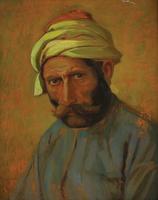
Turk
Constantin Artachino
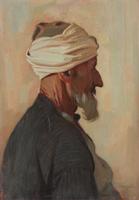
Turk Bargainer
Constantin Artachino
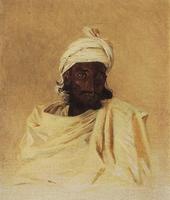
Bhil
Vasily Vereshchagin
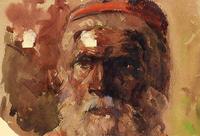
Portrait
Safiuddin Ahmed
Fellah
Ivan Bilibin
Arab Boy
Konstantin Makovsky
Arab Priest
Irma Stern
Portrait
Konstantin Makovsky
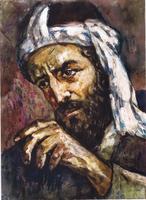
Portrait
Mahmud Taghiyev
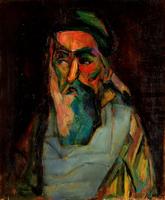
Old Jew
Alexander Bogen
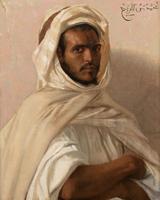
Portrait of a North African
Alexandre Cabanel
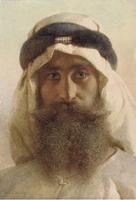
Hassan Ben Moosa, a bedowee of the Howareen Tribe
Carl Haag
Black Man
Konstantinos Maleas
Parsi priest (fire-worshiper). Bombay
Vasily Vereshchagin
Moslem Servant
Vasily Vereshchagin
Untitled
Mahmoud Saiid
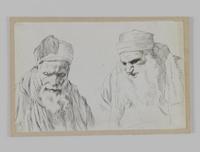
Type of Jew
James Tissot
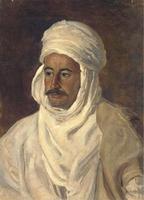
Portrait of Ahmed es Seghir called Baba Ahmed
Nasreddine Dinet