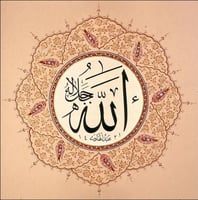
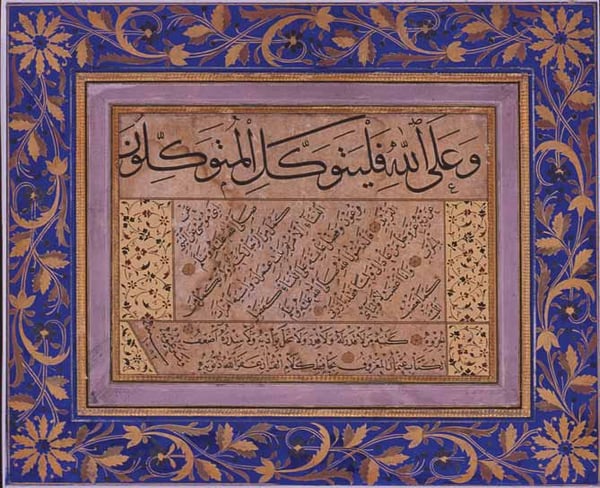
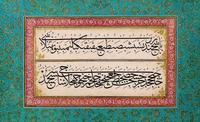
Calligraphic Writing in Sulus and Nesih scripts
Analisi esperta di Calligraphic Writing in Sulus and Nesih scripts di Hafiz Osman
Stile: Ottoman Period · Genere: calligraphy
Expert Analysis of "Calligraphic Writing in Sulus and Nesih scripts" by Hafiz Osman
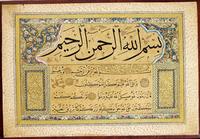
This work is a masterful example of Ottoman-period calligraphy, a genre elevated to the highest form of Islamic visual art. Its significance lies in both the artist and the scripts employed.
Artist’s Renown: Hafiz Osman (1642–1698) is celebrated as one of the greatest Ottoman calligraphers, often credited with reviving and refining classical nesih script. His work set the standard for Ottoman calligraphy for centuries, making any piece attributed to him—particularly one combining two major scripts—a landmark of the tradition.
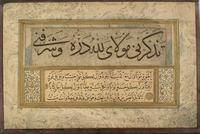
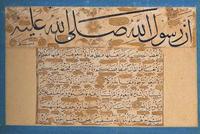
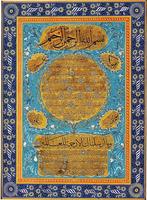
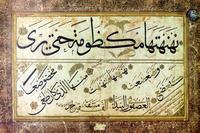
Scripts and Their Meaning: The piece features sulus (also thuluth) and nesih scripts. Sulus is a majestic, monumental script with sweeping curves, often used for Quranic chapter headings and architectural inscriptions. Nesih is a smaller, more fluid cursive used for copying the Quran and everyday texts. By pairing them, Hafiz Osman demonstrates his technical virtuosity and the hierarchical beauty of Ottoman calligraphy: the bold, stately sulus often introduces a verse or heading, while the delicate, readable nesih carries the main text. This juxtaposition creates a visual rhythm and emphasizes the spiritual importance of the written word.
Significance within the Ottoman Period: This artwork exemplifies the Ottoman devotion to hatt (calligraphy) as a sacred practice. During the Ottoman era, calligraphy was not merely writing but a path to divine beauty. Hafiz Osman’s refined execution—the precise proportion of letters, the balance between thick and thin strokes, and the harmonious spacing—reflects the rigorous discipline of the imperial scriptorium. The piece is a testament to the period’s emphasis on clarity, spirituality, and aesthetic perfection, making it a seminal work that influenced generations of calligraphers and secured the Ottoman legacy in Islamic art.
Genere
Stile
Visivamente simili
20 opere con composizione e palette affini
Untitled
Hafiz Osman
Kıta
Sheikh Hamdullah
Kıta
Sheikh Hamdullah
Page of Ottoman Calligraphy
Sheikh Hamdullah
Kıta
Sheikh Hamdullah
Untitled
Hafiz Osman
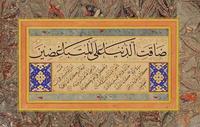
Calligraphy
Necmeddin Okyay
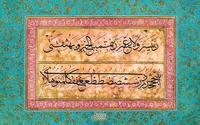
Muttasıl Müfredat
Mustafa Rakim
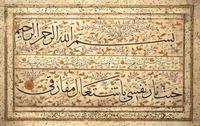
Kıta-
Sheikh Hamdullah
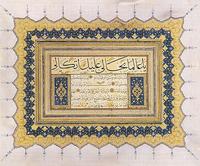
Sülüs Nesih Kıt`a
Hafiz Osman
Untitled
Sheikh Hamdullah
Hadith
Sheikh Hamdullah
Hilye
Hafiz Osman
Untitled
Ahmed Karahisari
Murakka (calligraphic album)
Hafiz Osman
Kıta - Hadis-i Şerîfler
Mustafa Rakim
Page of Ottoman Calligraphy
Sheikh Hamdullah
Levha - Hadis-i Şerîf
Sheikh Hamdullah
Muttasıl Müfredat
Mustafa Rakim
Khamseh
Mir Ali Tabrizi