Analisi esperta di The Elders di Walter Darby Bannard
Stile: Minimalism · Genere: abstract
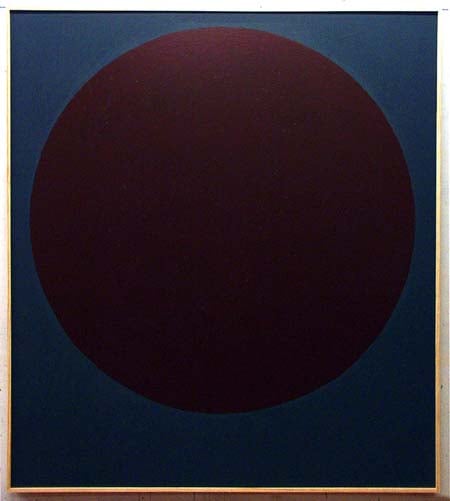
Walter Darby Bannard’s “The Elders” (Minimalism, abstract) exemplifies the movement’s core drive toward reduction and essential form. Within Minimalism—a style that emerged in the 1960s as a reaction against Abstract Expressionism’s emotionalism and painterly gesture—this work is significant for its disciplined restraint. The title suggests a nod to tradition or foundational principles, yet the piece itself likely strips away narrative, illusion, and personal expression, leaving only pure shape, color, and material presence. As an abstract Minimalist composition, “The Elders” commands attention through its precise geometry, flatness, and repetition—characteristics that force the viewer to focus on the artwork’s physical and optical facts rather than symbolic meaning. Its significance lies in how it embodies Minimalism’s central ambition: to create an object that exists simply, honestly, as itself, without reference beyond its own surface and structure.
Visivamente simili
20 opere con composizione e palette affini
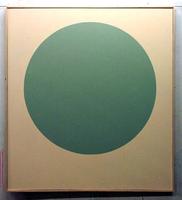
Greenstone
Walter Darby Bannard
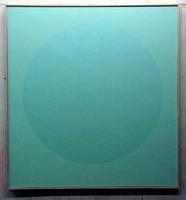
Aqua Same
Walter Darby Bannard
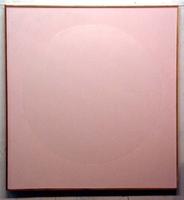
Camellia Same
Walter Darby Bannard
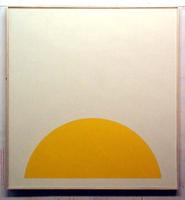
Yellow Rose #1
Walter Darby Bannard
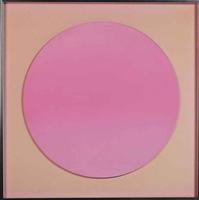
Untitled
Jef Verheyen

621/71
Rupprecht Geiger
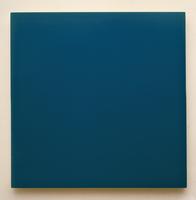
Enamel on Wood: Blue Green
Marcia Hafif
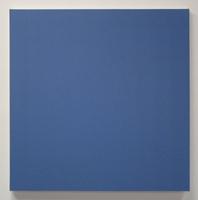
Painting #03-06
Rudolf de Crignis
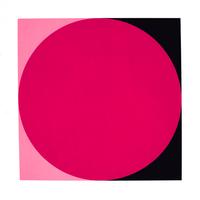
Figure Alteration
Mario Ballocco
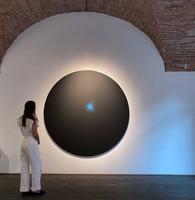
Mantra 59
Armen Agop
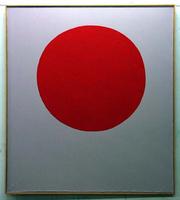
Hopewell Valley Sun
Walter Darby Bannard
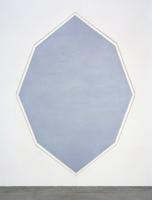
Untitled (Blue Octagon)
Mary Corse
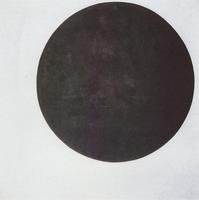
Black Circle
Kazimir Malevich
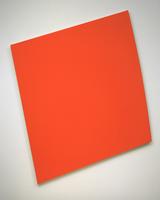
Red-Orange Panel with Curve
Ellsworth Kelly
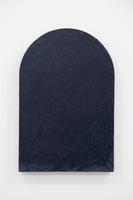
Untitled
Rodolfo Arico
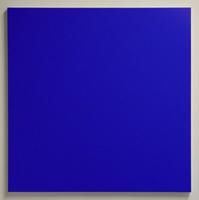
Painting #99-35
Rudolf de Crignis
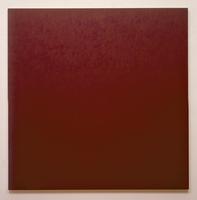
Red Painting: Paliogen Maroon
Marcia Hafif
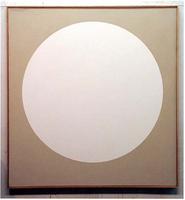
Baffin
Walter Darby Bannard

Chanakuh #3
Leon Berkowitz
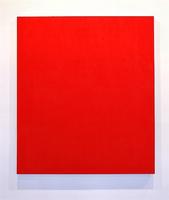
Untitled (Red)
Phil Sims